
The History of Pastel de Nata: A Portuguese Tradition
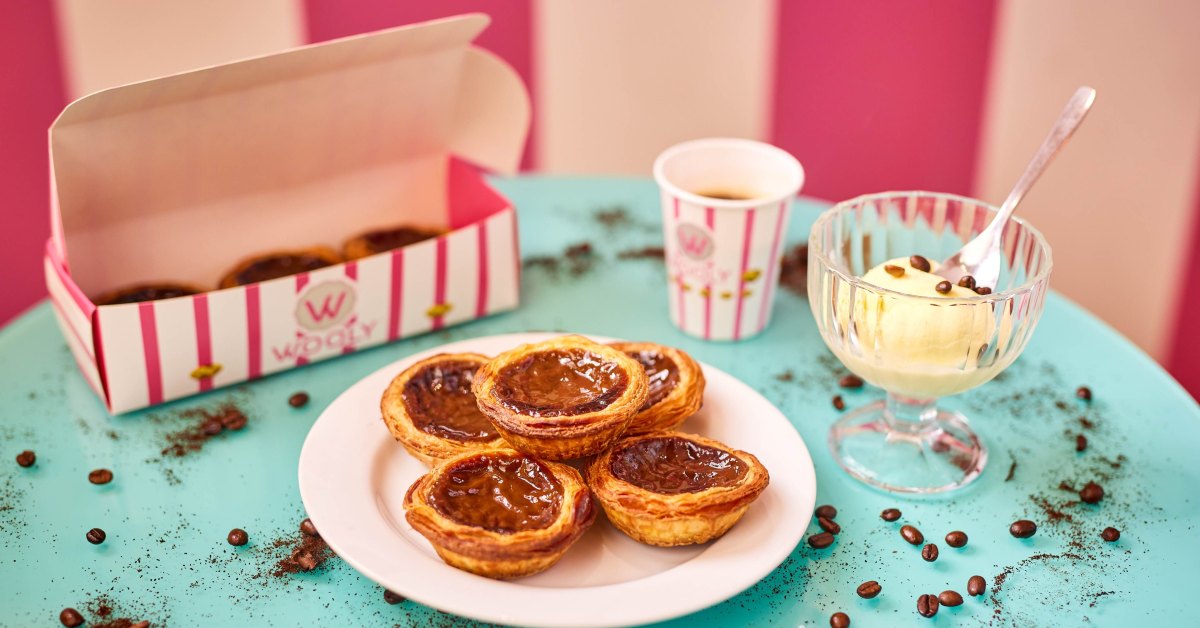
In short: The pastel de nata was born at the Hieronymites Monastery in Belém, near Lisbon. After the religious orders were dissolved in 1834, the recipe passed to Domingos Rafael Alves, who opened the Fábrica dos Pastéis de Belém in 1837, still open today. Everywhere else, the same tart is called pastel de nata.
Monastic Origins: Born in Belém
Born in the kitchens of the Mosteiro dos Jerónimos in Belém, the pastel de nata is far more than a pastry: it is a piece of heritage. In the 19th century, monks used egg whites to starch their religious garments, and the leftover yolks were turned into the silky custard that has made the whole of Portugal famous.
1837: The Birth of the Fábrica dos Pastéis de Belém
After the liberal revolution of 1820 and the closure of the Portuguese monasteries in 1834, the monks found themselves without income. They sold their secret recipe to a local merchant, Domingos Rafael Alves, who in 1837 founded the legendary Fábrica dos Pastéis de Belém, still in operation today in Lisbon. The original recipe remains jealously guarded there, passed on to only a few initiates.
The Pastel de Nata Conquers the World
Carried by the Portuguese diaspora, the pastel de nata left Lisbon to conquer Paris, London, and now Brussels. Its popularity keeps growing: it is regularly cited among the world's best pastries by international culinary guides.
A Jealously Guarded Secret
Since 1837, the exact recipe of the Fábrica dos Pastéis de Belém has never been made public. Only a handful of master pastry chefs, known as the "masters of the secret", know the exact proportions and the precise lamination technique. They work in a room separated from the rest of the workshop, hidden from view, a practice that continues to this day in Belém. This scarcity of genuine know-how explains why so few pastry shops in the world manage to faithfully reproduce the very particular contrast between a crackling puff pastry and a melting custard lightly caramelised on top.
A Tradition That Travels with the Portuguese Diaspora
Throughout the 20th century, Portuguese emigration carried the pastel de nata far beyond the country's borders: to France, Belgium, Luxembourg, wherever Portuguese communities settled. In Brussels, the community settled in Saint-Gilles, then in Ixelles, around Place Flagey, and artisanal Portuguese pastry is now part of daily life there, passed down from generation to generation, shop after shop.
Frequently Asked Questions About the Pastel de Nata
Where does the pastel de nata come from?
It was born in the 19th century in the Hieronymites Monastery, in Belém, a district of Lisbon.
What is the difference between pastel de nata and pastel de Belém?
"Pastel de Belém" refers to the version made according to the original secret recipe of the Fábrica dos Pastéis de Belém in Lisbon. "Pastel de nata" is the generic name used everywhere else, including at Wooly.
The Pastel de Nata at Wooly, Today
At Wooly, we carry on this tradition with house-made puff pastry worked with butter and a custard made from fresh egg yolks and whole milk, baked at high temperature to get the caramelised surface that is the signature of a true pastel de nata. At Wooly, batches come out of the oven several times a day in our shops, ready to be enjoyed warm.
Is it eaten hot or cold?
Traditionally warm, straight from the oven, with a touch of cinnamon or icing sugar: that is how it is served at Wooly, out of the oven several times a day in our shops.
Fancy an authentic pastel de nata in Brussels? Discover our shops in Brussels to taste one fresh every day.
Pastel de Belém vs Pastel de Nata: What Is the Difference?
It is the question everyone asks! Here is the truth:
The Pastel de Belém is the original, protected recipe, exclusive to the Belém shop. "Pastéis de Belém" is the protected name of that house. Its custard is prepared using a unique process, and its puff pastry is particularly fine.
The Pastel de Nata is the "free", universal version of this tradition. You will find it in every pastelaria in Portugal and in Portuguese pastry shops all over the world. The differences from the Pastel de Belém are subtle: the custard can be slightly sweeter, the pastry sometimes less fine, the caramelisation varies from one baker to another.
Neither one is "better": each has its devoted fans. What matters is the quality of the execution and the freshness of the product.
The Portuguese Convent Pastry Tradition
To understand the Pastel de Nata, you have to understand the doçaria conventual, the pastry of the Portuguese convents. This tradition, unique in the world, gave birth to an extraordinary repertoire of sweets, all marked by their richness in egg yolks, sugar and almonds.
Portugal has a great many convent pastry recipes, each linked to a region, a convent, a liturgical season. Among the most famous:
- Pastel de Tentúgal (Coimbra): very thin pastry stretched by hand, from the Carmelite nuns
- Queijadas de Sintra (Sintra): small fresh cheese tarts, from the Capuchins
- Barquinhos de Aveiro (Aveiro): little boats of egg pastry
- Toucinho do Céu (everywhere): almond and egg yolk cake
- Ovos Moles (Aveiro): egg cream shaped like shells or boats
How to Recognise an Excellent Pastel de Nata
Not all Pastéis de Nata are equal. Here are the marks of an exceptional pastel de nata:
The puff pastry: It should be ultra-thin, crisp and lightly caramelised on the edges. The layers should be distinct but not thick. Pastry that crumbles or is soft is the sign of a poor-quality pastel, or one that was reheated the wrong way.
The custard: Its texture should be silky, neither too firm nor too runny. It should wobble slightly when you shake the tart. The colour ranges from ivory to golden, with the characteristic brown caramelisation spots: these spots are not flaws, they are the signature of a well-baked pastel!
The baking temperature: A true Pastel de Nata is baked at 230-250°C for 10-12 minutes. This intense heat is what creates the magic: the puff pastry caramelises, the custard sets quickly and develops those characteristic, lightly roasted flavours.
Freshness: A Pastel de Nata is at its best straight from the oven, still warm. That is why at Wooly we bake them several times a day: never pastéis reheated from the day before.
How to Enjoy a Pastel de Nata the Portuguese Way
In Lisbon, the ritual is sacred: the pastel de nata is eaten warm, dusted with cinnamon and icing sugar, with a café (a short espresso) or a galão (milky coffee). People eat it standing at the counter of the pastelaria, in a few bites: no lingering, the next customer is waiting for your spot!
In Brussels, we recommend enjoying your pastéis warm or at room temperature, without reheating them, with a good espresso or a cinnamon tea. A lightly chilled glass of Vinho Verde as an aperitif is also a heavenly pairing.
Sources: Direção-Geral de Agricultura e Desenvolvimento Rural, “Pastéis de Belém”; Wikipédia (pt), “Pastel de nata”.
Read next
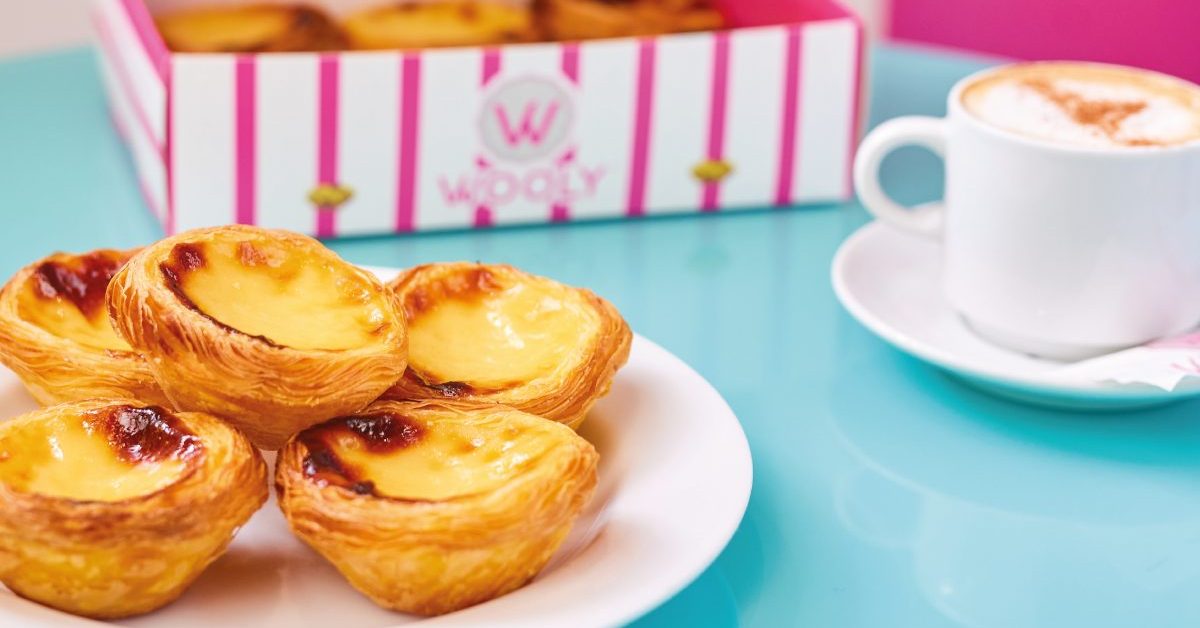
Pastel de Nata in Brussels: Our Wooly Shops
At Wooly, authentic Portuguese pastel de nata comes out of the oven several times a day in our 4 shops in Brussels and…
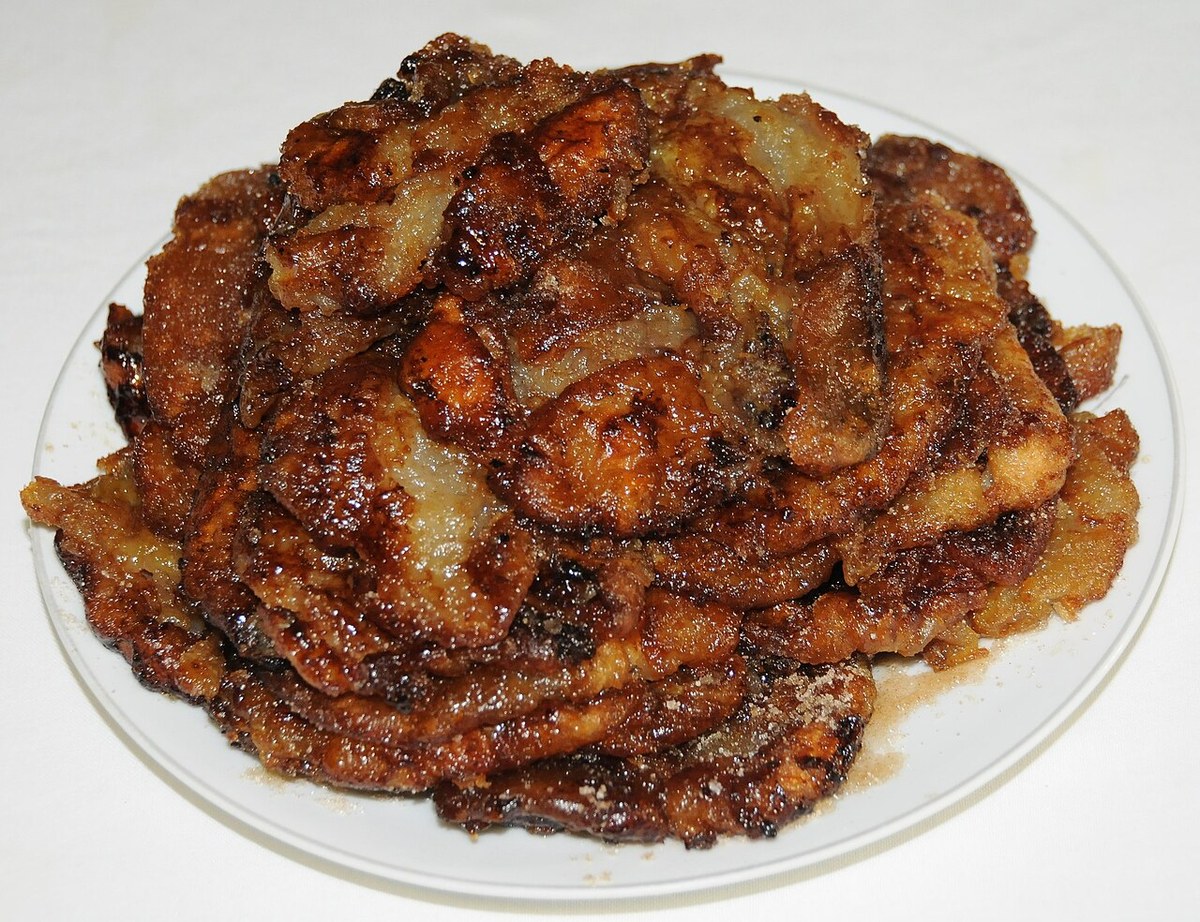
Rabanadas: the slice of bread Portugal served to new mothers
Day-old bread, milk, an egg, a pan. In Portugal the Christmas rabanada is also called fatia de parida: the slice for…
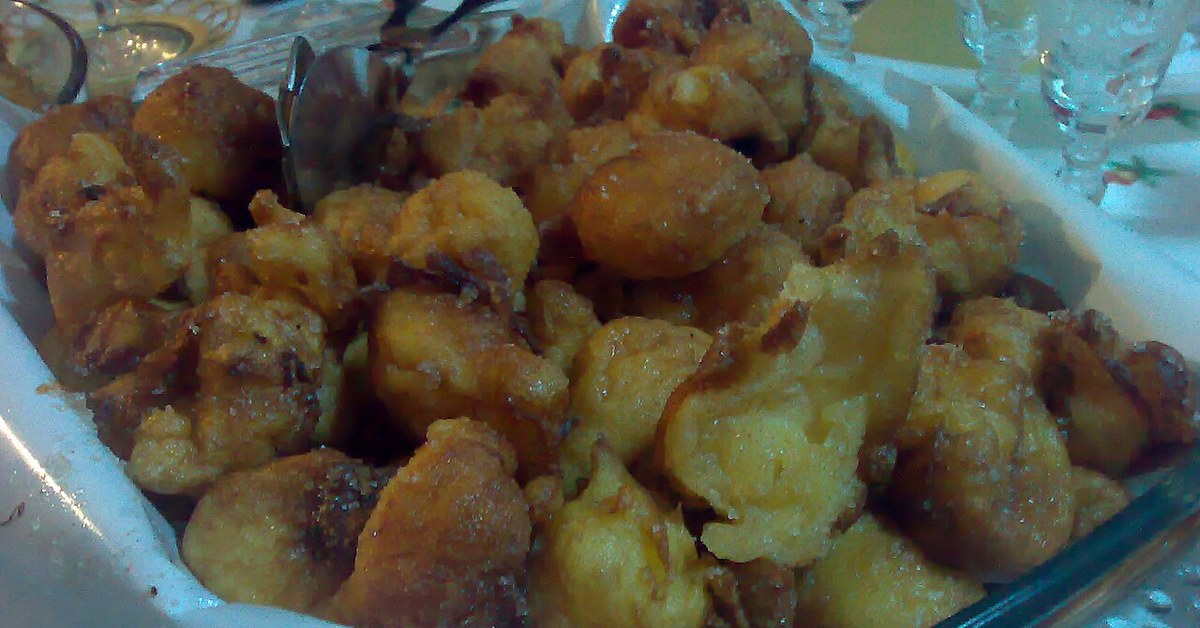
Filhós and sonhos: two fried balls, two doughs, one Portuguese Christmas
A golden ball dusted with cinnamon, picked up with your fingertips from the Christmas table. In Portugal it is a filhó…
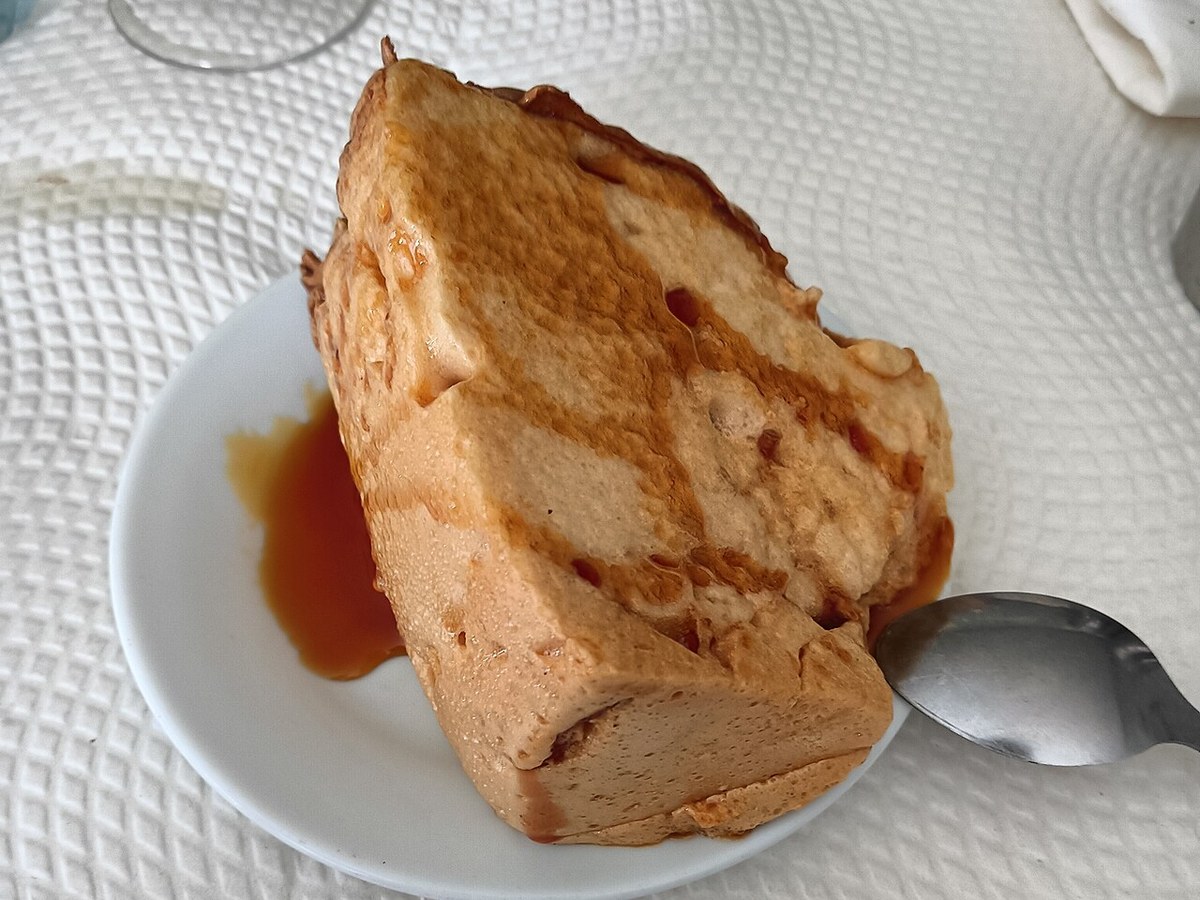
Pudim Molotof: the egg-white dessert named after a fortress
A cloud in a mould, caramel running down the sides, almost nothing under the spoon. Pudim Molotof has two stories: the…
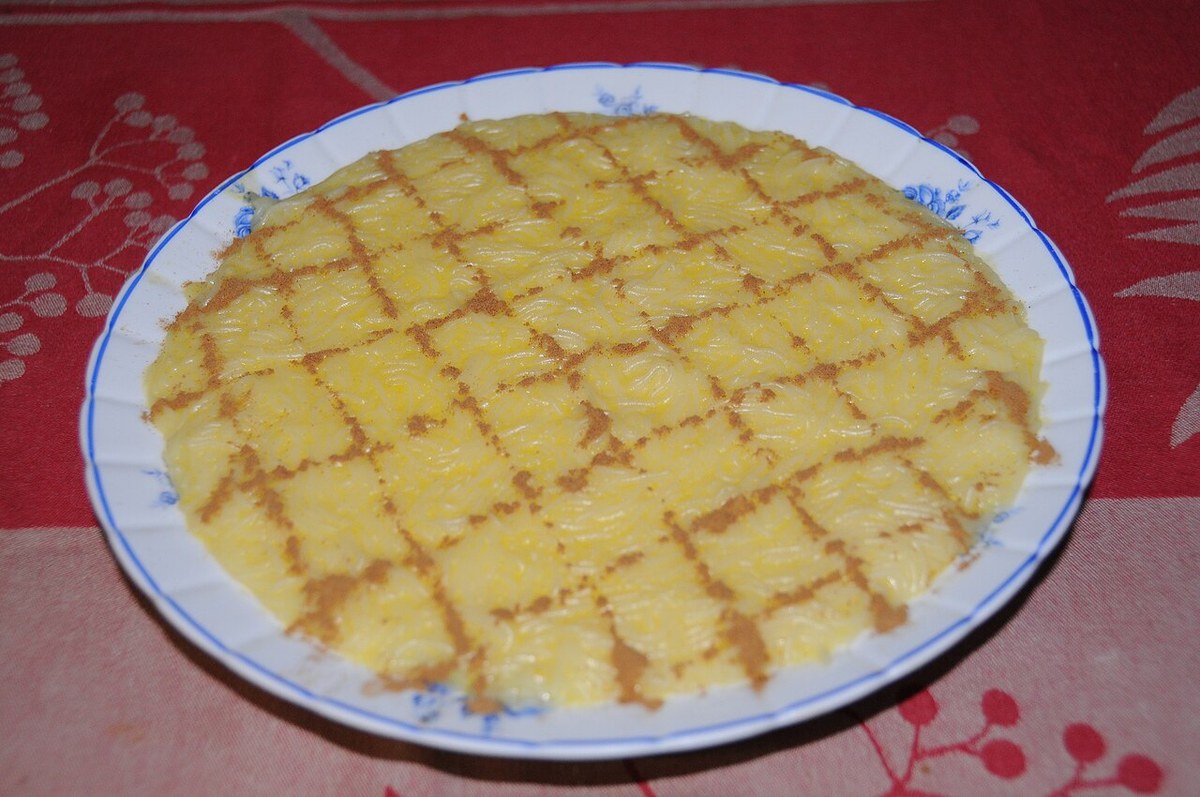
Aletria: the dough threads the Moors left on the Christmas table
First you look: cinnamon draws diamonds across a tender yellow. Aletria is made of dough threads that came from…
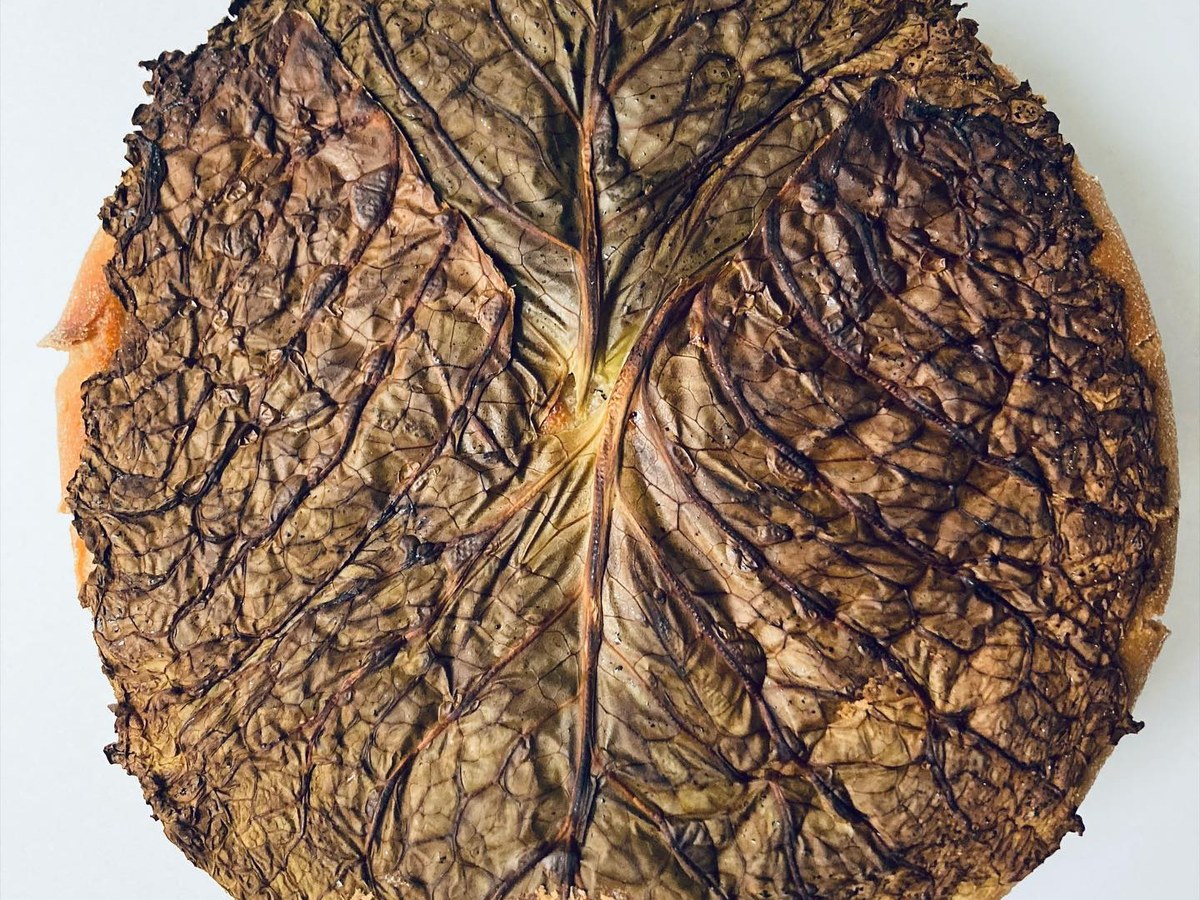
Broa de Avintes: the bread women rowed across the Douro to sell
It comes out of the oven dark, damp and almost crustless. Broa de Avintes, made of white corn and rye, once crossed the…
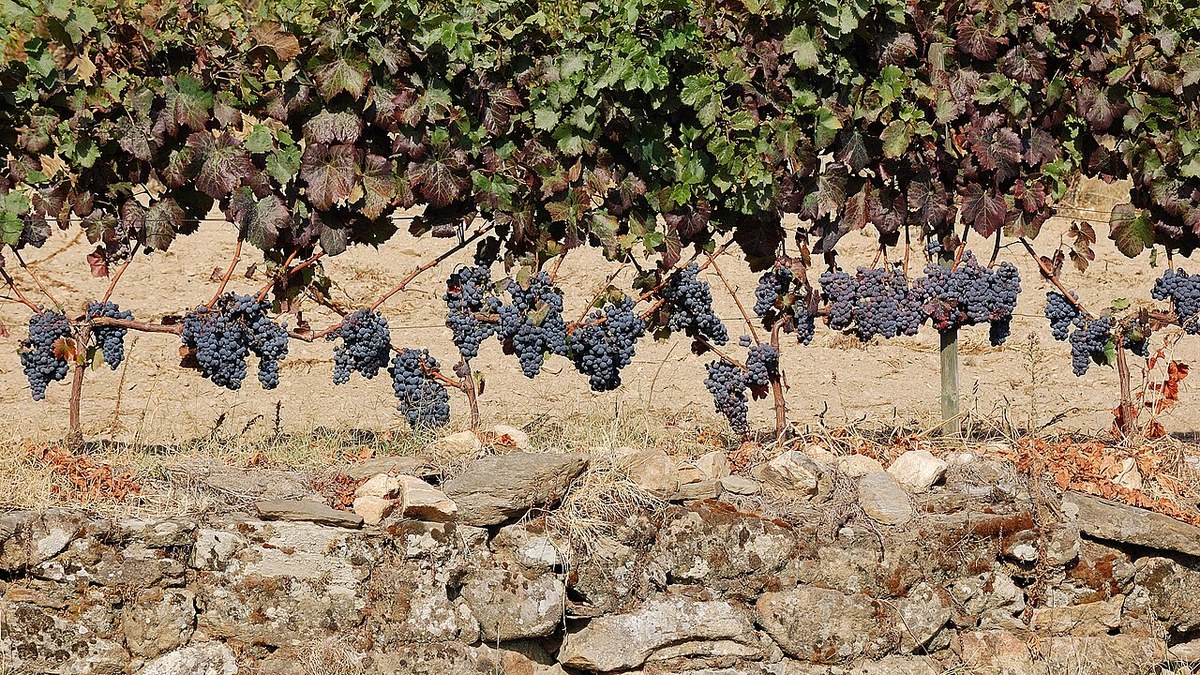
Água-pé: the water poured on the grape skins, served on St Martin's Day
It is poured into a plain glass, a hot chestnut in the other hand. Água-pé is the water poured on the grape skins after…
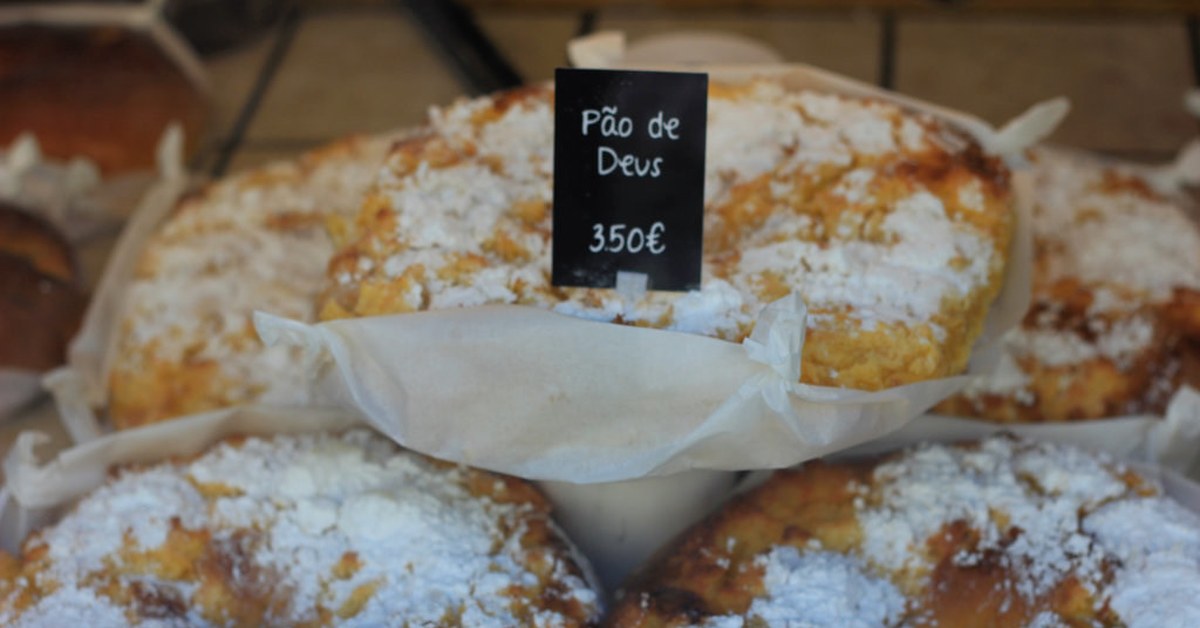
Pão por Deus: the Portuguese children who knock on doors on 1 November
A small cloth bag and a phrase called out at every door: on 1 November, Portuguese children ask for « Pão por Deus ».…
Find our artisan pastries in our Brussels stores or order online.
Order now Our foodtruck for your events Our stores