
Bolo de Arroz: The Little Cake Standing Between Lisbon and the Loss of Its Cafés
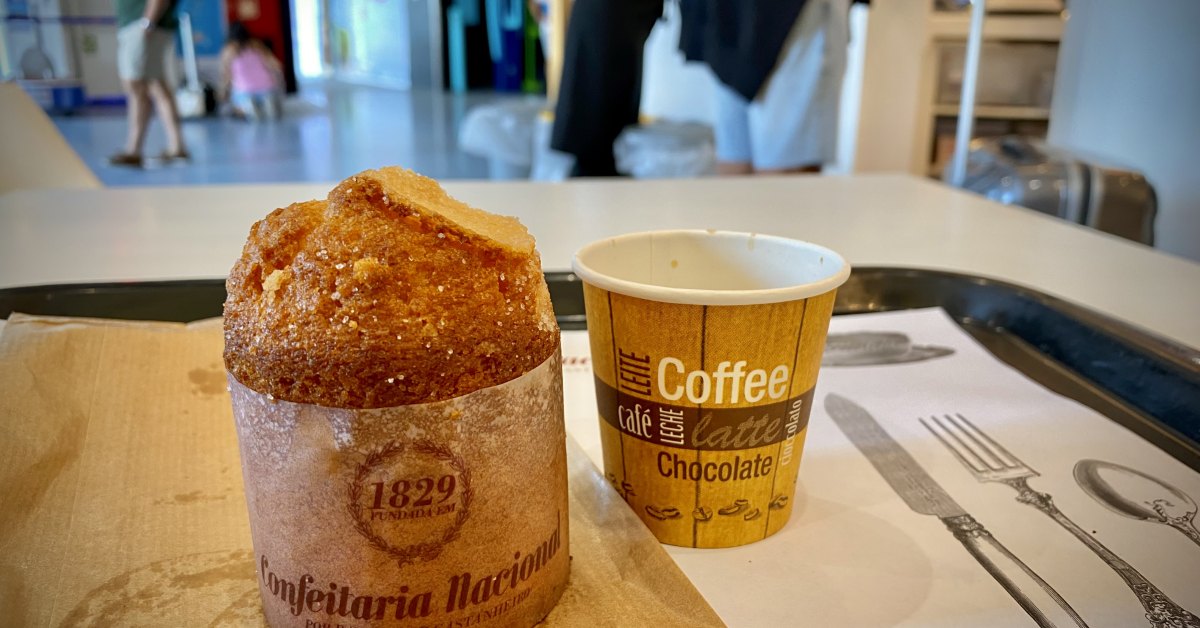
Standing at the counter, an espresso gone in three sips, a small golden cake in hand — that's the most ordinary, most stubborn image of Lisbon there is. The top cracked and dusted with sugar, the inside dense and slightly damp, a faint hit of lemon on every bite. It's the bolo de arroz — literally "rice cake" — and it needs no introduction. Ask for one by name in any pastelaria in the country, even knowing nothing about Portuguese pastry, and they'll know exactly what you mean.
This small rice-flour cake, somewhere between a muffin and a cupcake, was born in the pastry shops of Lisbon and Coimbra as an alternative to sweet bread. Its texture owes everything to the rice: soft, almost buttery, never dry, with that signature cracked dome that snaps under the teeth before giving way to a tender crumb. Historically, it's the most democratic cake in the country — you'll find it just as easily in a century-old confeitaria as in the most modest neighbourhood café.
And that neighbourhood café is exactly what's under threat right now. A group of Lisbon residents recently mapped the city's last traditional cafés still serving a real, house-made bolo de arroz, pushing back against a wave of closures replacing these spots with businesses better suited to tourist margins. The cake has become, almost by accident, a symbol of resistance: simple, popular, deeply rooted — the opposite of the sameness creeping into parts of the city centre. It's no longer just something you eat at the counter with a café pingado in hand. It's heritage, defended one bite at a time.
At Wooly, we're not claiming to save Lisbon from Brussels. But that idea — a plain, unshowy cake that brings people together rather than trying to impress them — speaks directly to what we're doing. Our counters are built the way Lisbon's are: a place to stop for five minutes, where faces get recognised, where pastry is never an event but a habit you hold onto. The bolo de arroz is a good reminder of why we opened our shops in the first place — not to dazzle, but to keep something genuinely Portuguese alive outside of Portugal.
Come find us in Uccle, Stockel, Etterbeek (Tongeren), or Waterloo — your coffee will be ready before you've finished picking today's pastry. And if a bolo de arroz ever shows up on our counter, you'll know exactly why it matters more than it looks.
Photo : Sharon Hahn Darlin — CC BY 2.0, via Wikimedia Commons
Read next
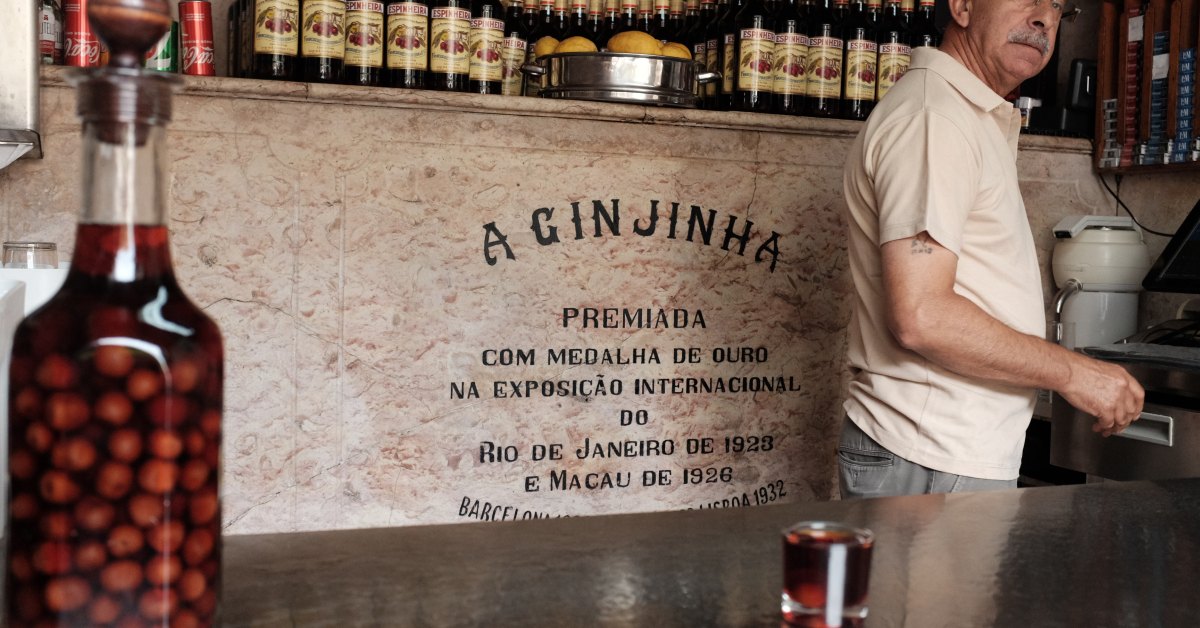
Ginjinha: The Tiny Cup That Sums Up Lisbon
The first time, someone hands you a plastic cup barely bigger than a thimble. You knock it back in one go, standing on…
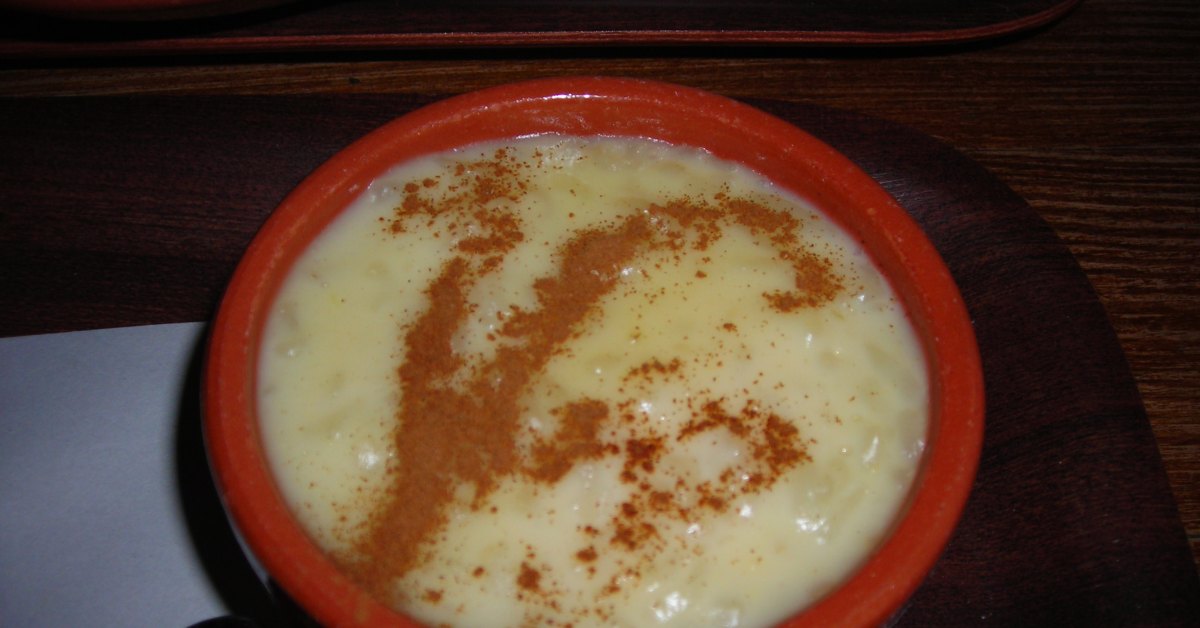
Arroz Doce: The Portuguese Rice Pudding That Ends Every Family Table
I still remember the first time someone handed me a bowl still faintly warm, with a fan of cinnamon traced across the…
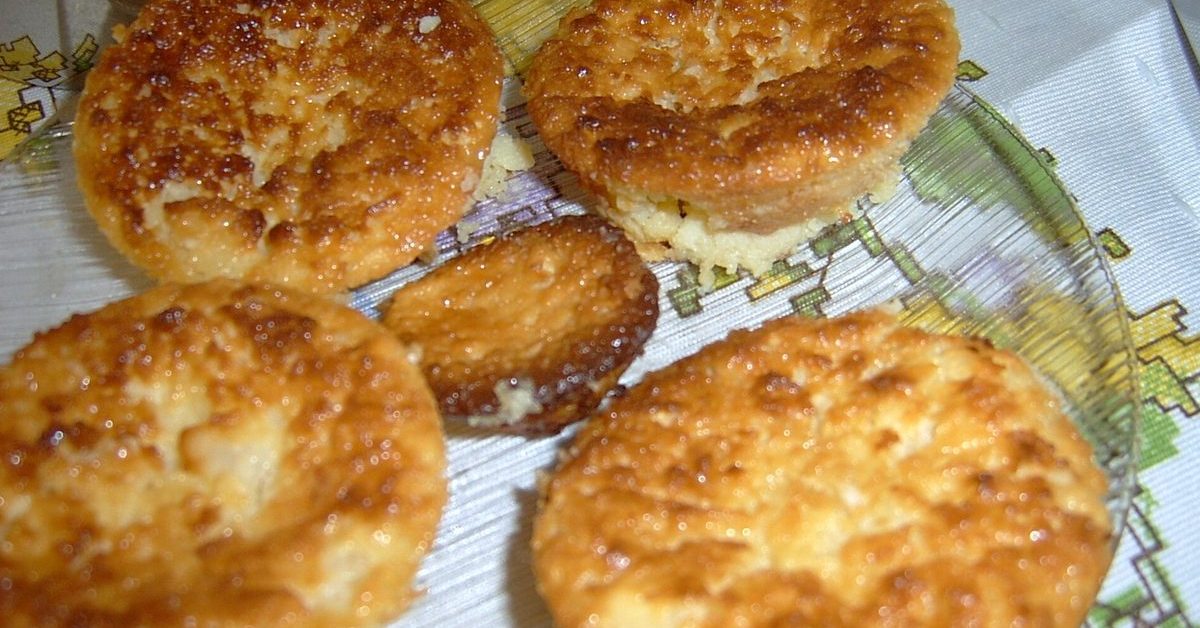
The Queijada de Sintra: the little cake people once used to pay their taxes
A crust that snaps the moment you bite into it, a warm filling of fresh cheese and cinnamon — the queijada de Sintra…
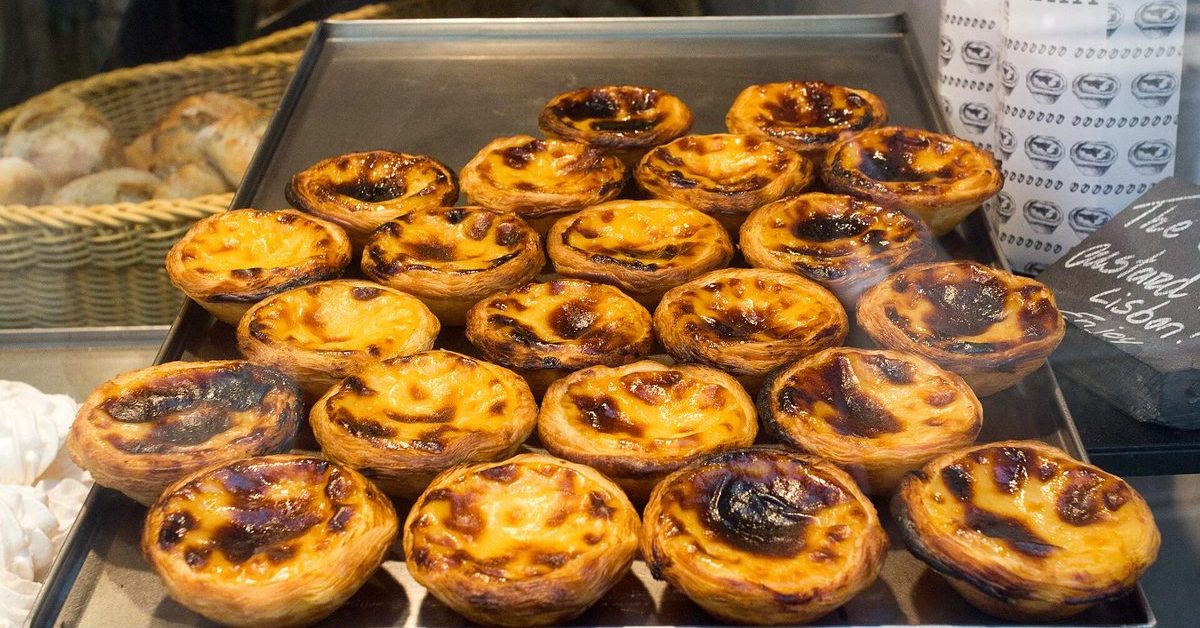
Pastel de Belém Just Won World's Best Pastry: Here's What That Means for Us
The first time someone told me a custard tart from a Lisbon monastery bakery was the best pastry on earth, I thought it…
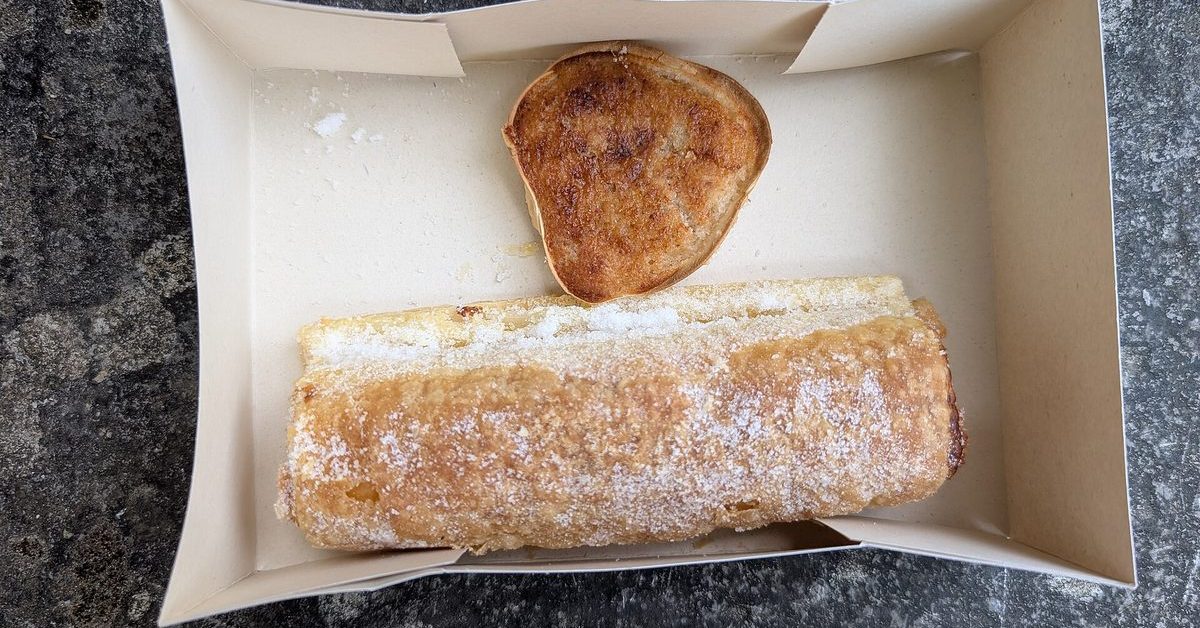
Travesseiro de Sintra: The Pillow Pastry That Conquered a Hillside Town
I still remember the first time someone handed me a travesseiro straight out of its paper wrapper — still warm, dusted…
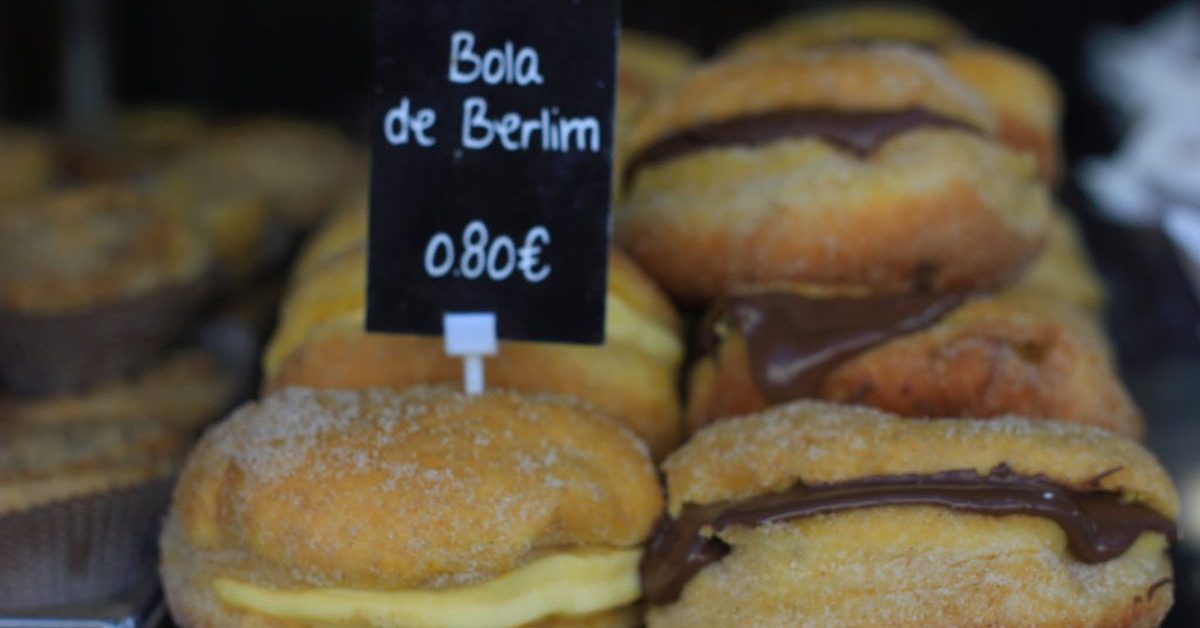
Bola de Berlim, the Pastry that Tastes Like Portuguese Summer
Flaky, golden, and generously filled with custard cream: the bola de berlim is the pastry that carries Portuguese…
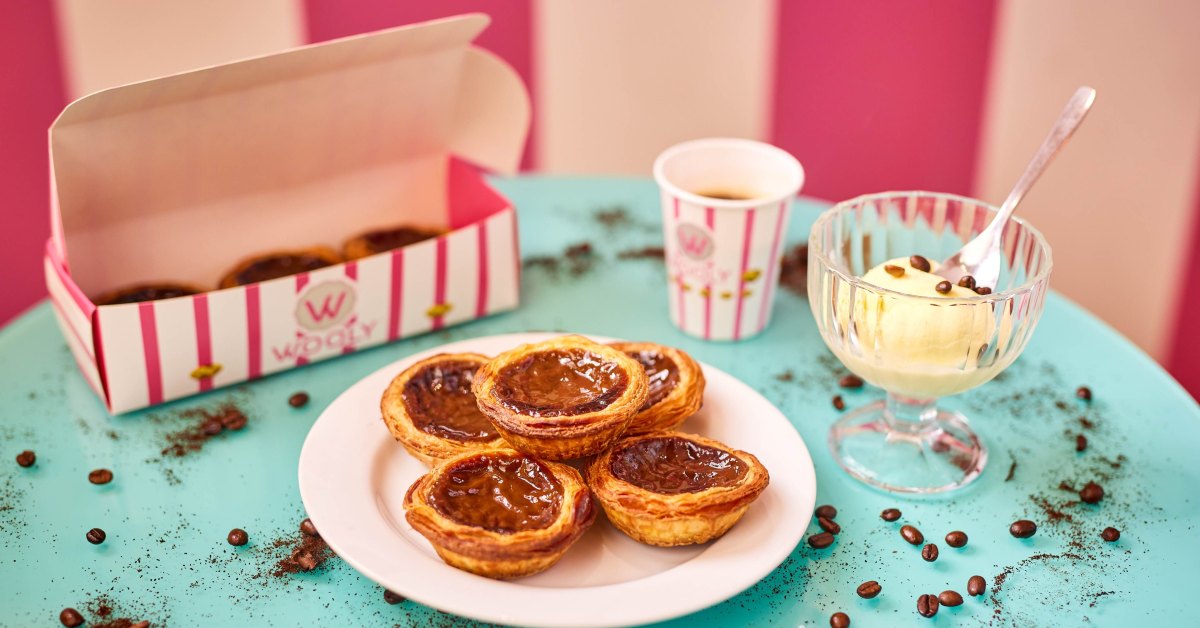
The History of Pastel de Nata: A Portuguese Tradition
Close your eyes and you can almost smell the warm pastel de nata — that caramelised custard tart born nearly two…

Pastel de Nata in Brussels: Our Wooly Shops
At Wooly, authentic Portuguese pastel de nata is baked fresh every morning in our 4 Brussels shops. Homemade puff…
Find our artisan pastries in our Brussels stores or order online.
Order now Our foodtruck for your events Our stores