
Travesseiro de Sintra: The Pillow Pastry That Conquered a Hillside Town
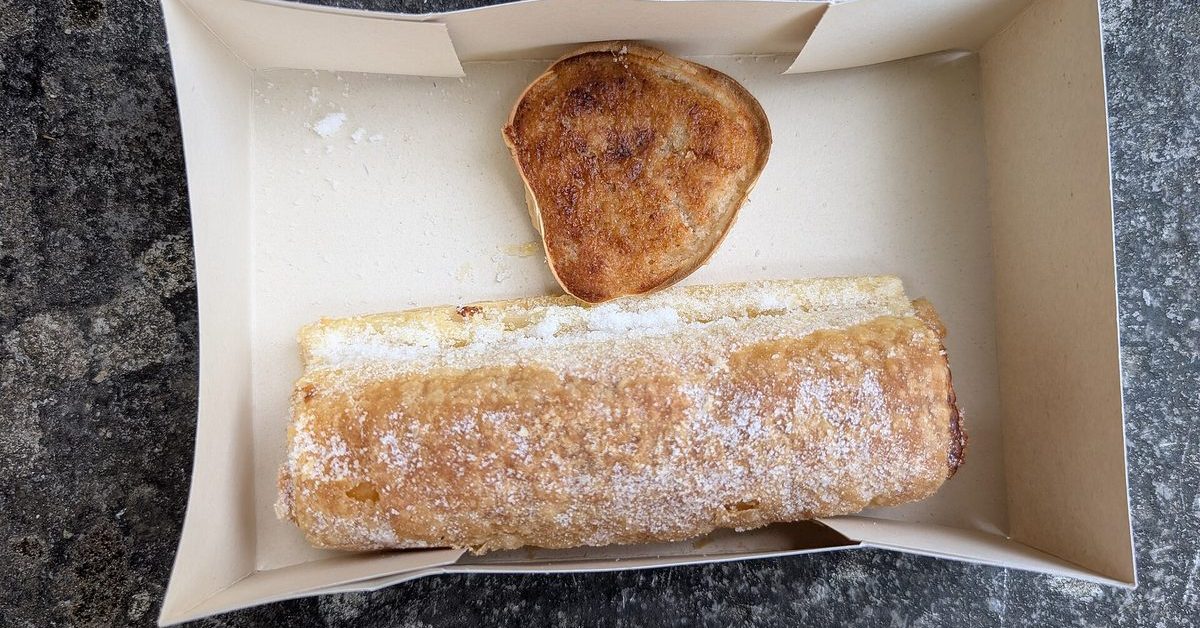
In short: The travesseiro de Sintra is puff pastry folded into a pillow shape, filled with a cream of eggs, sugar and almonds, then dusted with icing sugar. It comes from Casa Piriquita, opened in Sintra in 1862 by Constança Gomes. Wooly Pâtisserie does not yet sell it in its shops.
Sintra isn't Lisbon. Tucked into the hills west of the capital, it keeps its own morning mist well into summer, and it has always kept its own sweets, too. In 1862, Constança Gomes opened Casa Piriquita: a nickname King Dom Carlos I gave her, teasing her small stature, that stuck as the bakery's name. The royal couple summered in Sintra and couldn't get enough of the house's queijadas. It was during the Second World War, though, in the 1940s, that the next generation dreamed up something new from an old recipe book they'd stumbled across: the travesseiro was born. The exact recipe has stayed a closely guarded family secret for five generations since.
Stand outside Casa Piriquita on a July morning and the first thing you'll notice is the queue: tourists and regulars alike, all here for the same thing: puff pastry folded into a pillow shape, filled with a cream of eggs, sugar and almonds, then buried under icing sugar. The name comes from that soft, cushioned look, which makes the first bite all the more surprising, a sharp, almost noisy crackle before the cream takes over. This year, the travesseiro even landed on TasteAtlas's 2026 ranking of the world's best pastries, alongside pastel de nata and bola de berlim. Nobody in Sintra seems surprised, as far as the locals are concerned, Piriquita invented a classic decades ago.
What makes it so distinctive is its place in a whole lineage of Portuguese convent sweets: recipes built on eggs and sugar, first devised by nuns who used egg whites to starch their habits and needed somewhere to put all those leftover yolks. The travesseiro belongs to that same family as pastel de nata and pastel de Tentúgal, pastry as the vessel for a rich, golden custard.
We don't have travesseiros on our shelves in Brussels: the recipe is, after all, a well-kept Sintra family secret. But the same craft shows up every day in our Pastel de Tentúgal: thin, golden pastry, stretched by hand, that gives way to a silky, custardy filling. Different pastry, different town, same refusal to cut corners.
If a good crackle of pastry sounds like exactly what you need, our Pastel de Tentúgal is waiting at Wooly in Stockel, Etterbeek (Tongres), Uccle or Waterloo. It's not Sintra, but it carries the same generosity in every fold.
Discover our Pastel de Tentúgal and other typical Portuguese pastries in-store or online.
Sources: Comércio com História (programme public portugais), “Piriquita Antiga Fábrica de Queijadas”; Visit Sintra, “Travesseiros”.
Photo: Philip Mallis from Melbourne, CC BY-SA 4.0, via Wikimedia Commons
Read next
Bola de Berlim, the Pastry that Tastes Like Portuguese Summer
Flaky, golden, and generously filled with custard cream: the bola de berlim is the pastry that carries Portuguese…
The History of Pastel de Nata: A Portuguese Tradition
Close your eyes and you can almost smell the warm pastel de nata, that caramelised custard tart born nearly two…
Pastel de Nata in Brussels: Our Wooly Shops
At Wooly, authentic Portuguese pastel de nata comes out of the oven several times a day in our 4 shops in Brussels and…
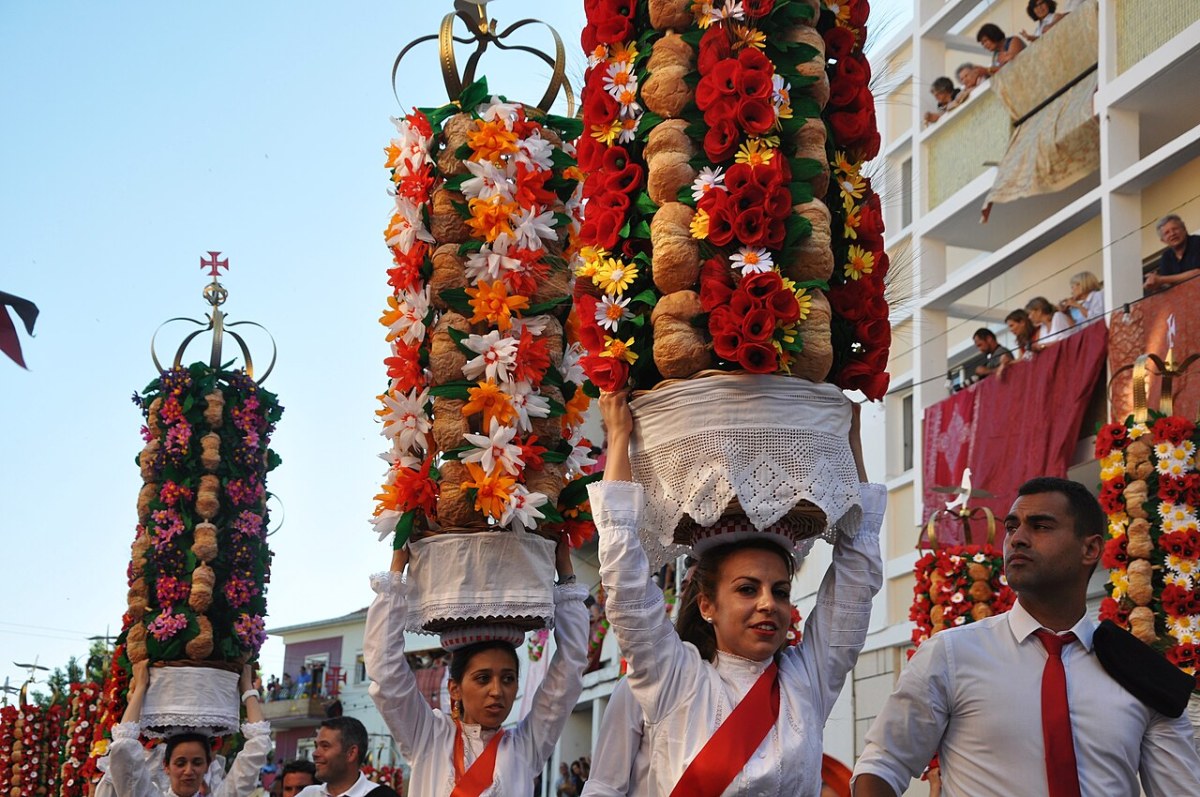
Tomar's Trays Festival: bread carried on the head
Every four years in Tomar, in central Portugal, young women in white dresses walk through the streets with a tray…
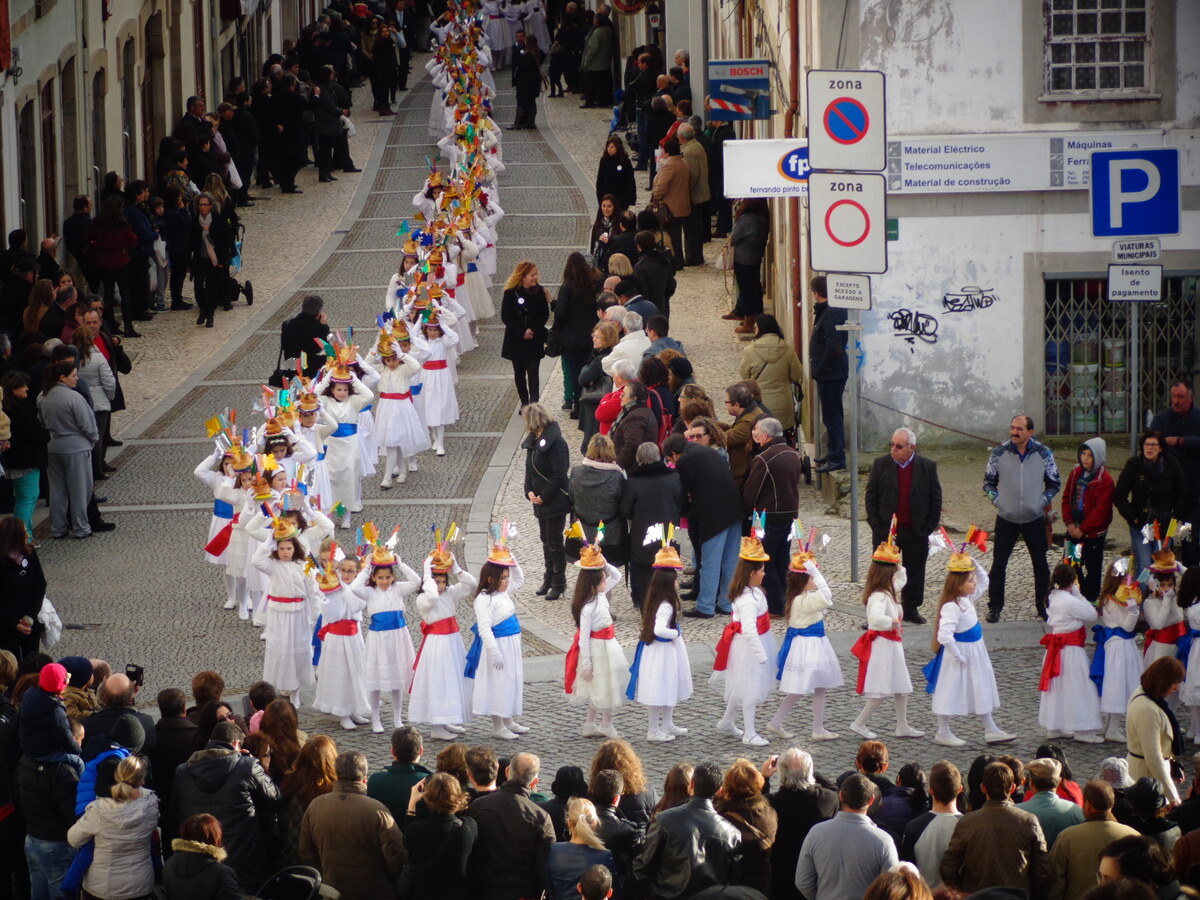
Fogaça: the sweet bread that young girls carry on their heads
You don't cut it like a cake: you carry it. Every 20 January in Santa Maria da Feira, young girls walk the streets with…
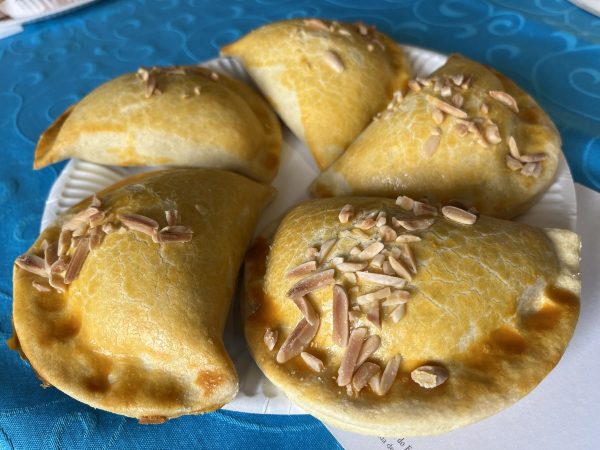
Barriga de freira: the nun's belly sweet from Portugal
A dessert with a name that makes you smile: barriga de freira, a nun's belly. Egg yolks, sugar, bread and cinnamon, a…
Queijinhos do Céu: the heavenly cheese made with neither milk nor cheese
A small white disc wrapped in paper cut like lace, and yet not a crumb of cheese. The queijinhos do céu come from the…
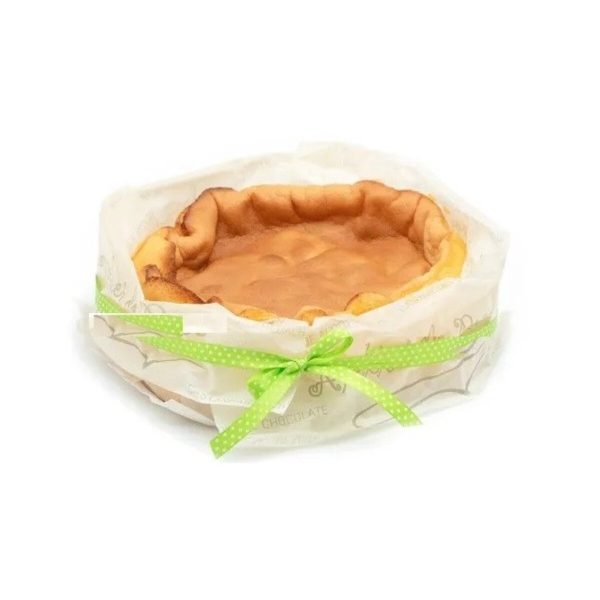
Pão de ló from Alfeizerão: the cake of the Lisbon–Porto road
On the Lisbon–Porto road, drivers used to stop at Alfeizerão for a pão de ló sold ready-wrapped. With no one at the…
Find our artisan pastries in our Brussels stores or order online.
Order now Our foodtruck for your events Our stores