
Ginjinha: The Tiny Cup That Sums Up Lisbon
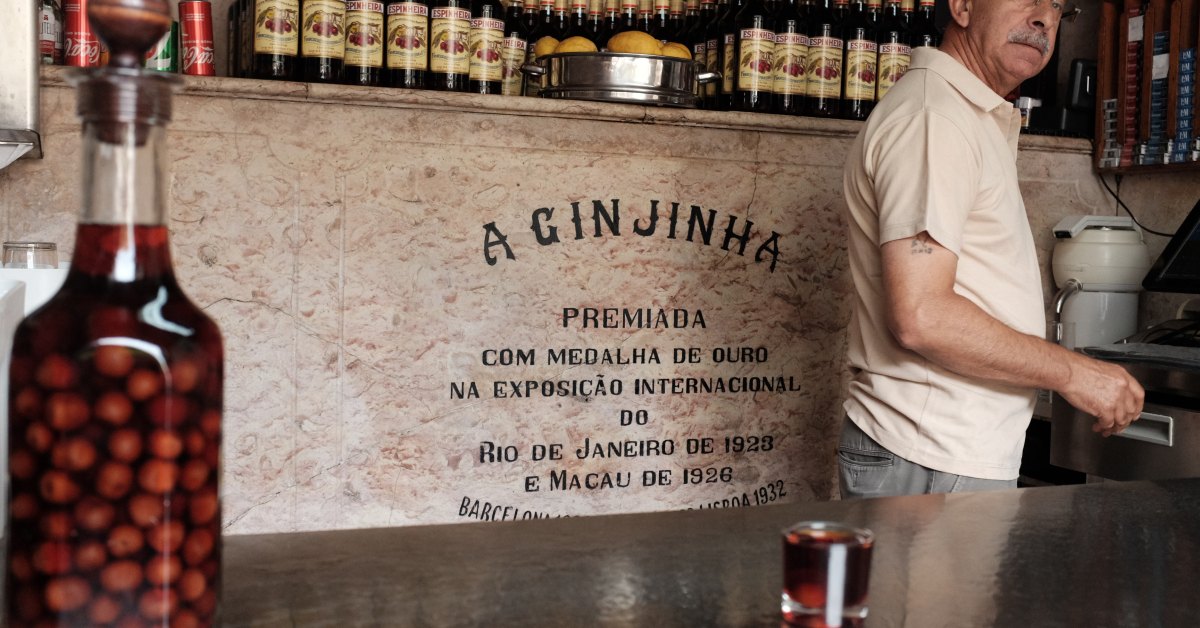
Ginjinha owes its name to the ginja, a sour cherry variety that the Romans are believed to have brought to Portugal. It was a monk, the story goes, who first had the idea of marrying it with aguardente, sugar and cinnamon. But it was a Spanish immigrant living in Lisbon, Francisco Espinheira, who first sold the drink to the public, in a tiny bar at Largo de São Domingos that still exists today, open since 1840 and run for five generations by the same family.
What strikes you the first time is the ritual more than the drink itself: you order "com ou sem" — with or without the cherry — you pay a coin, you drink it in one go, standing up, never sitting down. In the Alfama quarter, the tradition takes another form: elderly ladies, often widows dressed in black, sell their own ginjinha from a small table set up in front of their house, or directly through their window. In Óbidos, an hour from Lisbon, it is served in a chocolate cup that you bite into once the glass is empty — an idea that has become almost as famous as the liqueur itself.
It is not a dessert, it is not a pastry, but it is exactly the kind of moment that Portugal knows how to create with almost nothing: a simple gesture, repeated standing on a street corner, that brings strangers together for the space of a sip. It is this same idea that drives our Wooly shops: a counter where you pause for five minutes, a break that requires neither a reservation nor ceremony, just the desire to taste something that has a story behind it.
In June, during the Festas de Lisboa — the popular festivals in honour of Saint Anthony — ginjinha flows freely through the alleyways decorated with garlands and the smell of grilled sardines. It is the moment when this little glass of almost nothing becomes a symbol of the city: people clink glasses with neighbours they do not know, dance a little, and leave with fingers that still smell of cherries. No great occasion is needed to enjoy it the rest of the year — a Sunday afternoon or the end of a meal will do perfectly.
Ginjinha has also been making its way into contemporary cocktails, mixed with champagne or served over ice as a reinvented digestif — but it is standing up, in a tiny glass, that it remains most faithful to its history. At home, you simply need to let sour cherries macerate in aguardente with a little sugar and cinnamon for several weeks to obtain a simplified version of the original recipe.
This summer, if you are in Lisbon, look for the little green and red shopfronts of the ginjinha bars — and if you are staying in Brussels, we will keep the same Portuguese warmth waiting for you at the counter of our shops at Stockel, Etterbeek (Tongres), Uccle and Waterloo.
Photo : Tomislav Medak — CC BY-SA 2.0, via Wikimedia Commons
Read next
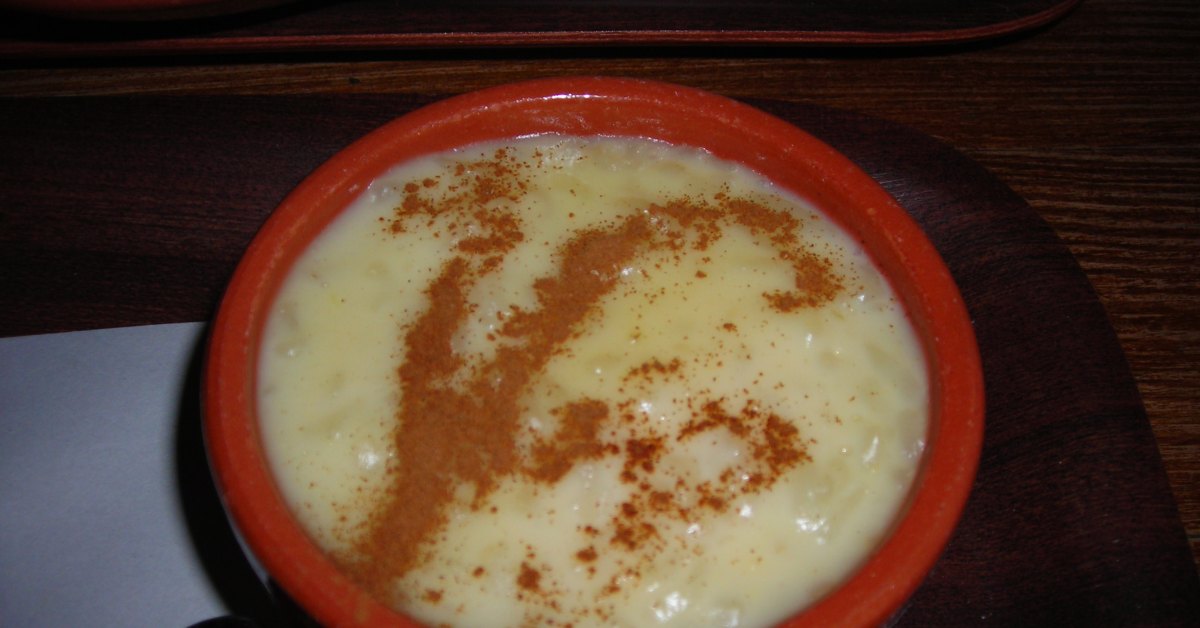
Arroz Doce: The Portuguese Rice Pudding That Ends Every Family Table
I still remember the first time someone handed me a bowl still faintly warm, with a fan of cinnamon traced across the…
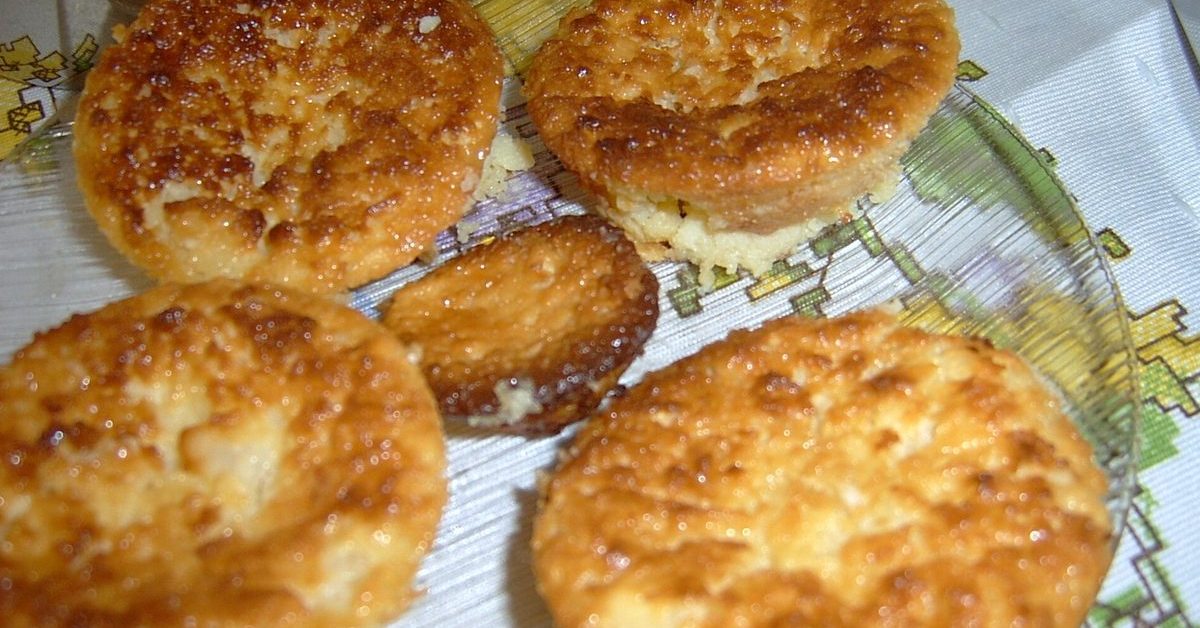
The Queijada de Sintra: the little cake people once used to pay their taxes
A crust that snaps the moment you bite into it, a warm filling of fresh cheese and cinnamon — the queijada de Sintra…
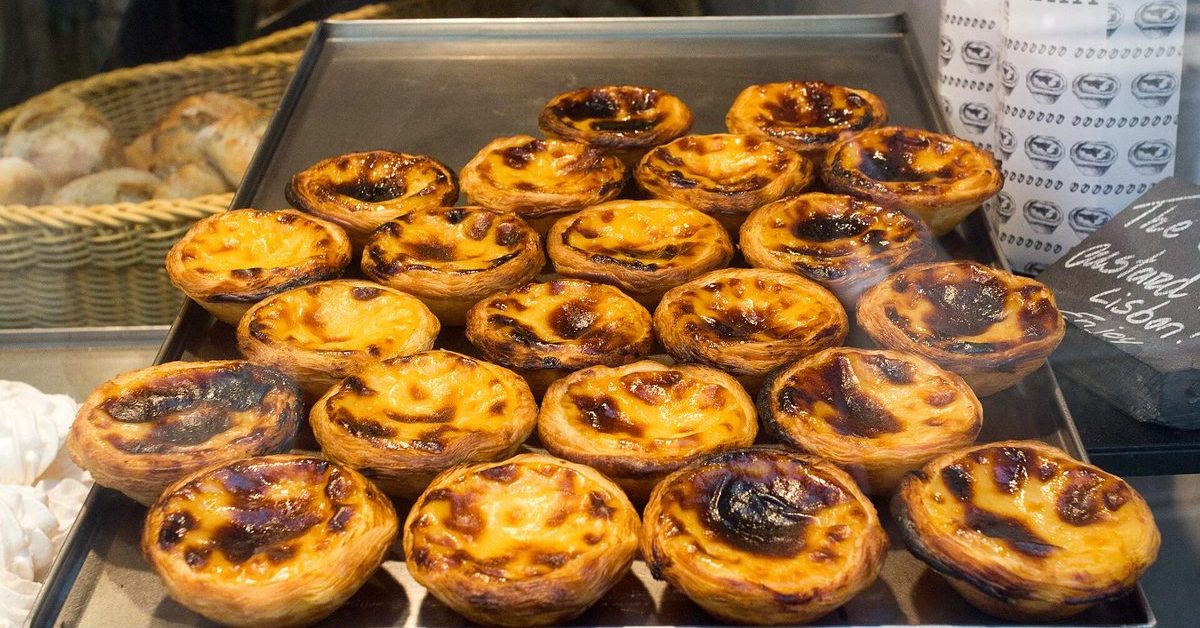
Pastel de Belém Just Won World's Best Pastry: Here's What That Means for Us
The first time someone told me a custard tart from a Lisbon monastery bakery was the best pastry on earth, I thought it…
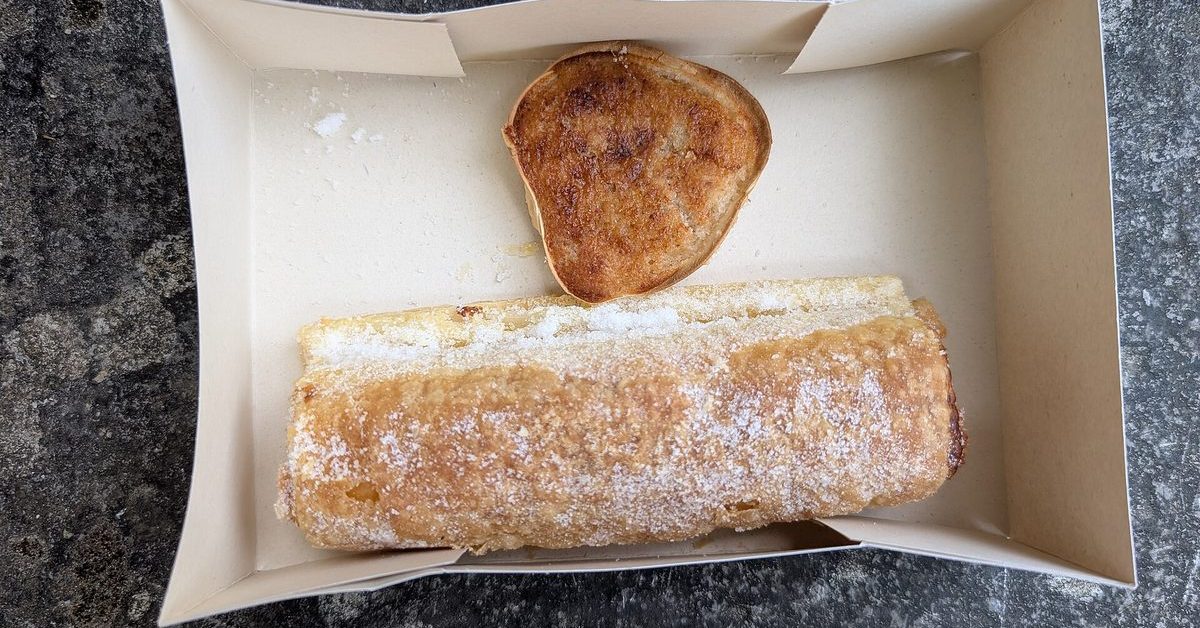
Travesseiro de Sintra: The Pillow Pastry That Conquered a Hillside Town
I still remember the first time someone handed me a travesseiro straight out of its paper wrapper — still warm, dusted…
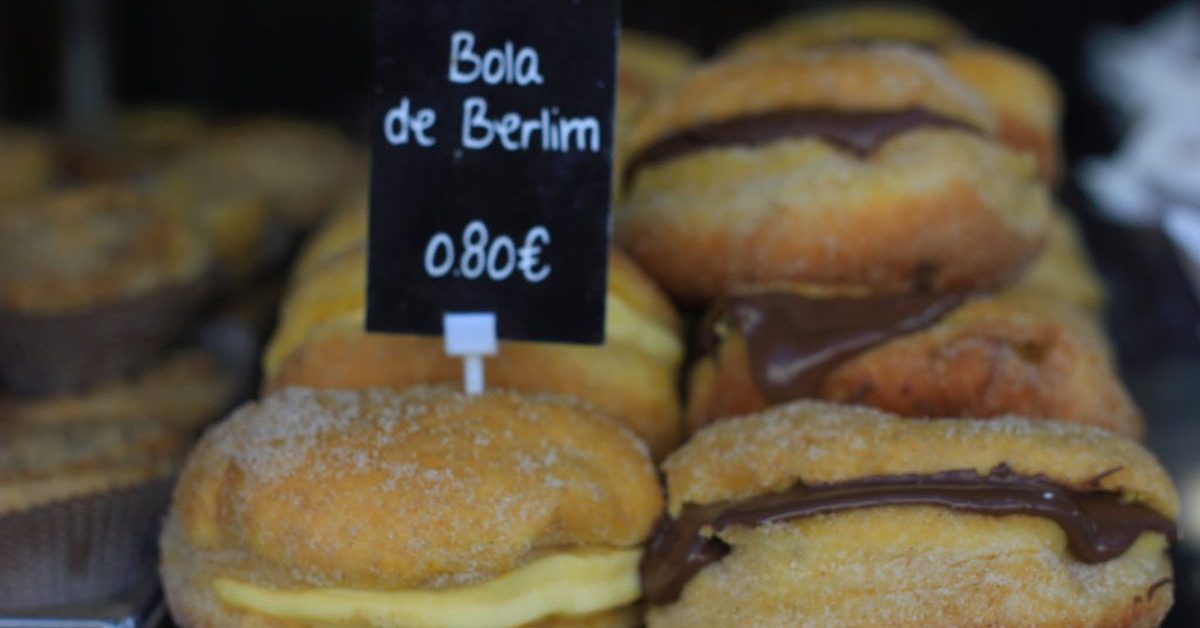
Bola de Berlim, the Pastry that Tastes Like Portuguese Summer
Flaky, golden, and generously filled with custard cream: the bola de berlim is the pastry that carries Portuguese…
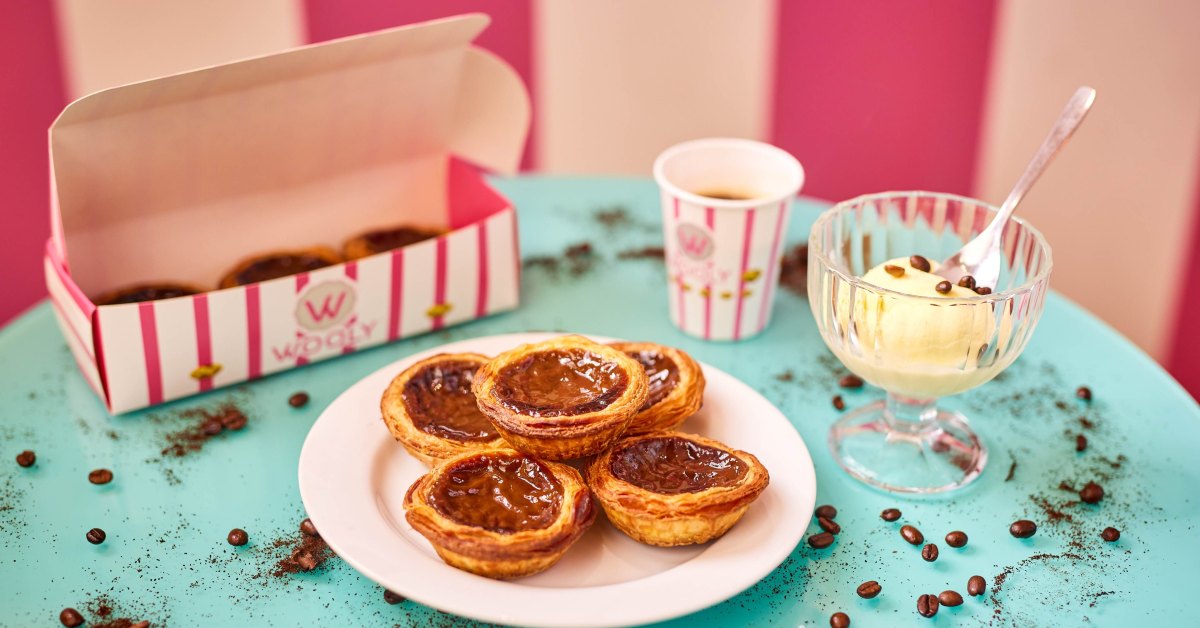
The History of Pastel de Nata: A Portuguese Tradition
Close your eyes and you can almost smell the warm pastel de nata — that caramelised custard tart born nearly two…
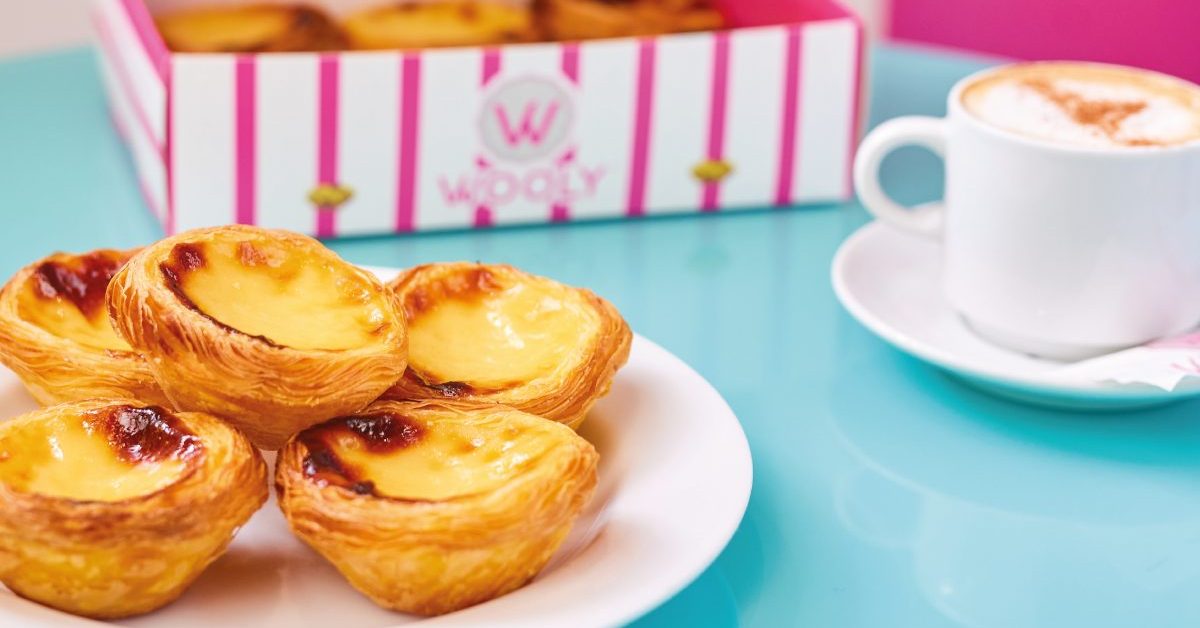
Pastel de Nata in Brussels: Our Wooly Shops
At Wooly, authentic Portuguese pastel de nata is baked fresh every morning in our 4 Brussels shops. Homemade puff…
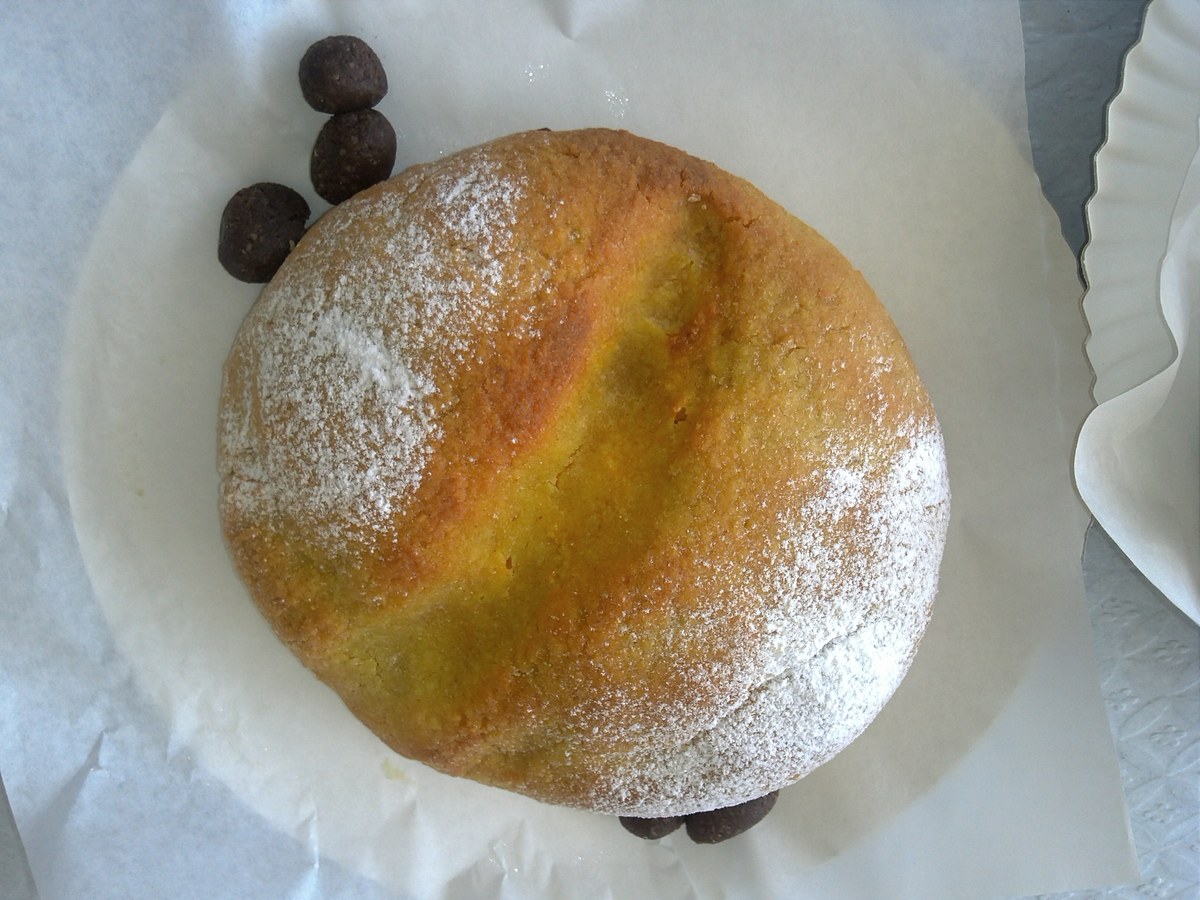
Pão de rala: the fake loaf of Évora that the nuns offered a king
It has the shape of a country loaf and the name of a poor man's flour. Under its crust, though, there is nothing but…
Find our artisan pastries in our Brussels stores or order online.
Order now Our foodtruck for your events Our stores