
Bolinhos de chuva: the fritter made for rainy days
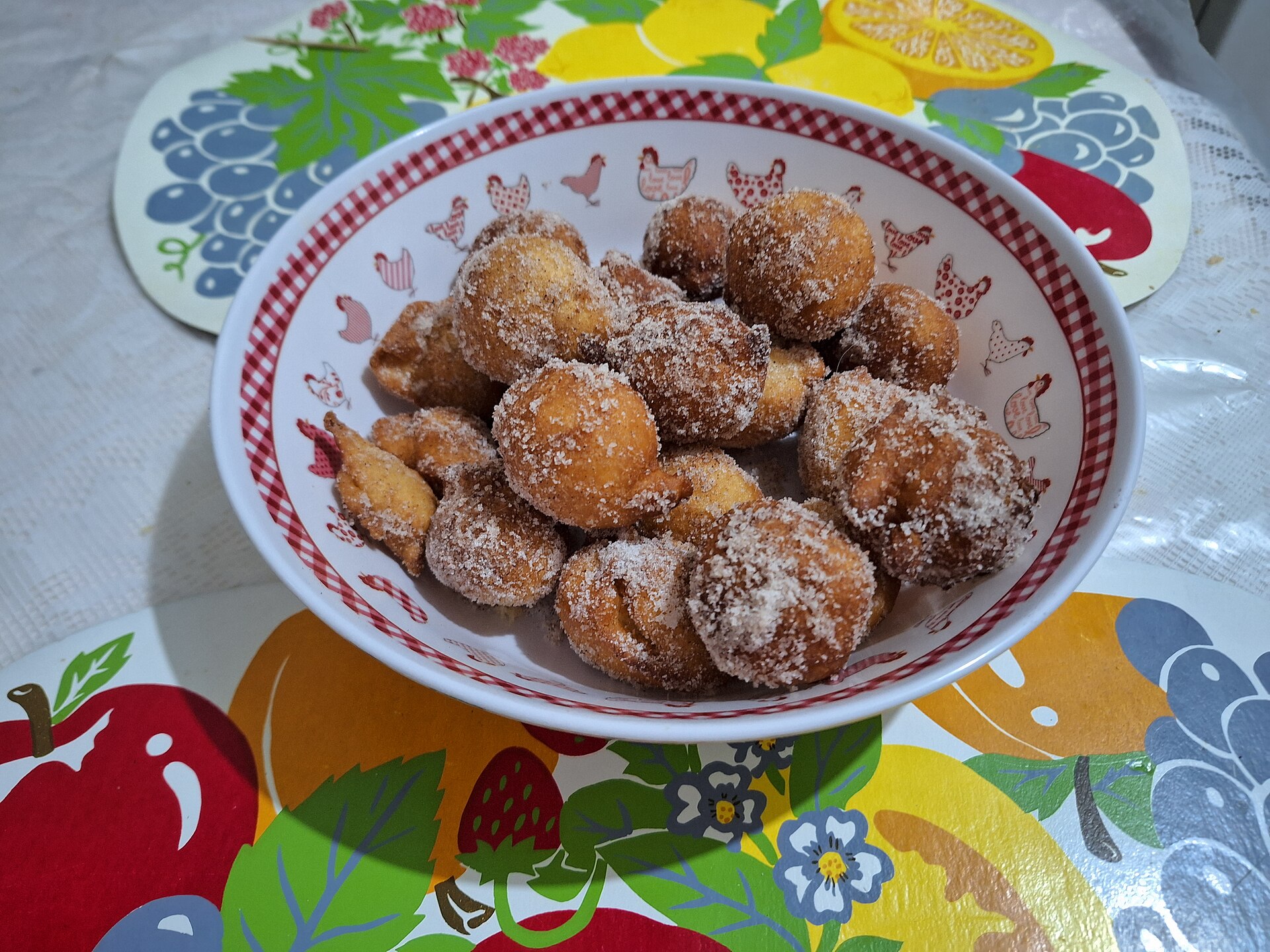
All it takes is a low sky and an afternoon that refuses to end for the kitchen to get involved. A runny batter, a spoon, hot oil that crackles, and at the end small golden fritters rolled in cinnamon. In Portugal and in Brazil, they are called bolinhos de chuva, literally "little rain cakes".
A recipe that fits in a few words
The base is simple: flour, eggs, milk, and baking powder or bicarbonate of soda to make the batter rise. The proportions given in the Portuguese edition of Wikipedia are those of an everyday kitchen: about three cups of flour for two cups of milk per egg. The raising agent goes in last, just before the batter is worked.
Then nothing is shaped by hand. The batter is dropped by the spoonful into hot oil, where it puffs up and turns golden before it is lifted out. The movement is short, almost a reflex, and that is probably why the recipe has come down the generations without changing much.
The finish does the rest. The fritter, still warm, goes into a mix of sugar and cinnamon. That is what gives the smell you recognise as soon as you walk into a kitchen. Some families add fruit to the batter, which the recipes present as a possible variation, with no single "official" version.
The afternoon snack for rainy days, in Portugal
In Portugal, bolinhos de chuva are mainly associated with Christmas, alongside the other fried sweets of the season. We wrote about them two weeks ago, with the filhós and sonhos, two other fried doughs that share the same table. The bolinho has a more modest reputation: it is eaten without any celebration, on a day when the weather keeps the children indoors.
This is where the story turns into legend. People tell of a woman in the 17th century who, on a rainy day, thought of this dessert to keep children who were not allowed out to play busy. A mix of sugar, eggs, cinnamon, milk and butter is said to have cheered them up. Her name is not known, and no document from the period supports the account. It is a kitchen tradition, passed on by word of mouth, that cannot be proved.
The name is more down to earth. Some see a nod to the drop shape the batter takes as it falls into the oil. That explanation circulates often, but no solid source backs it. It can be kept as a picture, without being presented as a fact.
Across the Atlantic
The bolinho de chuva crossed the Atlantic. In Brazil it became familiar through the television series Sítio do Picapau Amarelo, in its 1977 version. The series' cook, Tia Nastácia, made them for the children of the story. For many Brazilians, it was on screen that they first met this fritter, more than in a family kitchen.
The sources do not all agree on where the dish was born. The Portuguese article places it in Portugal; the English article simply notes that it exists on both sides of the ocean and that its pronunciation differs from one country to the other. Both versions share the recipe and the cinnamon, and that is where the comparison gets interesting: one batter, two accents, and the same urge to eat them on rainy days.
And in Brussels, when it rains
In Brussels, the rain can last a whole afternoon, and the streets of Stockel, Uccle, Waterloo or Etterbeek empty a little more with each shower. On days like these, the point of the Portuguese afternoon snack makes sense: something warm, sweet and simple that keeps you company without asking anything.
At Wooly, we bake Portuguese pastry in our shops in Stockel, Uccle, Waterloo and Etterbeek. If the weather keeps you at home, you will find our addresses and opening hours here, and our pastéis de nata remain the simplest place to start discovering Portuguese pastry.
Sources: Wikipedia (pt), “Bolinho de chuva” ; Wikipedia (en), “Bolinho de chuva”.
Photo: Juwan, Wikimedia Commons, CC0 (public domain).
Read next
Azulejos in Portuguese pastelarias: the painted tiles that keep Lisbon's cafés
In many pastelarias in Lisbon, your eyes end up looking up at the walls. The painted tiles that cover them have a…
Impérios in the Azores: the house where sweets go to auction
On the island of Terceira, the Holy Spirit feast has its own houses, the impérios. An offering waits there until it is…
Bolo de noiva: the Portuguese wedding cake kept for a year
In Portugal the wedding cake has one more job than the others: a slice is kept for the first anniversary. A tradition…
Encharcada: the Évora sweet whose convent origin may be a legend
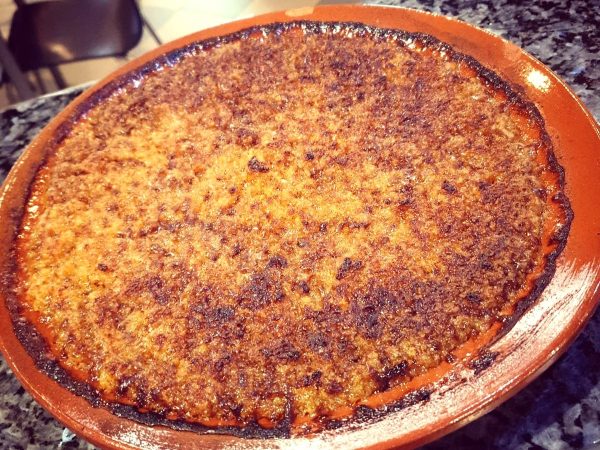
Egg yolks cooked in syrup, then browned, served in earthenware. Encharcada from Évora takes its name from the word for…
Figos cheios de Olhão: the stuffed fig fishermen took to sea
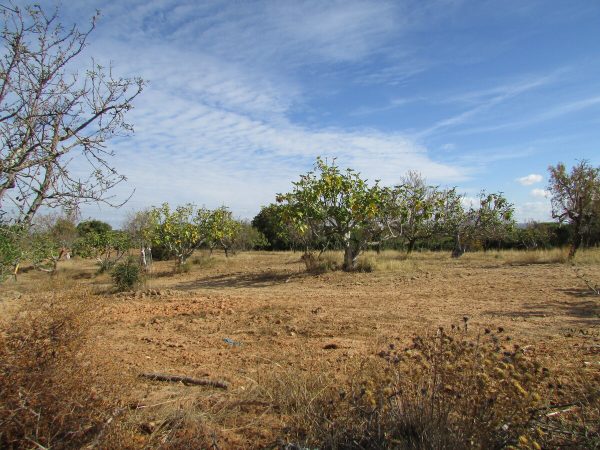
At the start of November, dried figs change face in the villages of the Algarve. Split open, filled with almond,…
Serradura: the dessert named after sawdust, from Macau or Portugal
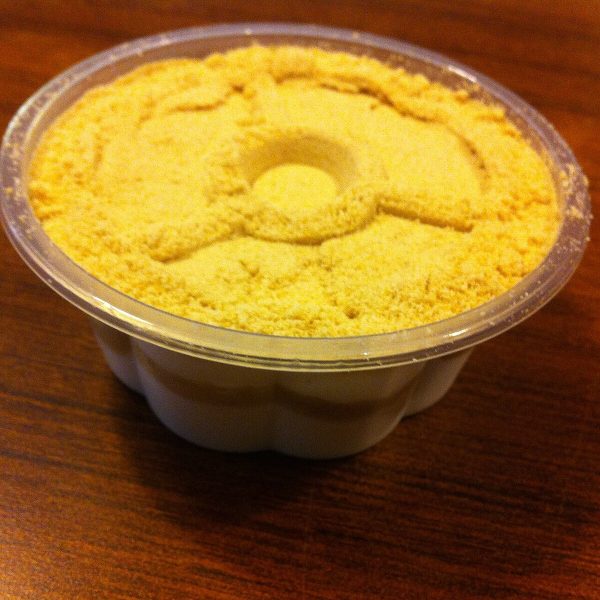
A spoon slides through the cream, and the biscuits soften without quite giving up their shape: serradura is eaten…
Rosquilha d'Argozelo: the Easter ring that keeps a village alive
It is shaped by hand into a ring and baked in a wood oven. In Argozelo, a small village in Trás-os-Montes, the…
Olive oil in Portuguese sweets: Abrantes fair 2026 puts it centre stage
In a Portuguese home, olive oil lives on the table first: a drizzle on bread, a drop in the soup. Yet when we talk…
Find our artisan pastries in our Brussels stores or order online.
Order now Our foodtruck for your events Our stores