
Serradura: the dessert named after sawdust, from Macau or Portugal
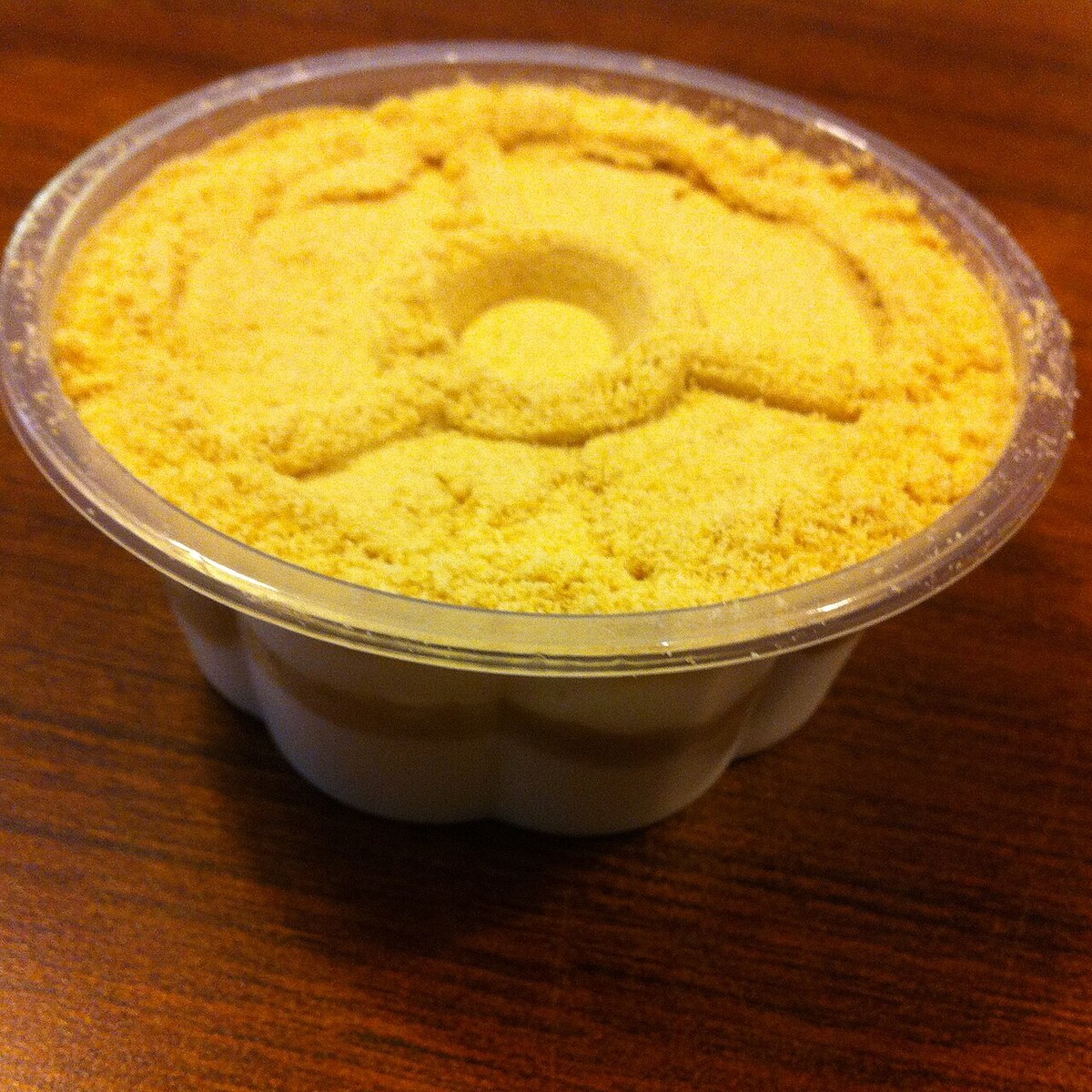
The dessert arrives in a glass, without any fuss. On top, a layer of very white cream. Underneath, another layer of crushed biscuits that have taken on the colour of pale sand. When the spoon goes down, it meets the cream first, then a soft, tender texture that is no longer quite biscuit. That is the serradura.
The name is simple, and it is already a picture. In Portuguese, serradura means sawdust, the fine shavings that fall under the carpenter's saw. The dessert looks like what the saw leaves on the workbench: a light, fine powder laid down in layers. That is why it is sometimes called "sawdust pudding" in English.
The ingredients fit on a short list. There are Maria biscuits, the dry biscuit you find in almost every Portuguese kitchen, crushed into crumbs. There is whipped cream, and often sweetened condensed milk to soften the whole thing. Everything is set in layers, the last one being cream, sometimes dusted with a few crumbs. It rests in the cold, and that is all.
Time does the work. After a few hours, the biscuits drink up the cream and lose their crunch. They do not disappear, they become tender. That is where the real success of the dessert lies: a texture that is neither a cake, nor a mousse, nor a biscuit.
Macau or Portugal: two stories for one spoon
Where does the serradura come from? The sources we consulted do not agree. A culinary blog devoted to Macau estimates that the dessert probably originated there, on that small territory on the Chinese coast that was for a long time a Portuguese colony. The same blog adds that it is now very widespread in Macau, where it can be found in almost every pastry shop. Other sources link it directly to Portugal.
Both accounts make sense. Portugal traded for centuries with its Asian trading posts, and its recipes travelled with goods, people and families. A recipe can be born on one side, settle on the other, and come back later in a slightly changed form. Without a period document that settles the matter, the question stays open, and perhaps that is what makes the dessert so good to tell.
Goa, in India, has its own version too. That territory was a Portuguese possession for centuries, and its Catholic cooking still carries the mark of that history. Some restaurants there serve serradura, presented as a family dessert. Once again, the dish travels with the ties between Portugal and its former territories.
A taste that changes with the hands
Every house has its own version. Some add a touch of vanilla to the cream, others grind a little cashew over the biscuit layer, which gives a rounder note with a slight bitterness. The oldest recipes found online, the ones that circulate most, rely on simplicity: biscuits, cream, sugar and patience.
There are also versions with egg yolks and gelatine, closer to an entremet than to a dessert eaten with a spoon. The principle stays the same: layers that answer each other, a texture that falls apart on the tongue. There is not one serradura, there are dozens, all faithful to the same image of shavings piled up.
Why serradura surprises in Brussels
In a city where people know mainly the pastel de nata, serradura is a surprise. It has no flaky pastry crust and no contrast between caramel and a torched cream. It asks for a different kind of attention: you eat it slowly, you pause at each layer, and you return to the spoon to find what has changed since the first mouthful.
At Wooly, the pastel de nata remains the red thread of our shops, in Etterbeek, Stockel, Uccle and Waterloo. It is what we offer first, with the coffee and the conversation that goes with it. The serradura is a reminder that Portuguese pastry is not limited to a single cake. It also tells stories of trade routes, of trading posts in Asia, and of families who carried their recipes with them.
If you want to go further, our article on the history of the pastel de nata shows how another Portuguese pastry has crossed the centuries. To taste something typically ours, the pastel de nata product page gives all the useful details. Opening hours and addresses for our four shops are on the shops page.
One last spoon
Serradura makes no noise. It does not play the spectacle card, but it rewards whoever takes the time. A name meaning sawdust, a recipe with a handful of ingredients, an origin disputed between two shores: enough to fill an entire conversation. And the last spoonful, the one that scrapes the bottom of the glass, often tastes like the first.
Our pastéis de nata, in seven flavours, can also be ordered online, with home delivery in Brussels and to neighbouring countries.
Sources: Wikipedia (en), “Serradura”; Travel + Leisure Asia, “These Memory-Making Desserts Are the Madeleines of Macau”; Feastography, “10 Local Street Food Items You Must Eat! (Macau)”.
Read next
Rosquilha d'Argozelo: the Easter ring that keeps a village alive
It is shaped by hand into a ring and baked in a wood oven. In Argozelo, a small village in Trás-os-Montes, the…
Olive oil in Portuguese sweets: Abrantes fair 2026 puts it centre stage
In a Portuguese home, olive oil lives on the table first: a drizzle on bread, a drop in the soup. Yet when we talk…
Azevias: the chickpea Christmas pastry that carries the name of a fish
A fried half-moon, rolled in sugar and cinnamon, filled with chickpeas. The azevia, a Portuguese Christmas pastry,…
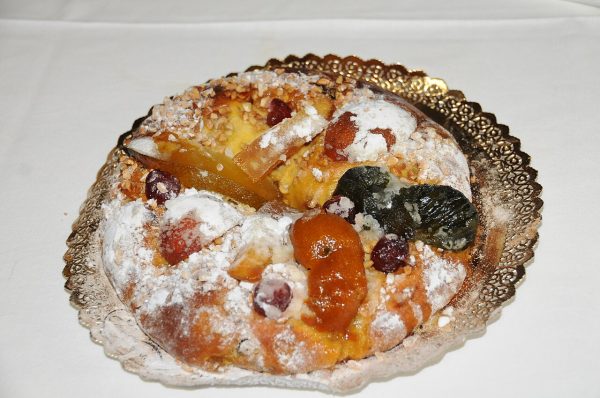
Bolo-rei: the Kings' cake where whoever finds the bean pays
A golden crown of dough, candied fruit, and deep inside one slice, a dried bean. In Portugal, whoever finds it pays for…
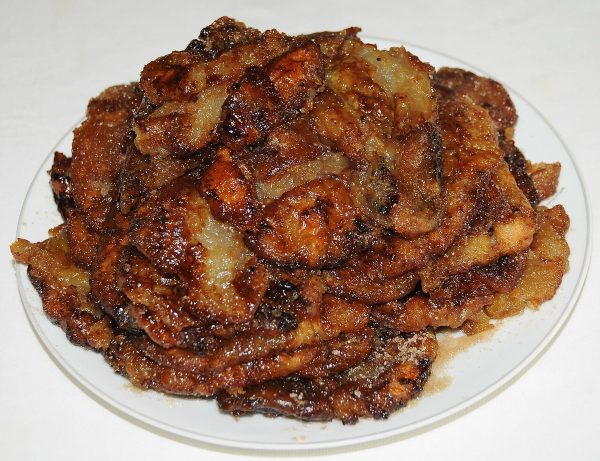
Rabanadas: the slice of bread Portugal served to new mothers
Day-old bread, milk, an egg, a pan. In Portugal the Christmas rabanada is also called fatia de parida: the slice for…
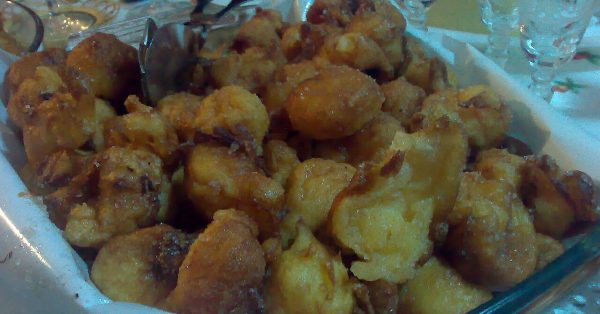
Filhós and sonhos: two fried balls, two doughs, one Portuguese Christmas
A golden ball dusted with cinnamon, picked up with your fingertips from the Christmas table. In Portugal it is a filhó…
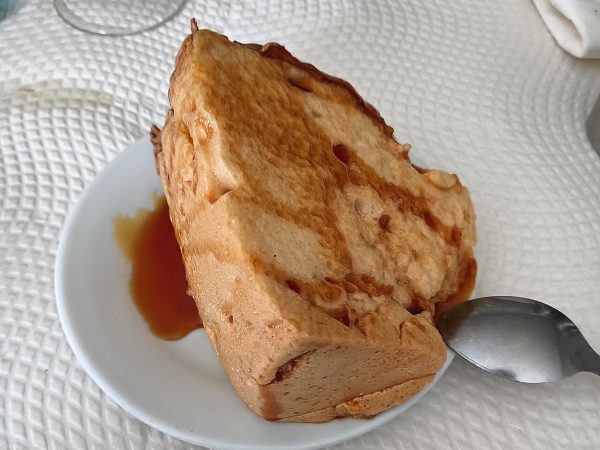
Pudim Molotof: the egg-white dessert named after a fortress
A cloud in a mould, caramel running down the sides, almost nothing under the spoon. Pudim Molotof has two stories: the…
Aletria: the dough threads the Moors left on the Christmas table
First you look: cinnamon draws diamonds across a tender yellow. Aletria is made of dough threads that came from…
Find our artisan pastries in our Brussels stores or order online.
Order now Our foodtruck for your events Our stores