
The suitcase home: what Portuguese families bring back in August
In late August the same scene plays out in kitchens all over Brussels. A suitcase open on the tiles, a bathroom scale beside it, and someone crouching down and counting out loud all over again. Lift, set down, take out a jar, put the jar back, and in the end two jumpers come out instead. It is the last negotiation of the holiday, and it is never about clothes.
Since the great waves of departure in the 1960s, Portuguese families have made this journey in both directions: summer in Portugal, the rest of the year in Belgium. The trip home has grown its own ritual, and that ritual fits entirely inside one overweight suitcase.
The bathroom scale
Anyone flying knows the arithmetic by heart. The baggage allowance is a budget, and that budget gets spent on food. Clothes are the adjustable part: you go home with less laundry than you arrived with, because space is negotiated by the gram.
Anyone driving has more room and less sleep. Two days on the road from the Minho or the Alentejo, a night somewhere in Spain or the south of France, a boot loaded to the roof and a cool box wedged between the seats. That cool box is the serious part of the cargo: it decides what arrives alive.
Either way the logic is the same. You do not bring back what is good. You bring back what cannot be found here, and what will survive the journey.
What a suitcase can carry
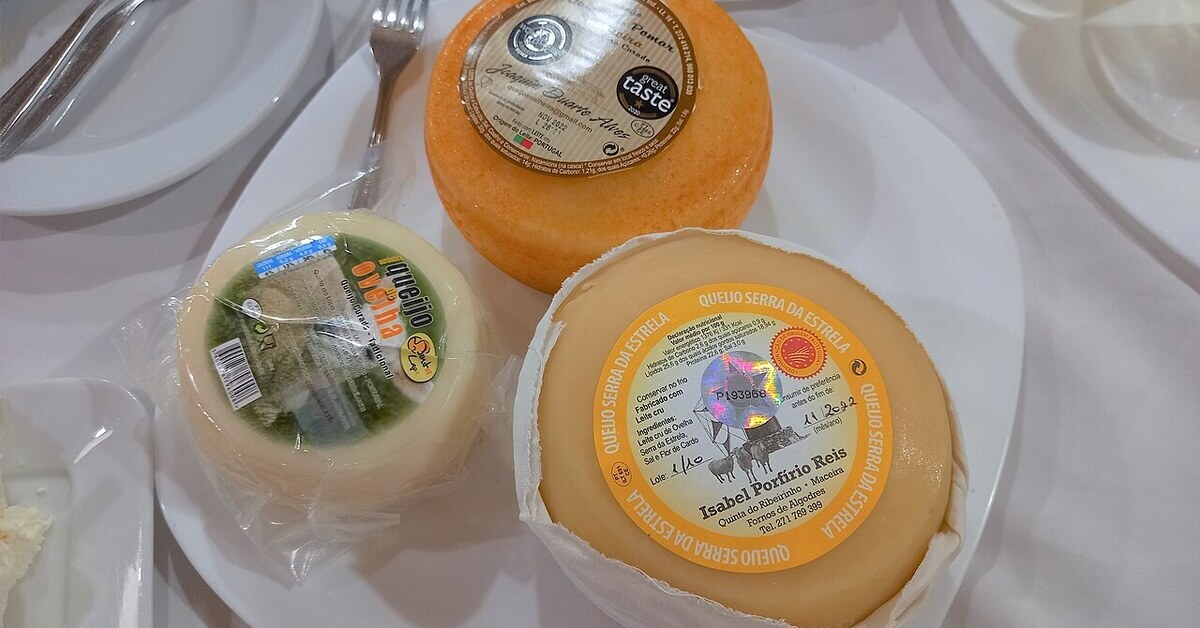
The contents vary from family to family, but a core list comes up everywhere. Olive oil, often from a producer known by first name rather than by brand. Ground coffee, bought by weight. Tins of sardines and tuna, which slot into every gap between the other things. Cheese: sheep's cheese from the Serra da Estrela when the season allows, cheese from the Azores the rest of the year. Smoked charcuterie, rolled in paper, then in a bag, then in a second bag.
And then sugar, in all its stable forms. Dense quince paste, cut into slices. Jars of doce, among them the famous doce de gila, the stringy squash jam that fills half of Portuguese pastry. Almonds from the Algarve. Dry biscuits. Bolo de mel from Madeira, which keeps for months and is torn apart by hand.
It is no accident that these are the things that travel. Salt, sugar, oil, smoke and drying are preservation techniques before they are flavours. This pantry was designed, century after century, to get through a winter without refrigeration. A suitcase between Lisbon and Brussels does not frighten it.
What never makes it
Which leaves everything else. And that is precisely the best part.
The farturas of village festivals, those long ridged fritters piped straight into boiling oil, exist only within three metres of the fryer and for about ten minutes. A pão de ló from Ovar, pulled from the oven with its centre still running, will not survive a night on the motorway. Egg-custard pastries, fragile things, layered things: none of it goes in a suitcase.
Nor does the bica, for that matter. You can bring home the coffee, but not the counter, not the thick little cup, not the thirty seconds spent standing next to a stranger. Some things are not products: they are places.
The pastel de nata, a textbook case
The pastel de nata sums up the whole problem. It is made of two materials that dislike each other: puff pastry that must stay dry to stay crisp, and a custard that wants nothing more than to give its moisture back. While it is hot the barrier holds and the pastry shatters. A few hours later the exchange has happened: the custard is still good, the pastry has gone soft. It is no longer quite the same cake.
That is why no suitcase has ever carried a real pastel de nata north of the Pyrenees. The distance is measured in hours, not kilometres, and the sum is lost before it starts. Salame de chocolate, on the other hand, travels beautifully: no oven, no custard, a texture that only firms up in the cold. Every Portuguese doce has its range, and that range is written into the recipe.
The suitcase going the other way
To be fair, the journey runs both ways. In July the same cars head south loaded with Belgian chocolate, speculoos and biscuits for the family who stayed behind — things that cannot be found on that side either. The suitcase out and the suitcase home answer each other, and nobody keeps score.
September, and the suitcase is empty
Then comes the moment when the last jar is open, the coffee bought by weight has run out, and you find yourself in Brussels at the end of September with a very specific craving for something that cannot be transported. That is exactly where our trade begins.
Every day, here, we do the one thing a suitcase never can: take a pastel de nata out of the oven while it is still too hot to hold in a full hand. It is the only known way to shorten those two thousand kilometres. You will find us on rue des Tongres in Etterbeek, in Stockel, in Uccle and in Waterloo — addresses and opening hours on our shops page.
And if you have just come home with a suitcase still full: keep the doce de gila. We will know what to do with it.
Photo: Portuguese cheeses, including queijo Serra da Estrela. Hipersyl, Wikimedia Commons, CC BY-SA 4.0 licence.
Read next
Doce fino: the Algarve's fruit, sculpted entirely from almonds
A banana, an ear of corn, two white rabbits and a carrot complete with its leafy top, all laid out on a paper doily.…
The ponto de açúcar: the fingertip test that decides everything
Thread, pearl, blown, sand: Portuguese has nine words for the moment a sugar syrup is ready, and not a single number.…
Bolo de bolacha: the Portuguese cake that never sees an oven
It never goes into the oven. Three things are enough — Maria biscuits, strong coffee, buttercream — plus one night in…
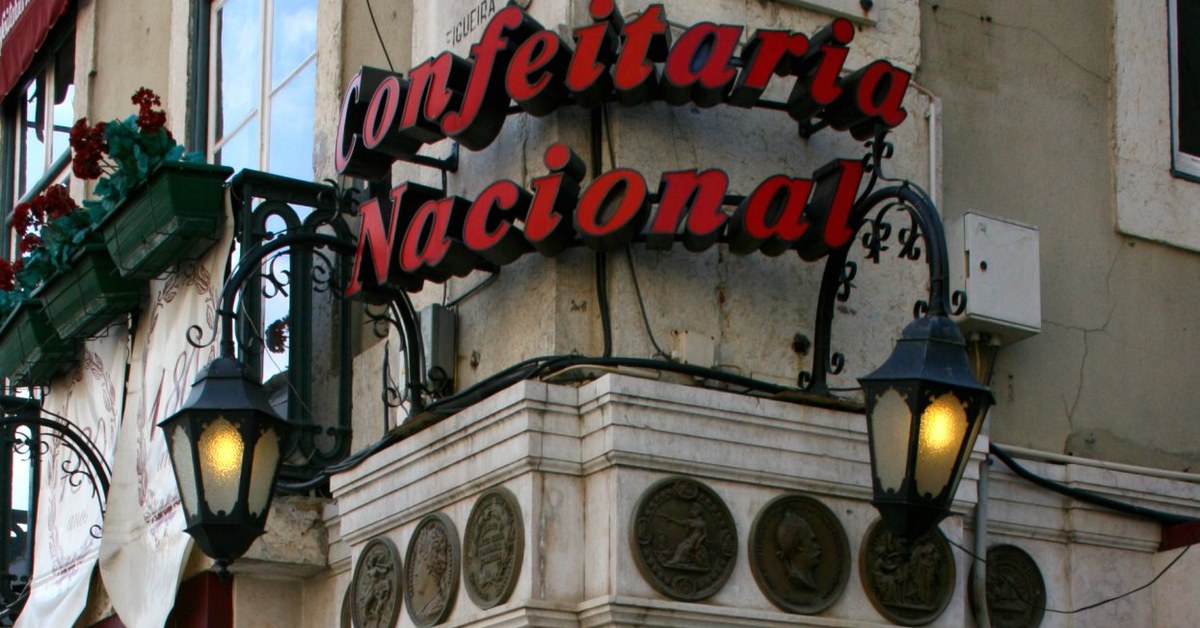
Confeitaria Nacional: the Lisbon pastry shop open since 1829
At dusk, on the corner of Praça da Figueira, the red sign lights up before the street lamps do. Below it, a row of…
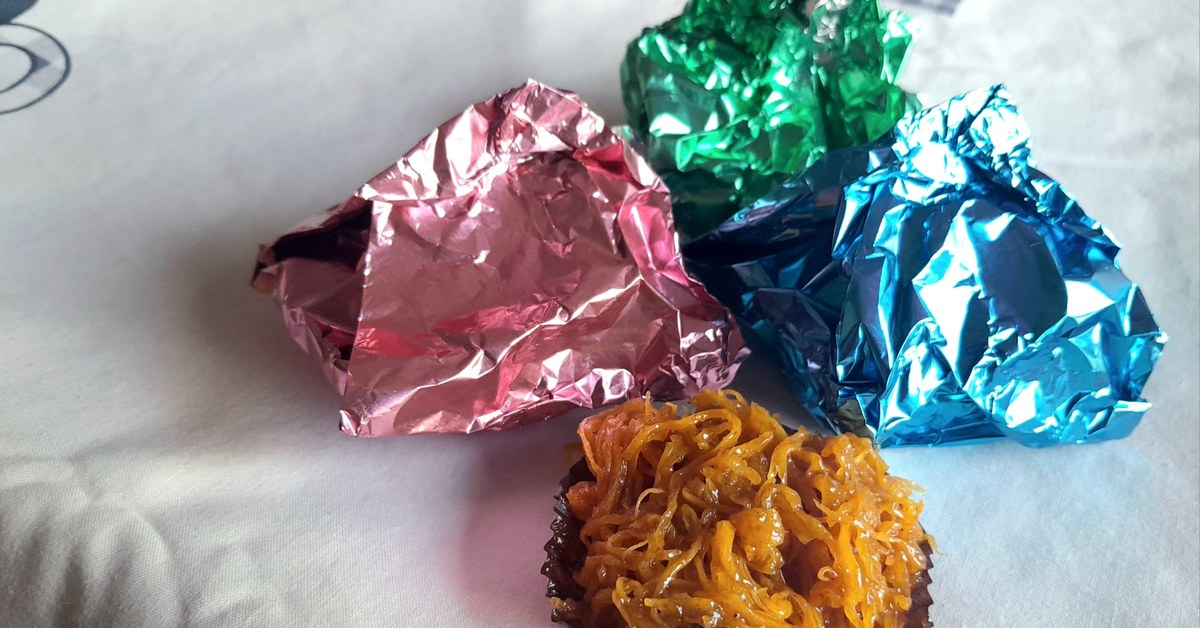
Dom Rodrigo: the Algarve sweet you unwrap like a candy
A rustle first. You pull at two corners of metallic paper, the golden ball appears, sticky, dusted with cinnamon. Dom…
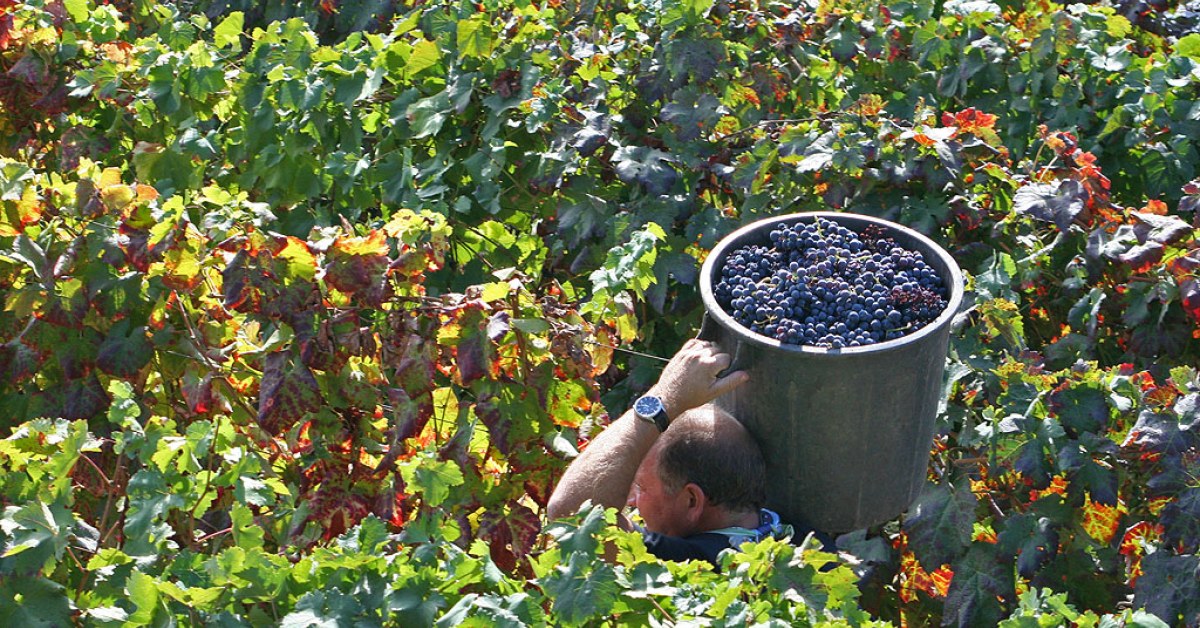
Uvada: the harvest sweet they boiled at night, without sugar
There is no sugar in uvada. Not a gram. This Portuguese harvest sweet draws all of its sweetness from the grape itself,…
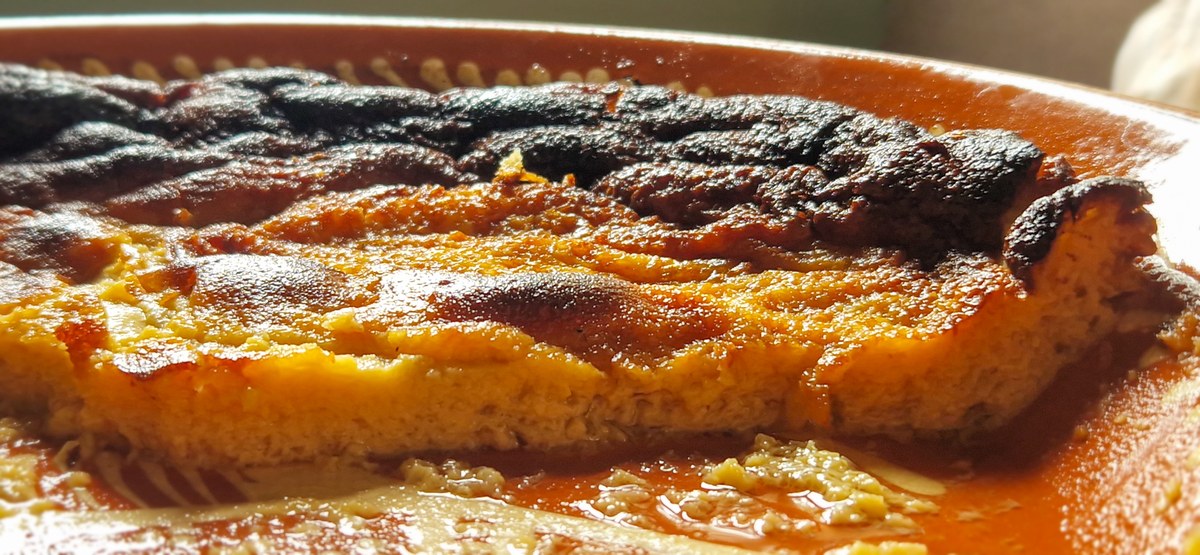
Tigelada: the dessert baked in the village bread oven, after the bread
The oven has just given up its bread. The vault is still glowing, the embers pushed to the back: that exact moment is…
Brisas do Lis: the Leiria cake that had to change its name
They were called the little kisses of the Lis, until the jokes at the counter forced Leiria to find another name. The…
Find our artisan pastries in our Brussels stores or order online.
Order now Our foodtruck for your events Our stores