
Pão de Deus: The Bun That Smells Like Every Portuguese Morning
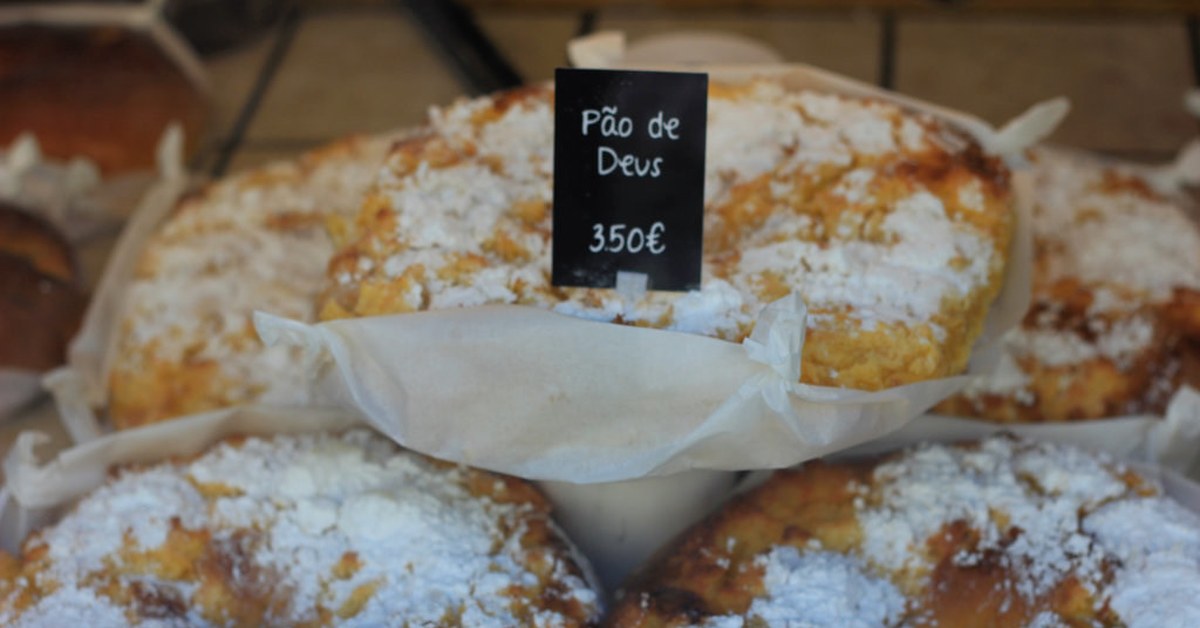
Warm crumb, almost stretchy when you tear it open, topped with a soft, lightly golden layer of coconut: that's often the very first thing you eat in Portugal, standing at the counter of a pastelaria, a strong coffee close by. Pão de Deus, literally "God's bread," is far from solemn, though. It's an everyday bun, from every neighborhood, for every generation.
Its story goes back to the early twentieth century: a bread dough enriched with egg and sugar, topped before baking with a sweet mix of grated coconut, sugar and egg whites. Exactly where it was first baked is not documented, but this simple bun has become one of the country's most beloved. You'll still find it today on every counter, from the corner café to the grand pastry houses of Chiado, always in the same spot, right by the till, so you can grab one without really stopping.
What makes a good pão de Deus isn't its shape (round, slightly flattened, sometimes scored with a cross before baking) but the balance between the crumb, which should stay soft and lightly brioche-like, and the coconut topping, which should crackle just faintly on top without ever drying out. You can tell a bad one in a single bite: too dry, and the coconut crumbles into powder; too wet, and it slides right off. A good one gets eaten in silence, eyes half-closed, with that plain satisfaction of things that don't need to be complicated to be perfect.
We don't make pão de Deus at Wooly. But we love what it stands for: not a showcase pastry, not a rare treat, just the bun you eat on an ordinary Tuesday morning in Lisbon, the one the neighbourhood baker kneads fresh that morning, lets rise as long as it needs and tops by hand, without rushing the job.
Next time you're in Portugal, set the pastel de nata reflex aside, just this once, and try this small coconut bun that has been carrying the most ordinary Portuguese mornings for over a century. More often than not, it's in these small habits, rather than in the grand pastries, that a country's true taste lives.
Photo : mapa.mundi, CC BY-SA 2.0, via Flickr
Read next
The Pastel de Tentúgal, Portugal's Most Delicate Pastry
It cracks before you've even touched it: paper-thin pastry, warm egg cream spilling out. Meet the pastel de Tentúgal,…
Morgado: the Algarve's Hand-Sculpted Fig and Almond Secret
A hand presses a small ball of almond paste, folds it closed around a dark, fragrant filling. That's how a morgado is…
Farturas: The Fairground Pastry That Lights Up Portugal's August Nights
The oil hisses, a long ribbon of batter spirals down into the fryer, curls back on itself, browns unevenly, and cracks…
Ovos Moles: The Convent Sweet Aveiro Never Stopped Making
A wafer shell so thin it's barely thicker than a sheet of paper, cracking under your teeth before a deep golden cream…
The Sardinhada: Lisbon's Summer Ritual of Grilled Sardines
A grill set right on the cobblestones. A cloud of oily smoke curling up between two façades strung with paper garlands.…
Bolo de Arroz: The Little Cake Standing Between Lisbon and the Loss of Its Cafés
Standing at the counter, an espresso gone in three sips, a small golden cake in hand: that's the most ordinary, most…
Ginjinha: The Tiny Cup That Sums Up Lisbon
The first time, someone hands you a plastic cup barely bigger than a thimble. You knock it back in one go, standing on…
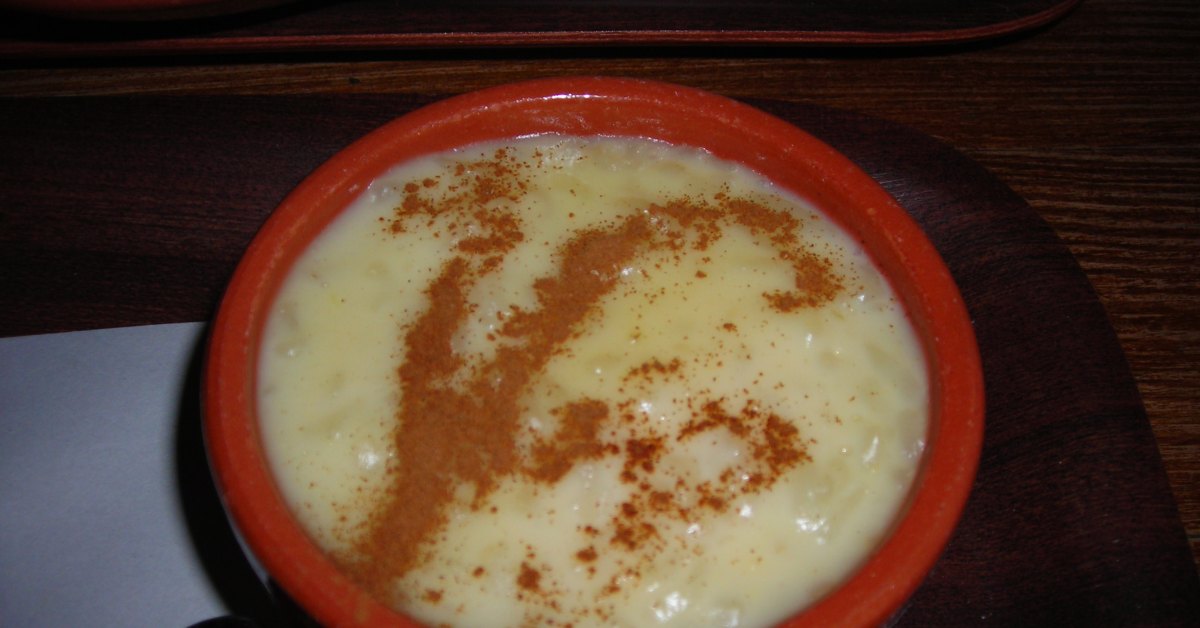
Arroz Doce: The Portuguese Rice Pudding That Ends Every Family Table
I still remember the first time someone handed me a bowl still faintly warm, with a fan of cinnamon traced across the…
Find our artisan pastries in our Brussels stores or order online.
Order now Our foodtruck for your events Our stores