
Rabanadas: the slice of bread Portugal served to new mothers
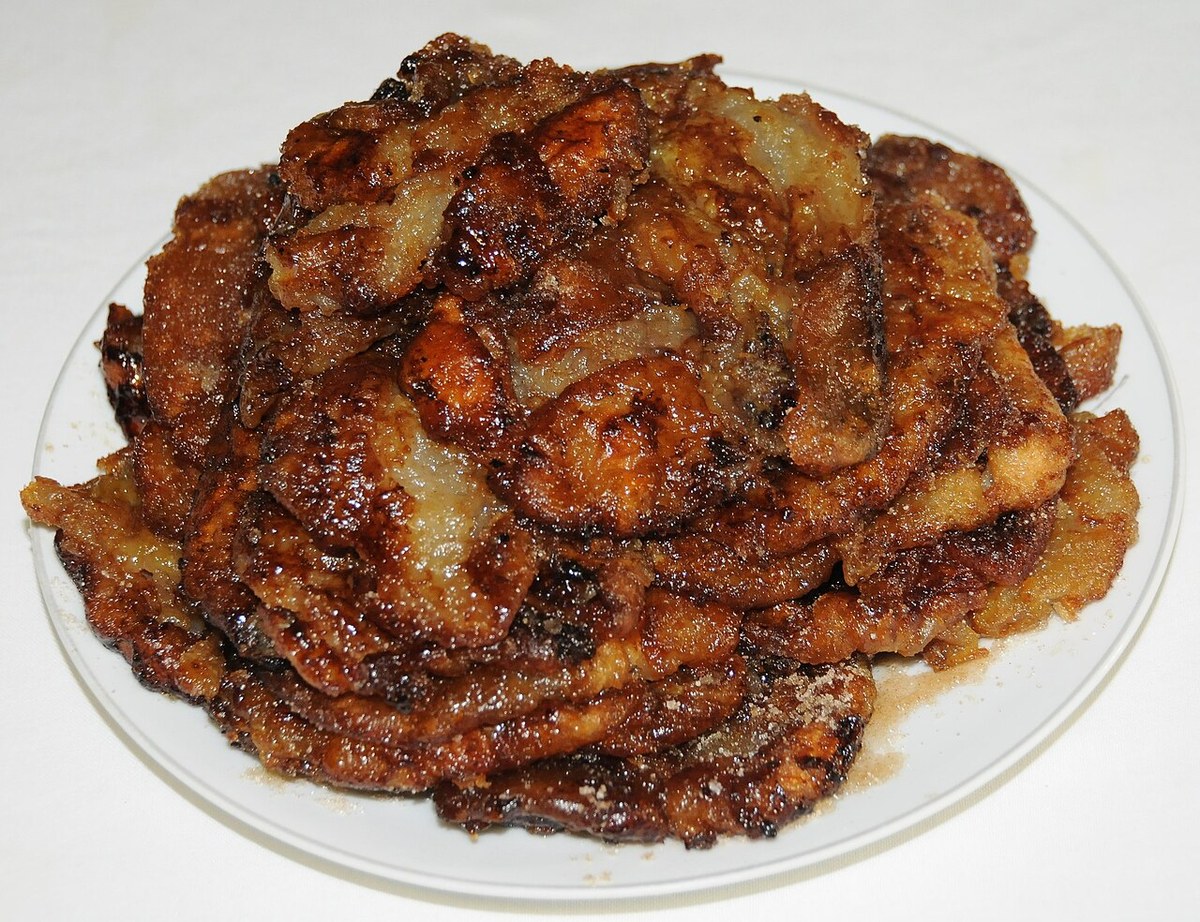
The bread is two days old, a little hard, and that is exactly right. You cut it into thick slices, let it drink sweetened milk, pass it through beaten egg, and the pan does the rest: a golden crust, a tender middle, cinnamon on top. In Portugal this slice is called rabanada at Christmas, but it has other names too, one of which says who it was meant for: fatia de parida, the slice for a woman who has just given birth.
Yesterday's bread, milk, an egg
The principle fits in one sentence: a slice of bread soaked, coated in egg, fried, then sweetened. The bread matters more than anything else. A piece in the Portuguese daily Observador names the molete, a small wheat roll, and says it should be a day or two old. The food blog Taste of Lisboa also mentions the cacete and the pão de água. Fresh bread would collapse in the milk; stale bread holds it.
In the most common version the soak is sweetened milk flavoured with lemon zest and cinnamon. After the pan, the slice is rolled in sugar and cinnamon, or covered in a lemon syrup. These are home-kitchen gestures with nothing scholarly about them, and that is their strength: what sits in the pantry is enough.
Fatias de parida: the slice for new mothers
Depending on the region, the rabanada is also called fatia dourada (golden slice), fatia de ovo (egg slice) or fatia de parida. That last name comes from parida, a woman who has just had a baby: she was served this sweet of bread, milk and eggs to help her regain her strength. The sources we consulted agree on this custom; none gives a date for its beginnings, and we will not invent one.
A recipe older than Portugal
João Faria, president of the Confraria da Rabanada, quoted by Observador, places the oldest known recipe with Marcus Gavius Apicius, a Roman gourmet of the first century: bread soaked in milk, turned into a dessert. Giving hard bread a second life is therefore a very old idea, and it has travelled a lot. Germany has its arme Ritter, the "poor knights", from the same family. What Portugal added, according to Taste of Lisboa, is the Christmas appointment, under the influence of convent pastry and a rural kitchen that threw nothing away.
Wine in the north, sugar in the south
According to the same source, the recipe changes from one region to the next. In the north the slices are thicker and the syrup sometimes receives port. In the Minho and in Trás-os-Montes, people make rabanadas de vinho, soaked in red wine instead of milk. In the south the fatias douradas are usually served dry, simply rolled in sugar and cinnamon. Observador also cites the rabanada poveira, from Póvoa de Varzim, which inspired the recipe of a Lisbon restaurant.
A slice you prepare the day before
At Christmas the rabanada is a dessert of the consoada, the meal on the evening of 24 December. According to Taste of Lisboa, it is often prepared ahead and tastes better the next day, once the syrup has had time to soak into the crumb. It is served late, after midnight Mass or the exchange of gifts. Observador notes that it no longer belongs to December alone: some restaurants offer it all year.
In Brussels, at Wooly
We do not claim to have rabanadas in our window: that is not what this article is about. They belong to the family table, like the filhós and sonhos we told you about yesterday. But cinnamon, lemon and eggs turn up all over Portuguese pastry. In Brussels, our shops in Etterbeek, Stockel, Uccle and Waterloo serve the pastel de nata, and all four addresses are gathered on a single page.
Photo : José Conçalves, Wikimedia Commons, licence CC BY-SA 3.0.
Read next
Filhós and sonhos: two fried balls, two doughs, one Portuguese Christmas
A golden ball dusted with cinnamon, picked up with your fingertips from the Christmas table. In Portugal it is a filhó…
Pudim Molotof: the egg-white dessert named after a fortress
A cloud in a mould, caramel running down the sides, almost nothing under the spoon. Pudim Molotof has two stories: the…
Aletria: the dough threads the Moors left on the Christmas table
First you look: cinnamon draws diamonds across a tender yellow. Aletria is made of dough threads that came from…
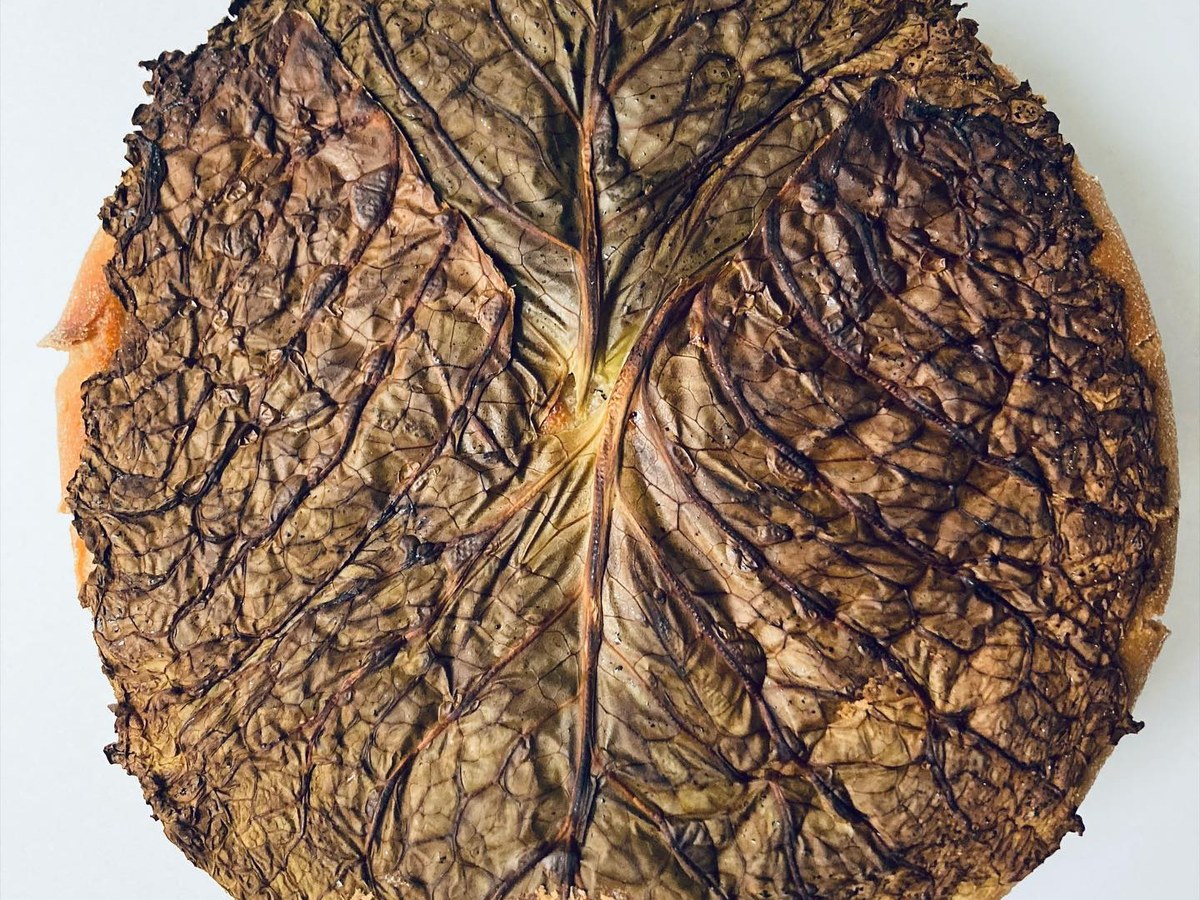
Broa de Avintes: the bread women rowed across the Douro to sell
It comes out of the oven dark, damp and almost crustless. Broa de Avintes, made of white corn and rye, once crossed the…
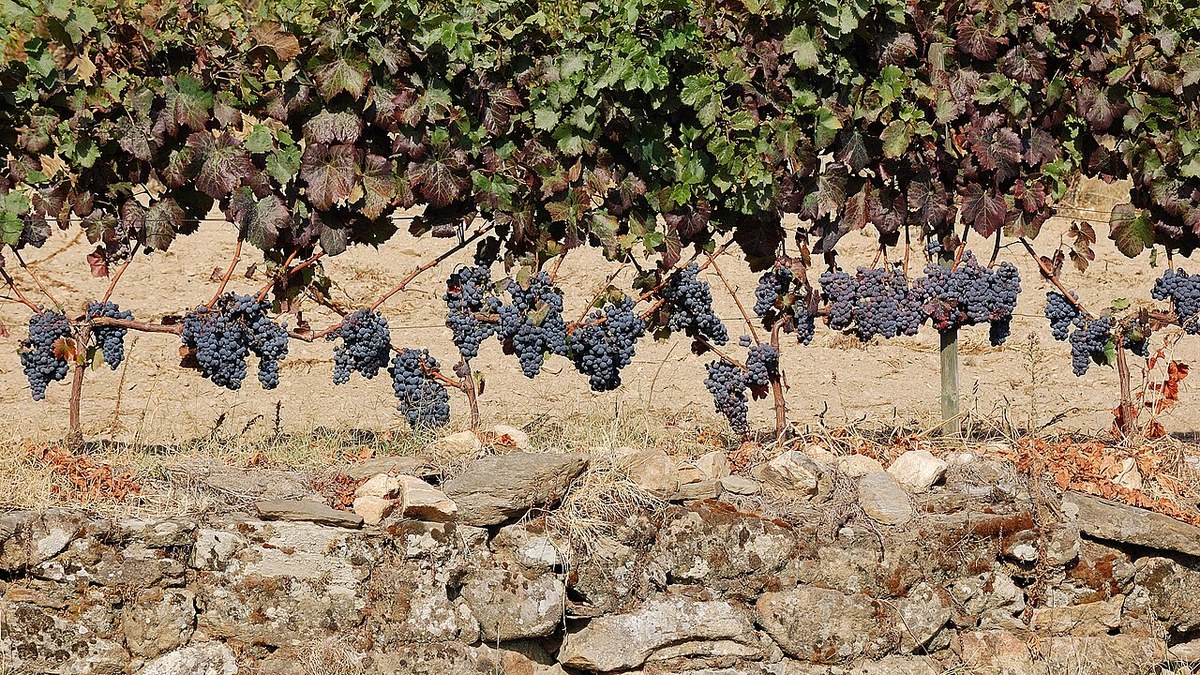
Água-pé: the water poured on the grape skins, served on St Martin's Day
It is poured into a plain glass, a hot chestnut in the other hand. Água-pé is the water poured on the grape skins after…
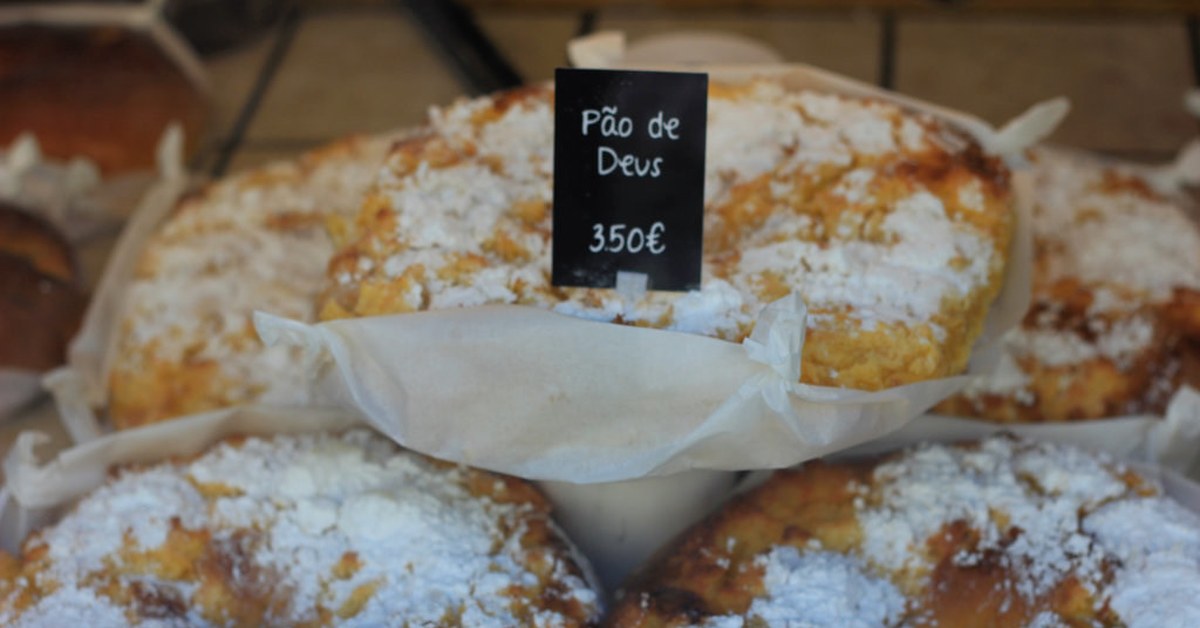
Pão por Deus: the Portuguese children who knock on doors on 1 November
A small cloth bag and a phrase called out at every door: on 1 November, Portuguese children ask for « Pão por Deus ».…
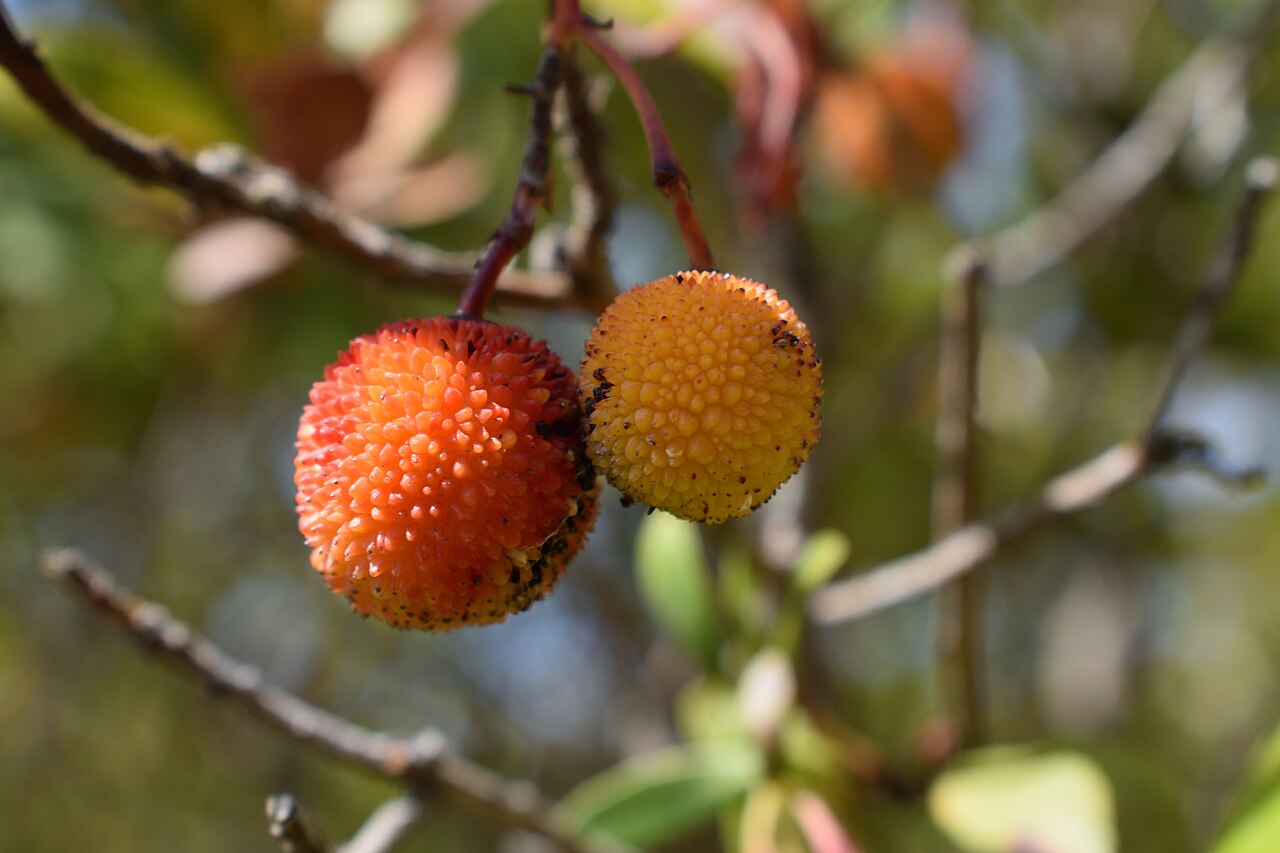
Medronho: the rough little fruit of the Algarve that ripens as autumn begins
At the end of September, in the hills of the Algarve, a small rough fruit turns from yellow to orange, then red. The…
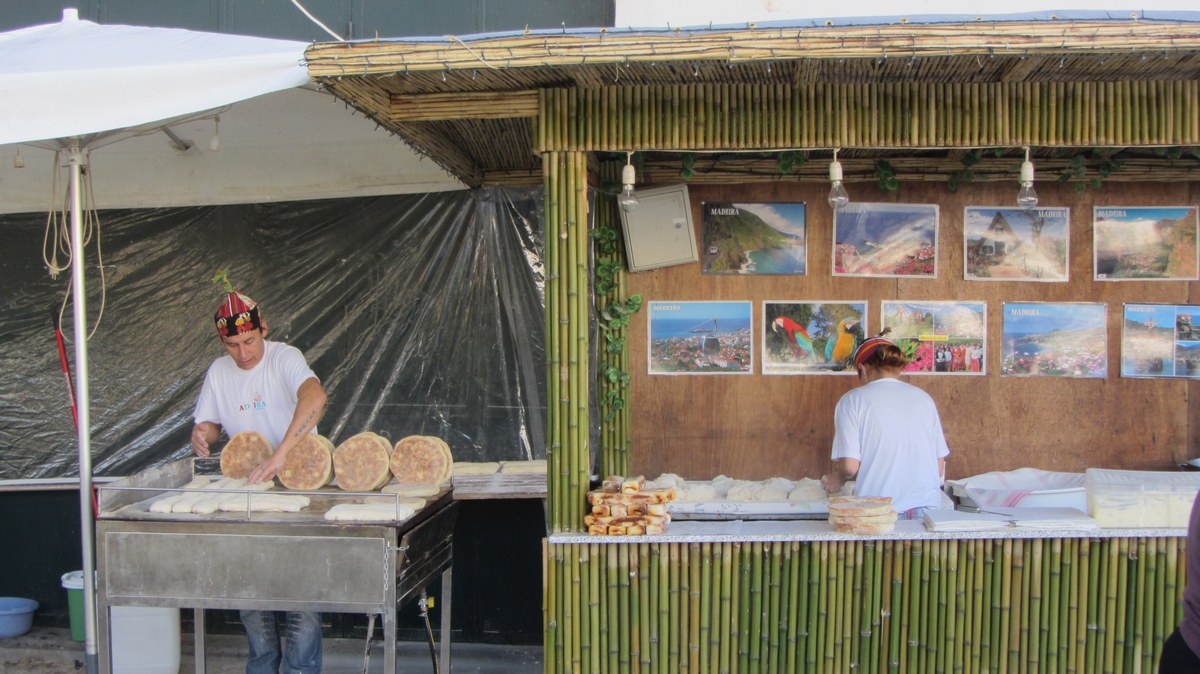

Bolo do caco: the Madeiran bread named after its stone
Cooked on a slab of volcanic basalt, kneaded with sweet potato for want of wheat, spread with garlic butter: Madeira's…
Find our artisan pastries in our Brussels stores or order online.
Order now Our foodtruck for your events Our stores