
Barriga de freira: the nun's belly sweet from Portugal
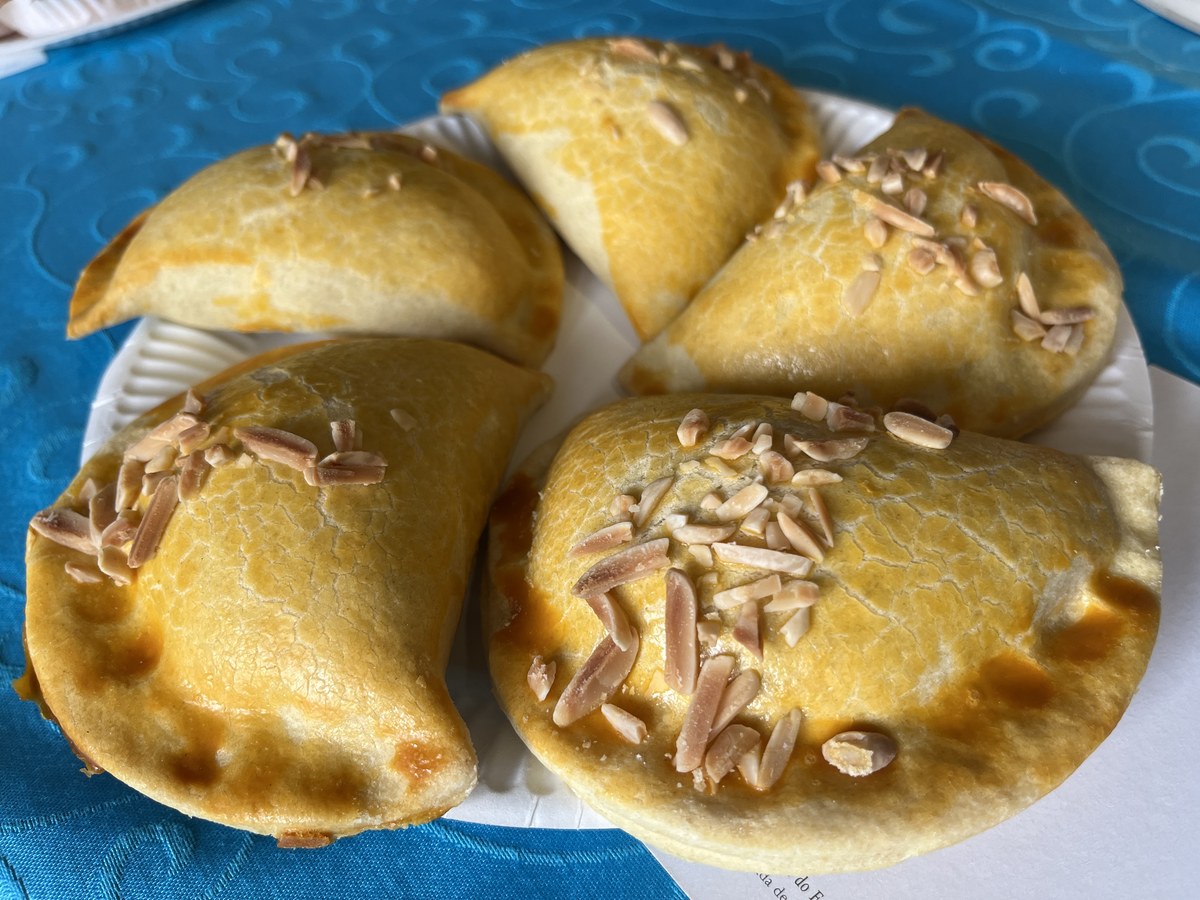
It takes a little nerve to order a dessert called "nun's belly". In Portugal it appears on feast days, served in a small bowl and dusted with cinnamon, and most people who eat it never think about the name.
The name is a joke, and a joke from the convent. According to the Portuguese Wikipedia, it comes from the character of convent desserts, made with egg yolks, sugar and whatever a monastery kitchen had to hand. The ingredients are not mysterious. The tone of the name is what gives it away: nuns and their sweets have always made people smile.
Perhaps a convent near Coimbra
The exact origin remains unclear. The same page links the sweet to the convent of Santa Ursula, near Coimbra, which is said to have been built at the start of the 13th century. It is a lead, not proof, and it should be read that way.
The context is better documented. In the 15th century sugar became more available in Portugal and the convents took it up; in the 16th century almost every monastery and convent practised confectionery, according to the English-language page on conventual sweets. The nuns earned an income from it, and the skills passed from one house to another.
Then the religious orders were dissolved in the 19th century. The convent gates closed, but the recipes did not disappear: they left the walls and reached family kitchens, village festivals and, later, the windows of pastry shops.
A recipe that takes its time
Barriga de freira is not improvised. A sugar syrup is prepared, then the egg yolks, almonds, cinnamon and pieces of bread are added. The mixture has to thicken over low heat for about forty-five minutes. That is where everything is decided: too fast and the eggs curdle; too slow and the sweet stays runny.
The bread plays a part that is often forgotten. It gives body and soaks up the sugar, which is what gives the sweet its velvety texture, very different from a plain custard.
It is served in small bowls, warm or cold, with ground cinnamon on top. Some households add grated coconut, others a red-fruit coulis. The classic version is the closest to what is told about the convents: almost nothing, and a lot of patience.
Why this sweet speaks to the diaspora
For the Portuguese community in Belgium, this kind of dessert recalls a kitchen of feasts and Sundays, where a sweet is made not to impress but to bring people together. It is made for a family, a neighbour, a meal that goes on a little longer.
At Wooly, the pastry closest to that spirit is the pastel de nata, the egg-custard tart we make in our shops in Etterbeek, Stockel, Uccle and Waterloo. To taste the convent heritage without waiting for a celebration, the pastel de nata category brings together our creations, and details of home delivery in Brussels are on a dedicated page.
For another convent story, read our article on the ovos moles of Aveiro, another sweet born of egg yolks and patience. And if you pass one of our shops, find our addresses and opening hours.
This sweet does not need a journey to be understood. A saucepan, a wooden spoon and a little time are enough: the rest, as in the convent, takes care of itself.
Sources: Wikipedia (pt), “Barriga de freira” ; Wikipedia (en), “Conventual sweets”.
Photo: Pimfa, “Cinco Barrigas de Freira”, Wikimedia Commons, CC0 (public domain).
Read next
Queijinhos do Céu: the heavenly cheese made with neither milk nor cheese
A small white disc wrapped in paper cut like lace, and yet not a crumb of cheese. The queijinhos do céu come from the…
Pão de ló from Alfeizerão: the cake of the Lisbon–Porto road
On the Lisbon–Porto road, drivers used to stop at Alfeizerão for a pão de ló sold ready-wrapped. With no one at the…
Bolinhos de chuva: the fritter made for rainy days
All it takes is a grey sky over Brussels to get the kitchen going. Runny batter, a spoon, hot oil, and golden fritters…
Azulejos in Portuguese pastelarias: the painted tiles that keep Lisbon's cafés
In many pastelarias in Lisbon, your eyes end up looking up at the walls. The painted tiles that cover them have a…
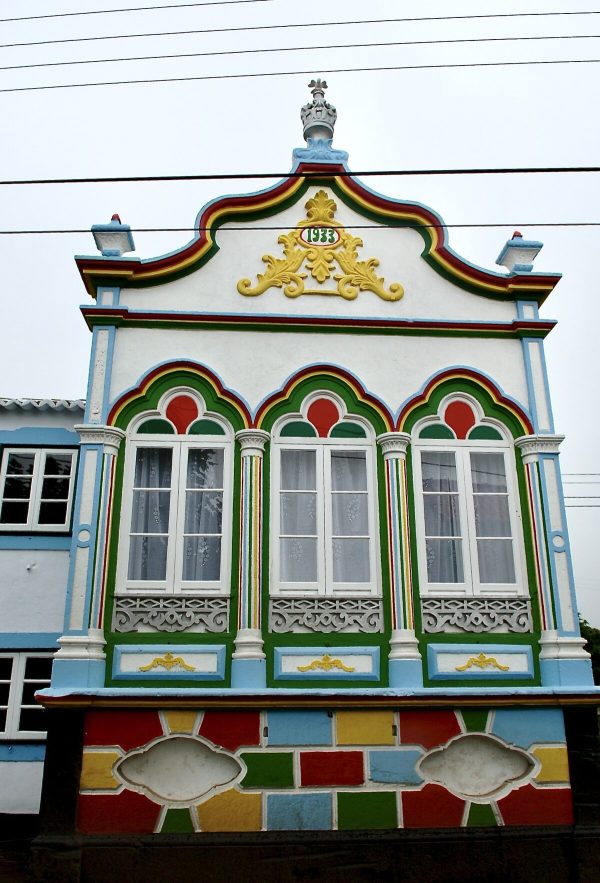
Impérios in the Azores: the house where sweets go to auction
On the island of Terceira, the Holy Spirit feast has its own houses, the impérios. An offering waits there until it is…
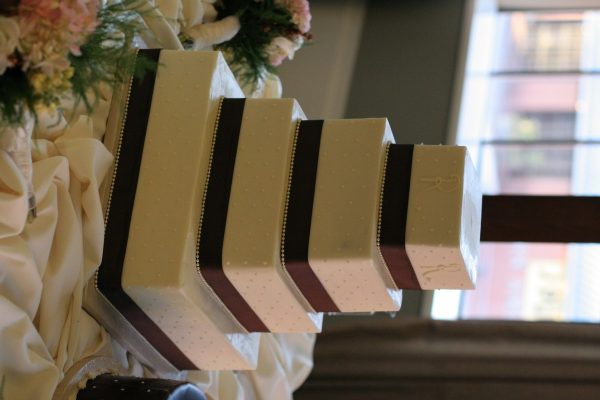
Bolo de noiva: the Portuguese wedding cake kept for a year
In Portugal the wedding cake has one more job than the others: a slice is kept for the first anniversary. A tradition…
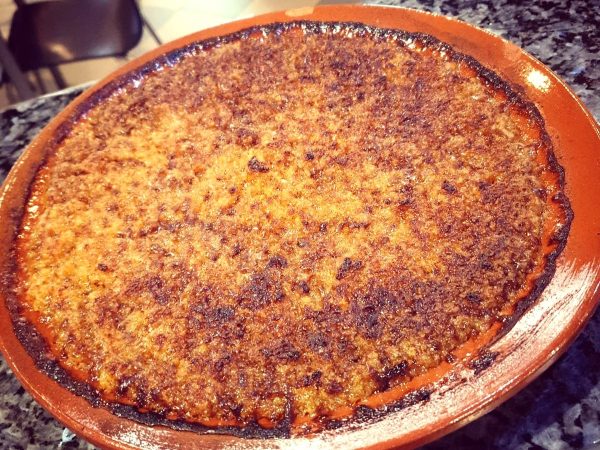
Encharcada: the Évora sweet whose convent origin may be a legend
Egg yolks cooked in syrup, then browned, served in earthenware. Encharcada from Évora takes its name from the word for…
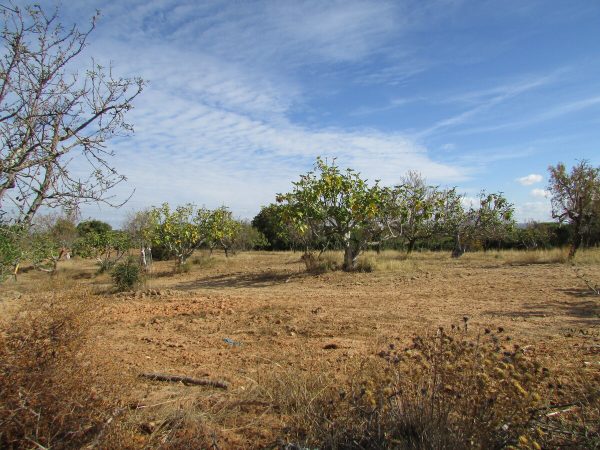
Figos cheios de Olhão: the stuffed fig fishermen took to sea
At the start of November, dried figs change face in the villages of the Algarve. Split open, filled with almond,…
Find our artisan pastries in our Brussels stores or order online.
Order now Our foodtruck for your events Our stores