
Pão de ló from Alfeizerão: the cake of the Lisbon–Porto road
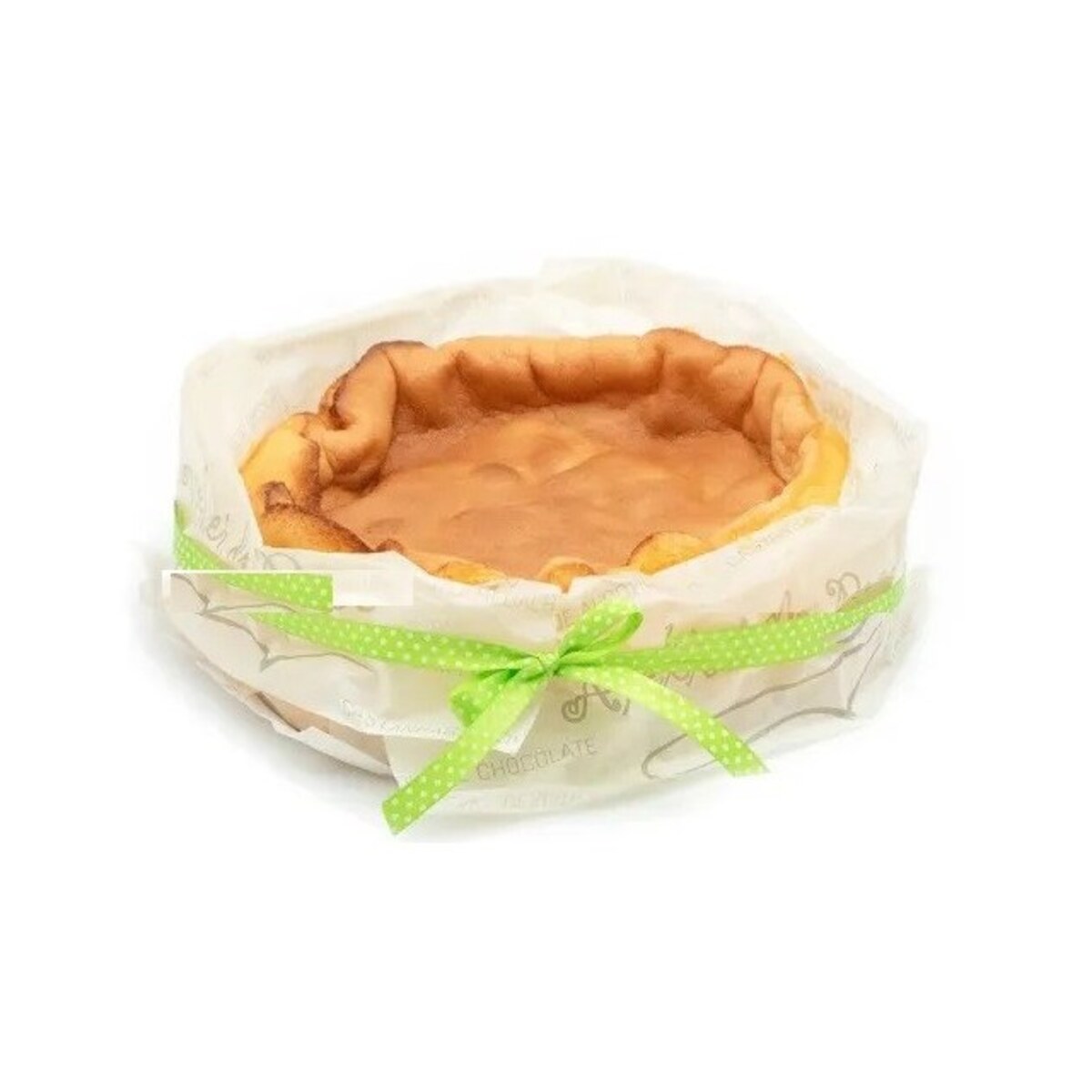
Some cakes are bought without anyone ever asking where they come from. The pão de ló of Alfeizerão is one of them: a golden crust, a soft crumb, a scent of egg yolk that does not hide. Yet its story begins in a monastery and ends at a counter where people paid on trust.
A Cistercian monastery, perhaps
The official notice of the “Produtos Tradicionais Portugueses”, published by the DGADR, says it plainly: the history of this cake “is lost in time”. It is thought to have been born at the monastery of Santa Maria de Cós, near Alcobaça, from recipes made by nuns whose culinary skill set the standard in the region. The village of Alfeizerão is considered the heir of that recipe.
The version told most often locally is more precise, and more fragile. Nuns, or women who worked at the monastery, are said to have taken refuge in the village. They were welcomed by the family of Amália Grilo, to whom they are said to have passed on the recipe. The Gazeta das Caldas reports this version in the conditional: it is told, but it is not dated.
A secret in the hands of a priest
The secret eventually reached the parish priest, Padre João Matos Vieira. During the 1910 revolution, which shook the country, he began making the cake and selling it with his family and friends, in order to survive. This passage also comes from the DGADR notice.
The road, the drivers and the counter with no one behind it
The Lisbon–Porto road then ran through Alfeizerão. Drivers got into the habit of stopping there. In their slang, the cake had another name: the “Pão-de-Ló do Preto”. The notice explains the nickname by two small figures painted black beside the shop door.
The most surprising part is how people paid. If the seller was not there, the customer took the cake already wrapped and sealed, then left the money on the counter. The DGADR describes this honesty as rare “nowadays”. That trust is as much a part of the cake's history as its recipe.
From the family workshop to Café Ferreira
Production eventually came to centre on the Ferreira family. Café Ferreira, opened in 1947 by the daughter-in-law of Amália Grilo, now presents itself as one of the heirs of this tradition. Before that date, according to the same Gazeta das Caldas, the family had already been making the cake for almost twenty years, under the company name A. Ferreira & Companhia.
What this cake teaches us
A pão de ló does not need a legend to be good. Its crumb depends above all on how the eggs are beaten and on the moment the cake leaves the oven. The steps and the mistakes that ruin a pão de ló are explained one by one in our article on pão de ló.
A pão de ló from Alfeizerão in Brussels
At Wooly Pâtisserie in Brussels, the pão de ló is on our menu as Pão de Ló de Alfeizerão. Our Portuguese pastry chefs make it, and our shops in Etterbeek, Stockel, Uccle and Waterloo can tell you whether it is available. We do not claim our cake comes from a convent: the story above belongs to the village, and we tell it as our sources report it.
To discover more of our Portuguese cakes, find our shops and come and see us.
Sources: DGADR, “Produtos Tradicionais Portugueses: Pão-de-Ló de Alfeizerão”; Gazeta das Caldas, “Pão de Ló é o ex-libris e também um motivo para paragem em Alfeizerão”.
Photo: Wooly Pâtisserie.
Read next
Bolinhos de chuva: the fritter made for rainy days
All it takes is a grey sky over Brussels to get the kitchen going. Runny batter, a spoon, hot oil, and golden fritters…
Azulejos in Portuguese pastelarias: the painted tiles that keep Lisbon's cafés
In many pastelarias in Lisbon, your eyes end up looking up at the walls. The painted tiles that cover them have a…
Impérios in the Azores: the house where sweets go to auction
On the island of Terceira, the Holy Spirit feast has its own houses, the impérios. An offering waits there until it is…
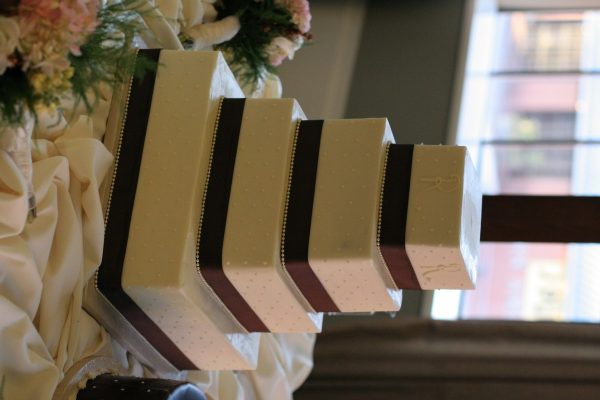
Bolo de noiva: the Portuguese wedding cake kept for a year
In Portugal the wedding cake has one more job than the others: a slice is kept for the first anniversary. A tradition…
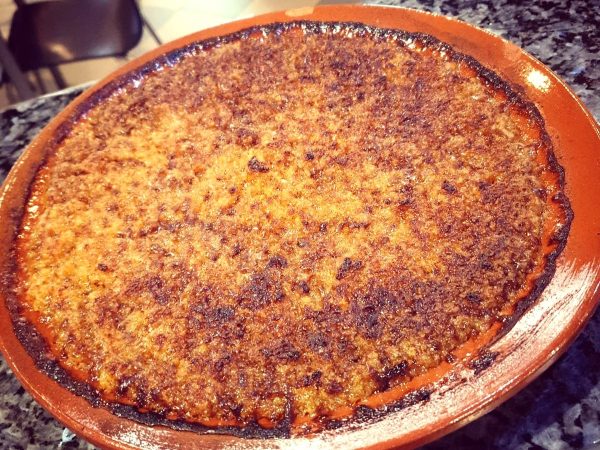
Encharcada: the Évora sweet whose convent origin may be a legend
Egg yolks cooked in syrup, then browned, served in earthenware. Encharcada from Évora takes its name from the word for…
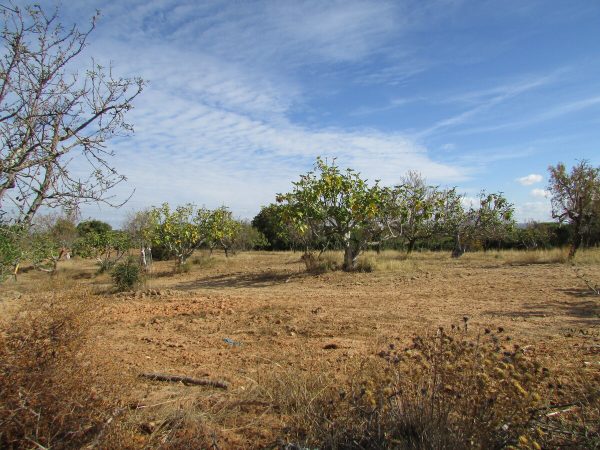
Figos cheios de Olhão: the stuffed fig fishermen took to sea
At the start of November, dried figs change face in the villages of the Algarve. Split open, filled with almond,…
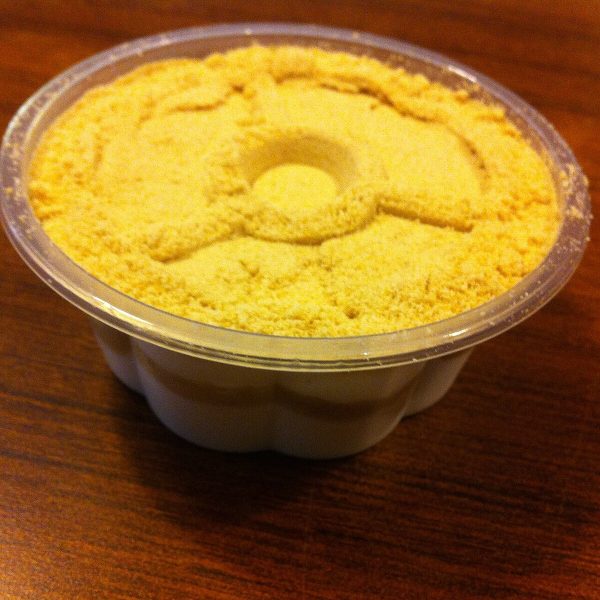
Serradura: the dessert named after sawdust, from Macau or Portugal
A spoon slides through the cream, and the biscuits soften without quite giving up their shape: serradura is eaten…
Rosquilha d'Argozelo: the Easter ring that keeps a village alive
It is shaped by hand into a ring and baked in a wood oven. In Argozelo, a small village in Trás-os-Montes, the…
Find our artisan pastries in our Brussels stores or order online.
Order now Our foodtruck for your events Our stores