
Queijinhos do Céu: the heavenly cheese made with neither milk nor cheese
The first one you see looks like a small round white cheese, sitting in its paper. You cut it open and there is no curd and no rennet. Underneath is a thick cream of egg yolks and sugar, wrapped in a thin almond dough.
That is the queijinho do céu, the "little heavenly cheese". The name puzzles anyone who has never tasted it: no milk goes into the recipe, and the cheese is only the shape. It is moulded by hand, the way you would shape a small cheese, and the shape is the only cheesy thing about it.
A convent recipe without milk
The doces conventuais, the sweets born behind convent walls, rest on two ingredients that were never in short supply: eggs in abundance, and sugar. The DGADR, the Portuguese agency that catalogues traditional products, describes the queijinho do céu as a mass of grated almond, egg whites and sugar, filled with a doce de ovos, a cream of yolks and sugar. The whole forms a disc about five centimetres across, with a whitish colour.
The paper matters as much as the dough. Each piece is wrapped separately in cut tissue paper, a sort of white lace. The pieces are then packed by the dozen in a cardboard box. The DGADR places this product in the Lisbon and Vale do Tejo region, the valley of the Tagus.
Santarém and the Dominican nuns, according to the recipe
A Portuguese cooking website that publishes this recipe credits its creation to the Dominican nuns of the convent of São Domingos das Donas, in Santarém. In that account the name comes from its convent origin: the céu, the sky, points to Christian devotion, while the white cut paper and the round shape give the queijinho, the little cheese.
It is worth saying what kind of source this is: a recipe published online, not an archive. It gives the quantities (fifteen yolks, two hundred and fifty grams of sugar, one hundred and fifty millilitres of water) and cooks the sugar to the "ball" stage, but it cites no dated document from the convent. The attribution therefore remains a story passed down, and should be read as one.
Constância, where no register exists
In Constância, a small town in the Médio Tejo, the queijinho has a history of its own, and it does not quite match Santarém's. Manuela Arsénio took up this sweet in 2014 without owning the recipe. She began with trials, based on recipes printed in specialist books, and some of the town's cooks pointed out the faults in her first attempts.
Ask her how the sweet reached Constância and she answers without hesitation: there is no register. The local accounts, reported by the online paper mediotejo.net in 2019, offer several. A priest's servant may have brought the recipe. Nuns may have stayed in the town for a while and taken their know-how with them. A more recent version credits the Poor Clares, but Manuela considers it wrong, since those sisters have only been settled at Montalvo since the 1980s.
What stands out is how the recipe was handed down. In the past, the women who made the queijinho each wrapped it in their own way, and the fold of the paper served as a signature. Manuela has hers. She also explains that the tradition rests on a sense of discretion: the families who still hold the recipe do not pass it outside the family circle.
A sweet that does not keep long
The mediotejo.net article gives the queijinho a shelf life of around fifteen days, so it is a sweet to eat soon. Manuela Arsénio makes up to nine dozen a day, by hand, and works mostly to order. She supplies a few outlets in the area, in Entroncamento, Barquinha, Abrantes and Constância, and showed her sweets at the Feira Nacional de Doçaria Tradicional in Abrantes.
Why this sweet speaks to us in Brussels
The queijinho shows what Portuguese pastry is made of: eggs, sugar, a convent story and a way of working by hand. It looks nothing like a mass-produced celebration cake or a Belgian pastry window, and that is exactly why it matters: every piece carries the mark of the person who shaped it.
At Wooly, our four shops in Etterbeek, Stockel, Uccle and Waterloo make our Portuguese pastries by hand. The pastel de nata remains our way in: you can order it on our pastel de nata page, and we deliver to your door in Brussels under the conditions set out on the home delivery page. If you want to go further into convent sweets, our article on the toucinho do céu continues the story. You can find our shops and their opening hours on the stores page.
Sources: DGADR, "Produtos Tradicionais Portugueses: Queijinhos do Céu" ; Paula Mourato, mediotejo.net, "Constância: provar, ir ao céu e voltar para repetir" ; Berenice, Cozinha Tradicional, "Receita de Queijinhos do Céu (Santarém)".
Read next
Pão de ló from Alfeizerão: the cake of the Lisbon–Porto road
On the Lisbon–Porto road, drivers used to stop at Alfeizerão for a pão de ló sold ready-wrapped. With no one at the…
Bolinhos de chuva: the fritter made for rainy days
All it takes is a grey sky over Brussels to get the kitchen going. Runny batter, a spoon, hot oil, and golden fritters…
Azulejos in Portuguese pastelarias: the painted tiles that keep Lisbon's cafés
In many pastelarias in Lisbon, your eyes end up looking up at the walls. The painted tiles that cover them have a…
Impérios in the Azores: the house where sweets go to auction
On the island of Terceira, the Holy Spirit feast has its own houses, the impérios. An offering waits there until it is…
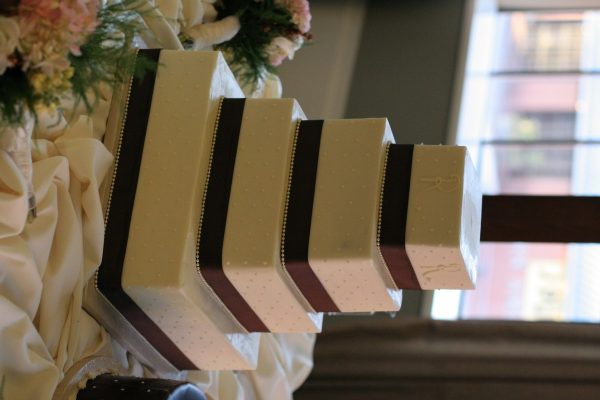
Bolo de noiva: the Portuguese wedding cake kept for a year
In Portugal the wedding cake has one more job than the others: a slice is kept for the first anniversary. A tradition…
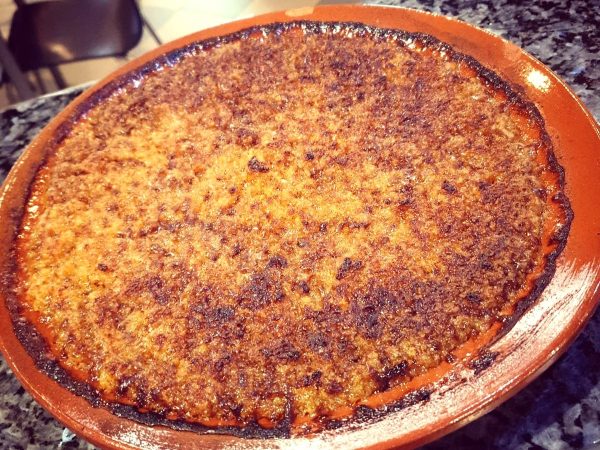
Encharcada: the Évora sweet whose convent origin may be a legend
Egg yolks cooked in syrup, then browned, served in earthenware. Encharcada from Évora takes its name from the word for…
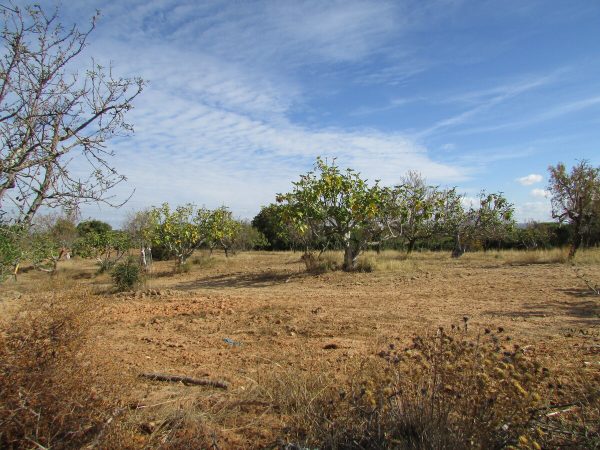
Figos cheios de Olhão: the stuffed fig fishermen took to sea
At the start of November, dried figs change face in the villages of the Algarve. Split open, filled with almond,…
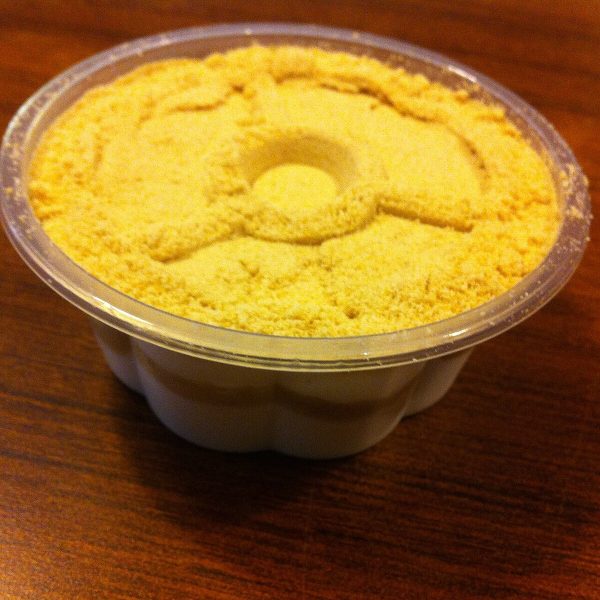
Serradura: the dessert named after sawdust, from Macau or Portugal
A spoon slides through the cream, and the biscuits soften without quite giving up their shape: serradura is eaten…
Find our artisan pastries in our Brussels stores or order online.
Order now Our foodtruck for your events Our stores