
Consoada: the 24 December dinner that began as a broken fast
It starts with the smell of garlic and warm olive oil in the kitchen, and it ends late at night, when nobody remembers to clear the table. In Portugal, the 24 December dinner has a name of its own: the consoada.
A word born from fasting
The word is older than the meal it names. According to the website Amavela, it comes from the Latin consolare, “to console”: it once meant a small meal taken after a day of fasting. Monastic rules imposed many days without meat, and the fast was sometimes broken around midnight with a light meal.
The public broadcaster RTP offers a more precise timeline. The term, it says, only appears in the 17th century, to describe a light meal, often of fish. The custom spread once wealthier families began to eat after the Christmas Eve vigil Mass. For the poorest, especially in the countryside, the night of the 24th was like any other: spent in the cold and often hungry.
Salt cod at the centre of the table
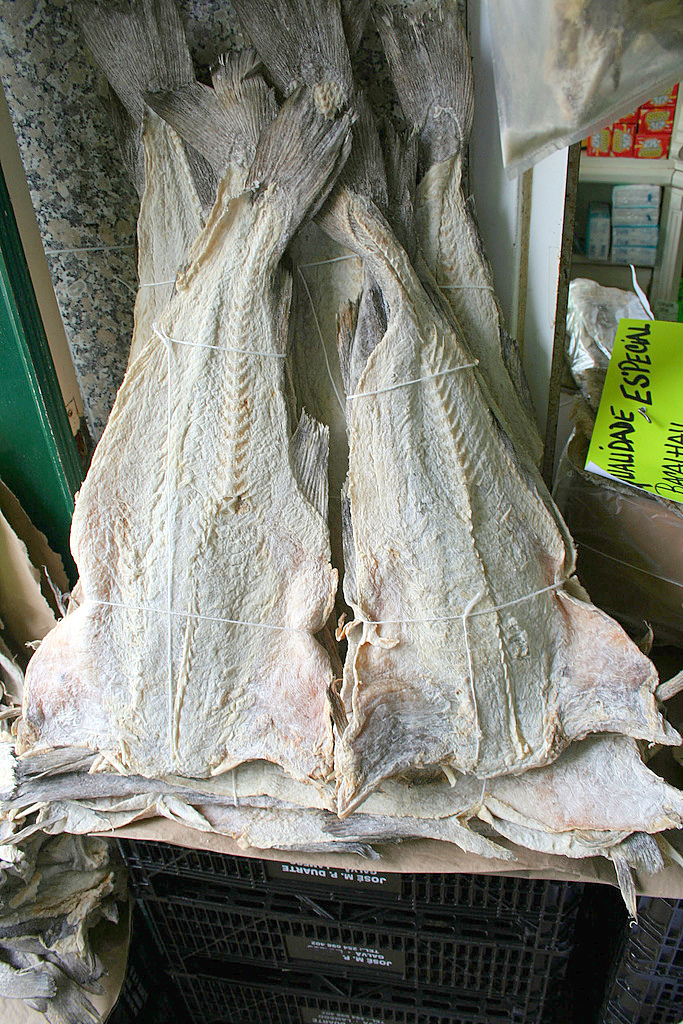
In most homes the main dish is bacalhau cozido com todos: boiled salt cod served with potatoes, cabbage, hard-boiled eggs and chickpeas. Everything is drizzled with plenty of olive oil. Euronews, which devoted a feature to Christmas sweets, reminds readers that salt cod remains the choice of most families on the evening of the 24th. In some regions, especially in the north, polvo (octopus) shares the table or takes its place.
Dried salt cod also needs long preparation: it must soak for days in cold water, with the water changed regularly. That patience, started days in advance, gives the consoada its flavour of a feast prepared from far away.
A table nobody clears
What makes the consoada so special is that it does not end with dessert. RTP describes a persistent tradition: the table is not cleared and the dishes are not washed, and the leftovers stay on the table all night. Some see it as respect for the family’s dead, others as a way of leaving food for the Christ Child, who is said to come and eat.
On 25 December the leftover cod becomes roupa-velha, literally “old clothes”: bacalhau fried in a pan with eggs and potatoes. Nothing is wasted, and the next day’s dish always carries a quiet comfort.
Before midnight Mass
After dinner comes the Missa do Galo, the midnight Mass. Amavela recalls that it traditionally marks the start of Christmas proper. Some families eat before going, others after returning: every household keeps its own order. In church the nativity scene is on display, and at the end of the service each person comes forward in turn to kiss the image of the Christ Child.
Doces that never stop
The sweet part of the consoada is a long table that is grazed on for hours. Euronews sums it up: most Christmas sweets are fried or very sweet, and the temptation lasts all December, until Three Kings’ Day. Among the classics:
- Rabanadas, or fatias douradas in the south and in Lisbon: slices of bread soaked in milk and egg, fried, then dusted with sugar and cinnamon.
- Filhós and sonhos: two fried doughs, one risen and flattened, the other light balls.
- Arroz doce and aletria: rice pudding flavoured with lemon and cinnamon, and fine sweet vermicelli.
- Bolo-rei: the Christmas crown with candied fruit. It appeared in Lisbon at the end of the 19th century and draws on the French galette des Rois.
Euronews puts it plainly: few countries have as wide a range of Christmas sweets as Portugal. Each family has its favourites, but the bolo-rei always keeps its place on the consoada table.
And in Brussels, what changes?
Far from Portugal, the consoada is made with what is available. You soak the cod in a Brussels kitchen just as you would anywhere else, and you make rabanadas with bread from the baker around the corner. What is often missing is the small extra that makes the difference: a pastry that arrives at the table at the right moment.
That is why at Wooly, our shops in Etterbeek, Uccle and Waterloo offer the pastel de nata, to close a festive meal the way a pastelaria in Lisbon would. You can find opening hours and addresses on our stores page, and the full range of our pastéis de nata on its dedicated page.
A good consoada is not measured by the number of dishes. It is measured by the chair left empty for someone, and by the table you do not clear too soon.
Sources: RTP, “Noite de Consoada de Natal” ; Amavela, “Natal em Portugal: tradições, consoada e bolo-rei” ; Euronews, “O mundo infinito (e calórico) da doçaria portuguesa de Natal”.
Photo: Sitomon, Wikimedia Commons, CC BY-SA 2.0.
Read next
Pampilhos: the cake born around 1970 in a Santarém pastelaria
You have probably seen it in a café display case, next to the pastéis de nata, without asking where it comes from. The…
Leite-creme: the festive dessert with a disputed origin
A warm custard, a veil of burnt sugar and a question nobody has settled: where does leite-creme come from? Portugal has…
Galo de Barcelos: the rooster that crowed to save a pilgrim
A pilgrim from Galicia, a judge dining with friends and a roast rooster on the plate. In Portugal people still tell of…
Store pastel de nata: never in the fridge, three minutes in the oven
How long do pastel de nata last? Three to four days, uncovered and never in the fridge. Do pastel de nata need to be…
Broa: the Portuguese bread that was rye before maize arrived
Before it became a maize bread, broa was a rye bread. Its name is older than the American grain, and its history shows…
Doçaria de feira de Vouzela: the doceiras who sold their sweets at fairs
The caladinho breaks under your teeth: dry crust, soft centre, a taste of lemon. In Vouzela, these doces de feira have…
Folar: the Portuguese Easter cake a godparent gives their godchild
On Easter Sunday in Portugal, a cake arrives at the table with a whole egg set on top, cooked in its shell and set in…
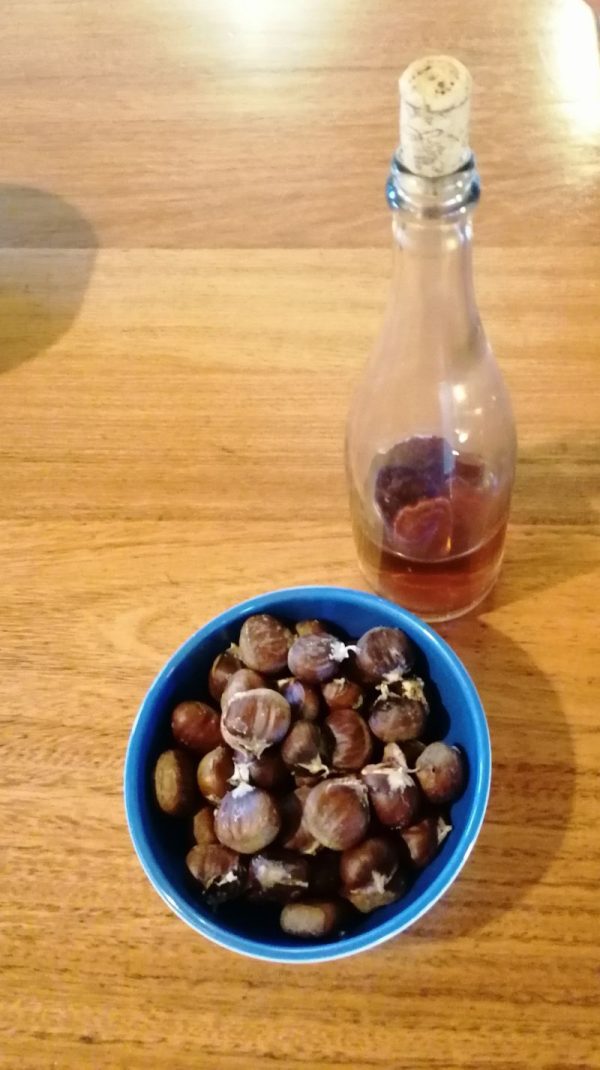
Jeropiga: the sweet wine you stop with brandy, poured at the magusto
Some wines you let ferment and some you stop. Jeropiga belongs to the second group. In Trás-os-Montes it is made in a…
Find our artisan pastries in our Brussels stores or order online.
Order now Our foodtruck for your events Our stores