
Pampilhos: the cake born around 1970 in a Santarém pastelaria
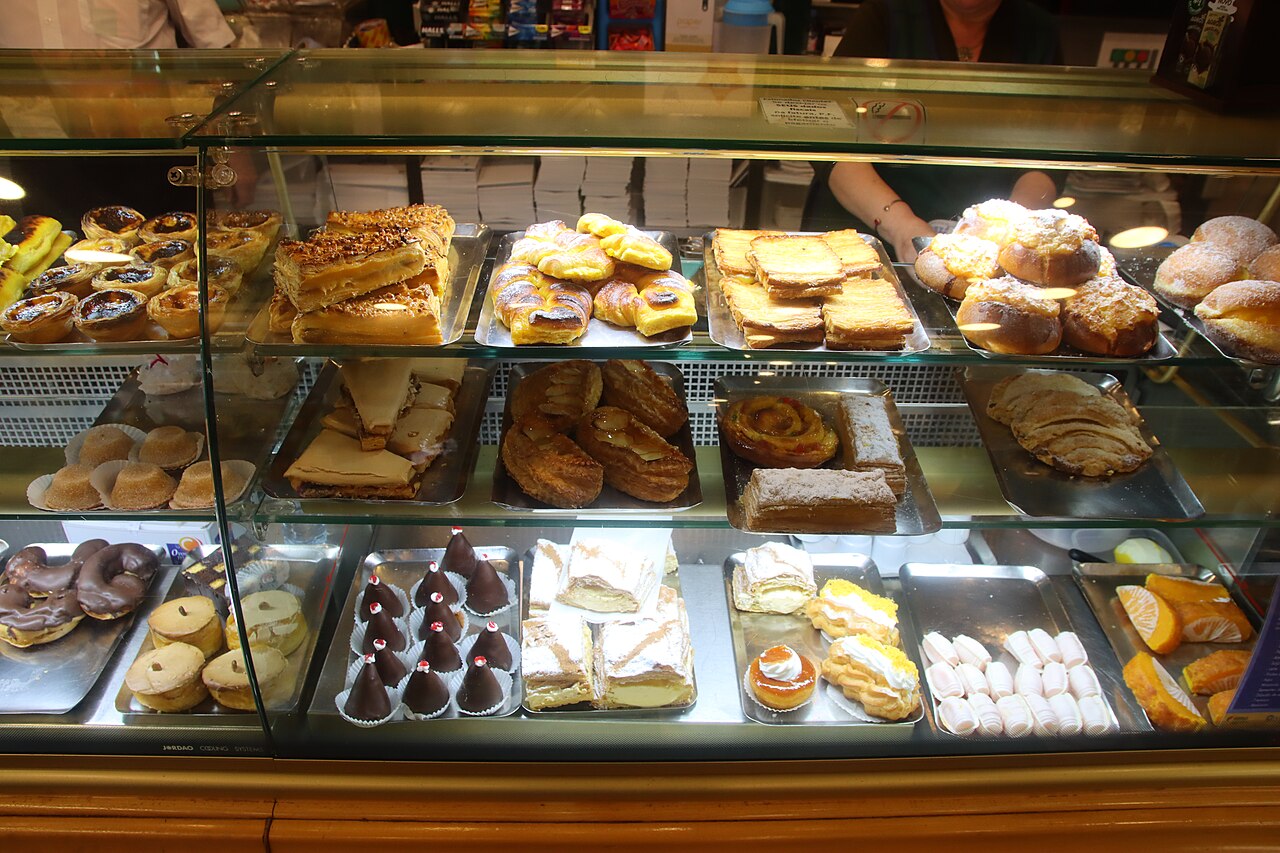
You have probably seen it in a café display case, next to the pastéis de nata, without ever asking where it comes from. The pampilho looks like an eternal classic. It is in fact only a little over fifty years old.
It was born around 1970 at the Bijou pastry shop in Santarém, a town set above the Tagus in the Ribatejo region, east of Lisbon. That is what the doçaria website No Ponto reports, in a full page devoted to the cake. The rest of the story is what stands out: the pampilho spread quickly across the whole country. As the author of the page notes, few people today know where it comes from.
The name, however, is not explained in the source we read. No etymology, no legendary founder. We prefer to say so plainly rather than invent a story that would sound more appealing.
A simple recipe, a dough that is not quite cooked through
According to No Ponto, the recipe is simple, and perhaps that is why the cake travelled so fast. The author credits its success to the dough, which is lightly baked and dense, and which keeps a compact texture at the centre. The taste, he says, is very distinctive: once you have tasted it, you recognise it.
The site files the pampilho among the doces de ovos, the sweets based on egg yolks. The keywords attached to the page are flour, butter and doce de ovos. So few ingredients, and much depends on the gesture: the baking time, and a dough that is allowed to stay soft at the heart.
This is a feature shared by many Portuguese sweets. The same balance between a crust and a centre appears in convent cakes, cream tarts and festive fritters. A recipe that fits in a few words is passed from hand to hand, sometimes without paper, and changes a little in every kitchen.
Three sizes, and a birthday cake
At Bijou, the pampilho is made in three sizes: the miniature, the original size, and the tortas version, which is larger. That last one exists because the shop's customers wanted to serve it as a birthday cake. The little counter pastry became the centrepiece of a family table.
This detail says a lot about how a neighbourhood pastry shop lets a product evolve. It listens to its customers, and a small cake can take on a new place without anyone having meant to change the recipe. The taste stays; only the format changes.
A cake that travels further than its town
The pampilho left Santarém with little baggage: a simple recipe you can make at home, and a dough recognisable at first bite. That is probably why it reached the cafés of the country, and then the display cases where nobody asks any more about its history.
The same path can be seen elsewhere in Portugal. In the Algarve, in the Beira or in the Alentejo, sweets were born in a village, a convent or a pastry shop, and then crossed the country. For another dessert baked in the village's shared oven, read our article on the tigelada.
And in Brussels?
At Wooly, in Etterbeek, Uccle and Waterloo, we work with the pastel de nata, the Portuguese cake that is at the heart of our house. To learn more about our shops and about how this cake came to Brussels, read our article about our shops. Our addresses are online.
Would you like our pastries delivered to your home in Brussels? The home delivery service is explained on its page. The fee depends on the address and the quantity: the page shows how it is calculated. To discover our pastéis de nata, the pastel de nata category gathers the range.
Do drop by, at the end of the day or early in the morning. Our team will tell you what is in the display that day. If the pampilho is not there, there is always a good reason to come back: a story to ask about, and a coffee to share.
Sources: No Ponto, “Pampilhos”.
Photo: Santarém (2022), by Draceane, Wikimedia Commons, CC BY-SA 4.0. An illustration of the town, not of the cake.
Read next
Leite-creme: the festive dessert with a disputed origin
A warm custard, a veil of burnt sugar and a question nobody has settled: where does leite-creme come from? Portugal has…
Galo de Barcelos: the rooster that crowed to save a pilgrim
A pilgrim from Galicia, a judge dining with friends and a roast rooster on the plate. In Portugal people still tell of…
Store pastel de nata: never in the fridge, three minutes in the oven
How long do pastel de nata last? Three to four days, uncovered and never in the fridge. Do pastel de nata need to be…
Broa: the Portuguese bread that was rye before maize arrived
Before it became a maize bread, broa was a rye bread. Its name is older than the American grain, and its history shows…
Doçaria de feira de Vouzela: the doceiras who sold their sweets at fairs
The caladinho breaks under your teeth: dry crust, soft centre, a taste of lemon. In Vouzela, these doces de feira have…
Folar: the Portuguese Easter cake a godparent gives their godchild
On Easter Sunday in Portugal, a cake arrives at the table with a whole egg set on top, cooked in its shell and set in…
Jeropiga: the sweet wine you stop with brandy, poured at the magusto
Some wines you let ferment and some you stop. Jeropiga belongs to the second group. In Trás-os-Montes it is made in a…
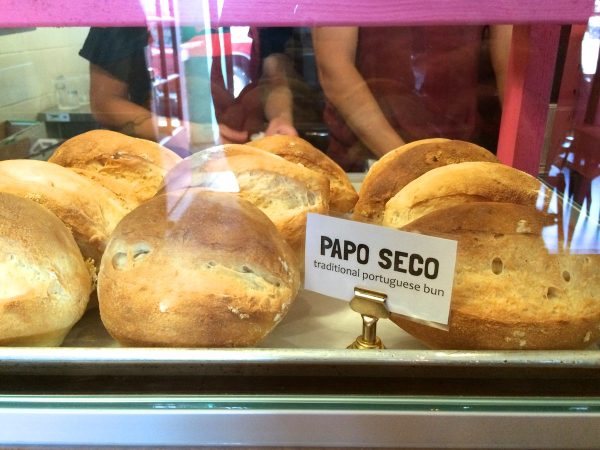
Papo-seco: the Portuguese breakfast roll, minus its maminhas
It crackles under your thumb and is almost always eaten in the morning. The papo-seco, called carcaça or molete…
Find our artisan pastries in our Brussels stores or order online.
Order now Our foodtruck for your events Our stores