
Leite-creme: the festive dessert with a disputed origin
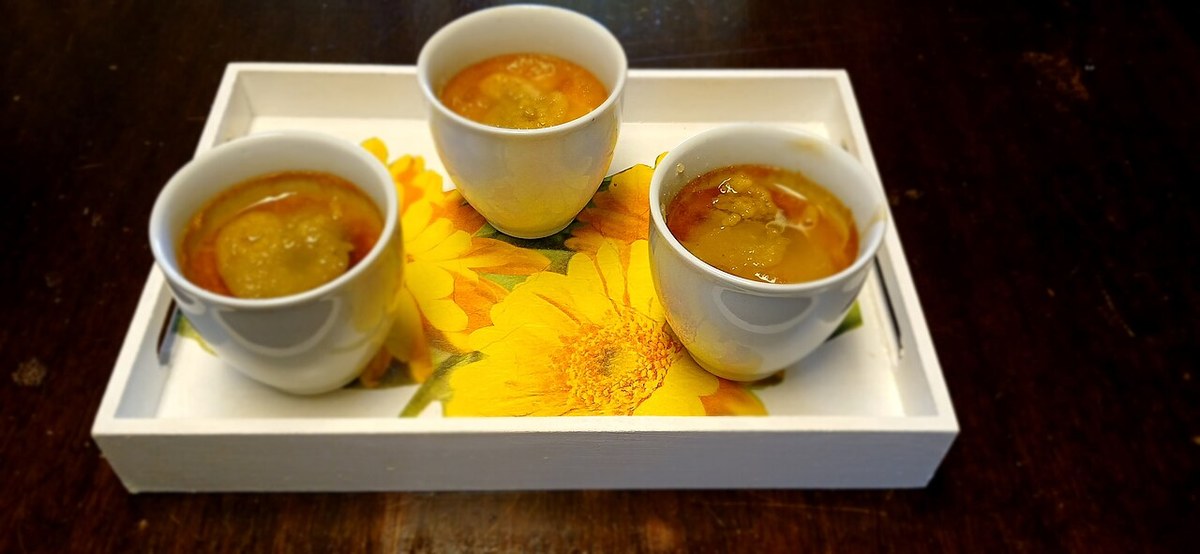
In Portugal, leite-creme does not need a menu. It is served on big occasions, caramelised at the end with a heated iron, and everyone has their own recipe. But ask where it comes from, and the table goes quiet for a moment.
A home kitchen, not a shop window
The inventory of traditional Portuguese products kept by DGADR describes the leite-creme of the Centre region, around Vagos. The recipe is short: milk, flour, sugar, a pinch of salt, a strip of lemon peel and eggs, cooked slowly in a saucepan. The cream is poured into a deep dish, left to cool, dusted with sugar and caramelised.
The same entry notes that milk and eggs existed in rural homes and were prepared for festive dates. The dessert was not a pastry-chef's luxury: it was what the farm allowed. Today, cornflour is often used instead of wheat flour. The recipe followed the kitchen, not the other way round.
The iron, the flame and the sugar
The final gesture makes the dessert. The website Doces Conventuais e Licores, devoted to convent sweets, describes a version with 240 g of sugar, two tablespoons of flour, six egg yolks, half a litre of milk, a vanilla pod and a little cinnamon. The cream is thickened over low heat while stirring constantly, poured into a dish, covered with sugar and burnt with a dedicated iron. It must be served at once, while the sugar still cracks.
That gesture explains why leite-creme travelled. A dish of milk, yolks and sugar is made everywhere. Only the final flame sets the dessert apart, and it is what you wait for at the end of a meal, when the cream arrives still warm in its dish.
Where does it really come from?
The same site cites the earliest known written recipe, published in a French cookery book of 1691 by Massialot. It admits, however, that the origin remains unclear: France, England with the crème brûlée, Spain with the crema catalana. Trinity College in Cambridge, for its part, claims its own "Cambridge Burnt Cream", a custard it says it served in the seventeenth century.
Portuguese accounts do not settle the question either. Local sources contradict each other, and several are blogs written by enthusiasts. What is established is that the cream lived in convents as well as in homes, and that it kept its name of milk, cream and flame.
A family sweet, in Brussels too
At Wooly, in Etterbeek, Uccle and Waterloo, the way in is still the pastel de nata, the pastry everyone recognises. Leite-creme belongs to the same family: milk, eggs and sugar, cooked at home. For another milk dessert flavoured with cinnamon, read our article on arroz doce.
Living in Brussels and want to taste these sweets at home? Delivery conditions are set out on our home delivery page. To visit in person, our shops are in Etterbeek, Uccle and Waterloo.
Leite-creme is best eaten warm, a few minutes after the iron has done its work, while the crust still cracks under the spoon and the cream below stays soft. Once cold, that contrast is gone, which is why tradition serves it straight from the dish.
Like other Portuguese milk-and-egg desserts, it follows a simple logic: few ingredients, one saucepan, a deep dish and time for the cream to set. The crust is what sets it apart, and it is the first thing a guest notices.
Sources: DGADR, "Produtos Tradicionais Portugueses: Leite Creme (Região Centro)" ; Doces Conventuais e Licores, "Leite-creme".
Photo credit: Horacio Cambeiro, Wikimedia Commons, CC BY-SA 4.0. The picture shows a crème brûlée, a cousin of leite-creme whose origin is disputed.
Read next
Galo de Barcelos: the rooster that crowed to save a pilgrim
A pilgrim from Galicia, a judge dining with friends and a roast rooster on the plate. In Portugal people still tell of…
Store pastel de nata: never in the fridge, three minutes in the oven
How long do pastel de nata last? Three to four days, uncovered and never in the fridge. Do pastel de nata need to be…
Broa: the Portuguese bread that was rye before maize arrived
Before it became a maize bread, broa was a rye bread. Its name is older than the American grain, and its history shows…
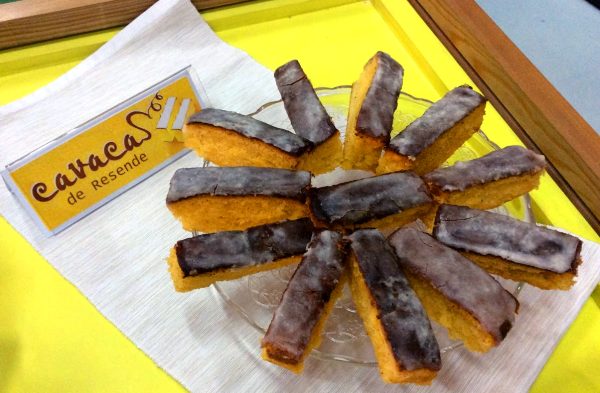
Doçaria de feira de Vouzela: the doceiras who sold their sweets at fairs
The caladinho breaks under your teeth: dry crust, soft centre, a taste of lemon. In Vouzela, these doces de feira have…
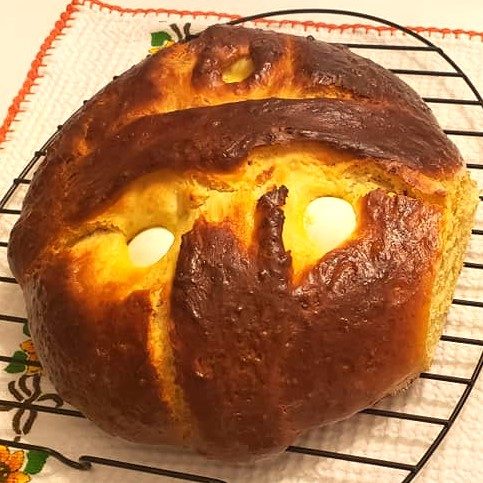
Folar: the Portuguese Easter cake a godparent gives their godchild
On Easter Sunday in Portugal, a cake arrives at the table with a whole egg set on top, cooked in its shell and set in…
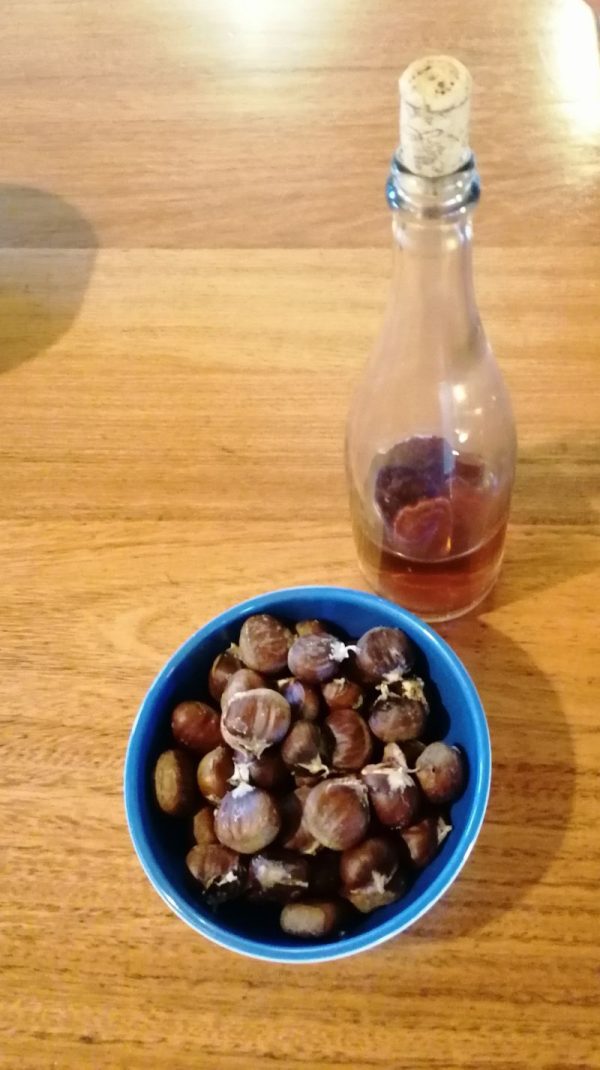
Jeropiga: the sweet wine you stop with brandy, poured at the magusto
Some wines you let ferment and some you stop. Jeropiga belongs to the second group. In Trás-os-Montes it is made in a…
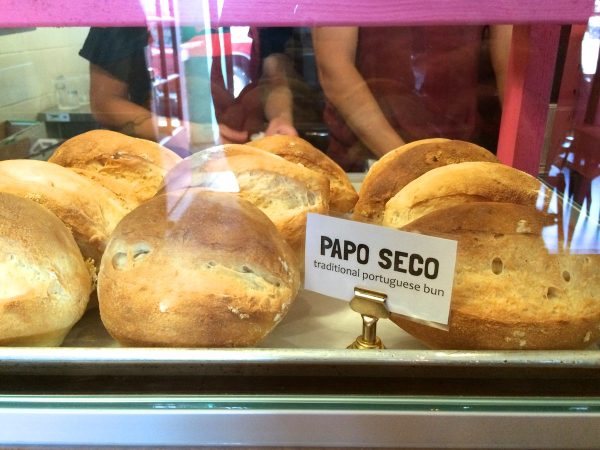
Papo-seco: the Portuguese breakfast roll, minus its maminhas
It crackles under your thumb and is almost always eaten in the morning. The papo-seco, called carcaça or molete…
The doces were not born in convents: the myth that won't die
Cloistered nuns, egg yolks beaten by the dozen: the convent legend clings to Portuguese pastry. Historian João Pedro…
Find our artisan pastries in our Brussels stores or order online.
Order now Our foodtruck for your events Our stores