
O lanche: the Portuguese afternoon snack that borrowed an English name
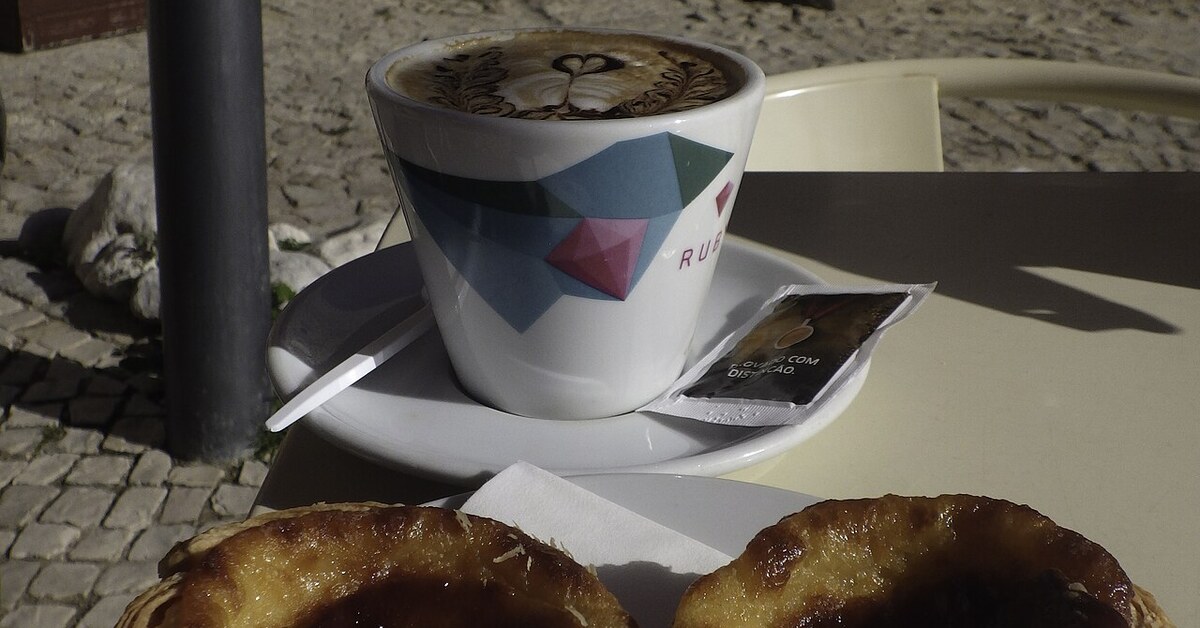
It is just past four. In the pastelaria the machine hisses once, then again, and the cups line up on the counter as if someone had summoned them. A mother pushes the door open with a schoolbag in one hand and a child in the other. A pensioner folds his newspaper. Nobody arranged to meet: it is simply the hour.
That hour has a name. In Portugal it is called o lanche. It is neither a meal nor idle snacking — it is a pause with its own place, its own habits, and a vocabulary that says far more than whatever ends up on the plate.
An English word for the most Portuguese of moments
Here is the surprise, and it never stops amusing people who hear it: lanche comes from the English lunch, itself a shortening of luncheon. The word was made Portuguese, trimmed to fit the language, until nobody could hear the English inside it any more. It even changed hours along the way: the English lunch sits in the middle of the day, the Portuguese lanche at the end of the afternoon.
It is not an isolated case. Portuguese mealtime vocabulary is a small museum of borrowings and slippages. Pequeno-almoço, breakfast, is modelled on the French. Almoço goes back to a vulgar Latin form meaning « to begin eating ». Jantar once meant the morning meal before sliding down to the evening. And ceia, from the Latin cena, used to be the main meal of the day before becoming that last small mouthful taken late at night.
Put another way: the Portuguese never stopped moving their meals around the day, and the words followed in no particular order. The lanche slipped into the one slot left empty.
Merenda, the older name
Before English invited itself in, there was the merenda. The word comes from medieval Latin merenda and already described a light bite taken in the afternoon or at nightfall. It has not disappeared: it retreated to the countryside, to the basket carried out to the fields, to the grandmothers who still say « vai buscar a merenda » when a child hovers in the kitchen.
The two words coexist today, differing in temperature rather than in meaning. Lanche is urban; it smells of the counter and of pastelaria paper. Merenda smells of a knotted cloth and of bread cut at home. Plenty of Portuguese families in Belgium use both in the same week without ever thinking about it.
What lands on the table
The lanche follows no written rule, but it has its certainties. Depending on the household, the hour and the appetite, you will find:
- Bread, almost always. Pão com manteiga, thick-cut bread and butter; or a torrada, a toasted slice buttered until the butter goes all the way through.
- Something sweet from the pastelaria: bolo de arroz, pastel de nata, a jesuíta, a slice of bolo de bolacha if any survived Sunday.
- Something savoury, sometimes: queijo fresco, a leftover rissol, a handful of tremoços, the lupin beans you pop between thumb and forefinger.
- Something hot for the adults — a tight bica, or a galão served in its tall glass — and chocolate milk for the children.
The list is not the point. The point is that the lanche stays light: it must not close the appetite. Dinner in Portugal comes late, often after eight, and the evening may still end on a tiny ceia. The snack is what holds up that whole interval. Hunger invented it; sweetness merely kept it.
The most faithful hour of the day
There is something else in the lanche that the plate does not explain. It is the only moment in the Portuguese day when people sit down for no reason. Morning coffee is drunk standing, in three swallows, then off again — a ritual we told in our piece on the bica, what the Portuguese actually order at the counter. Lunch is timed. Dinner is a family meal with its obligations.
The lanche serves nothing but itself. People talk about very little. They watch the street. Children out of school tell their day out of order, mouths full. And a pastry that survives that hour — the bolo de arroz, say, the rice cake outliving the disappearance of Lisbon's old cafés — is never only a cake. It is a way of telling the time.
The lanche carries on in Brussels
In Brussels the school year has just started, the satchels are out again, and the lanche hour returns of its own accord — around half past four, in a kitchen or on a bench, exactly as in Portugal. It is our liveliest hour in the shops: on rue des Tongres in Etterbeek, as in Stockel, Uccle and Waterloo, the end of the afternoon brings back the same faces, often with a child who decides faster than the parents. A still-warm pastel de nata, a slice of salame de chocolate for the smallest ones, a coffee taken standing while the bag stays on the floor: the same gesture, seventeen hundred kilometres from Lisbon.
You can translate lanche as « afternoon snack », and that is fair enough. But a snack, in English, sounds like something you grab. The lanche has never let anyone grab it standing up on the way out. Perhaps that is the most Portuguese thing about this word that came from English.
Photo: coffee and pastéis de nata on a Portuguese terrace, by Martin Lopatka (CC BY-SA 2.0, via Wikimedia Commons).
Read next
Marmelada: the Portuguese quince that gave marmalade its name
Raw quince is inedible. Cooked with sugar it becomes a paste you cut with a knife — and a word that left Portugal and…
Desfolhada: the night when a red corn ear was worth a kiss
In late September, northern Portugal husked its corn after dark. Village work, sung and washed down with wine, and one…
The suitcase home: what Portuguese families bring back in August
In late August the same scene plays out in kitchens all over Brussels: a suitcase open on the tiles, a bathroom scale…
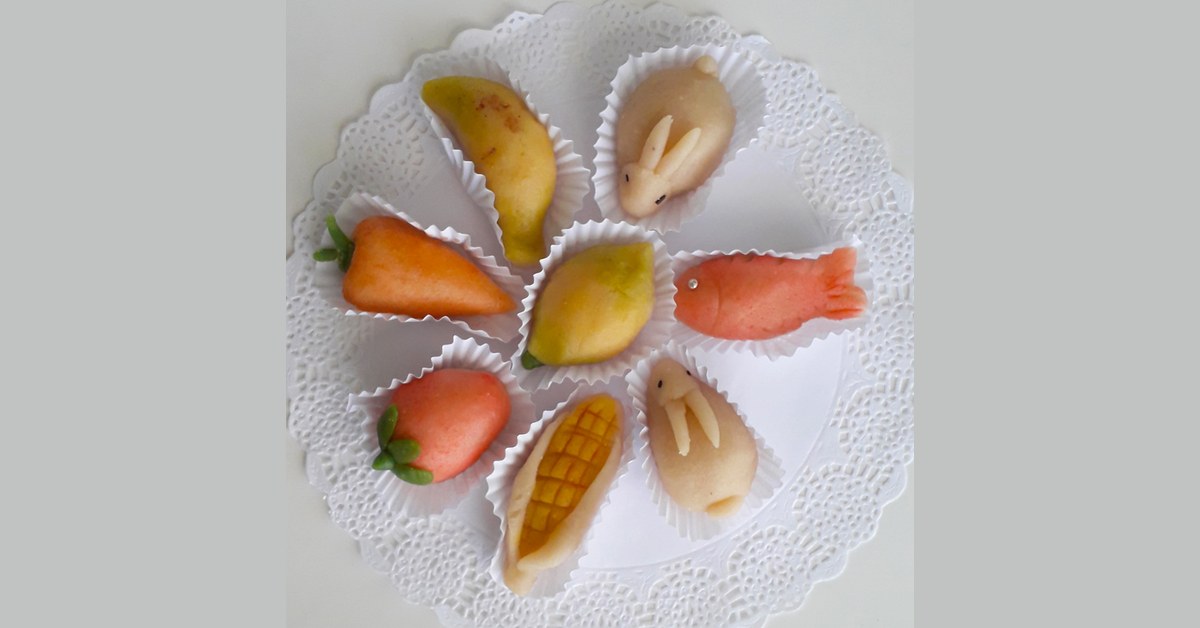
Doce fino: the Algarve's fruit, sculpted entirely from almonds
A banana, an ear of corn, two white rabbits and a carrot complete with its leafy top, all laid out on a paper doily.…
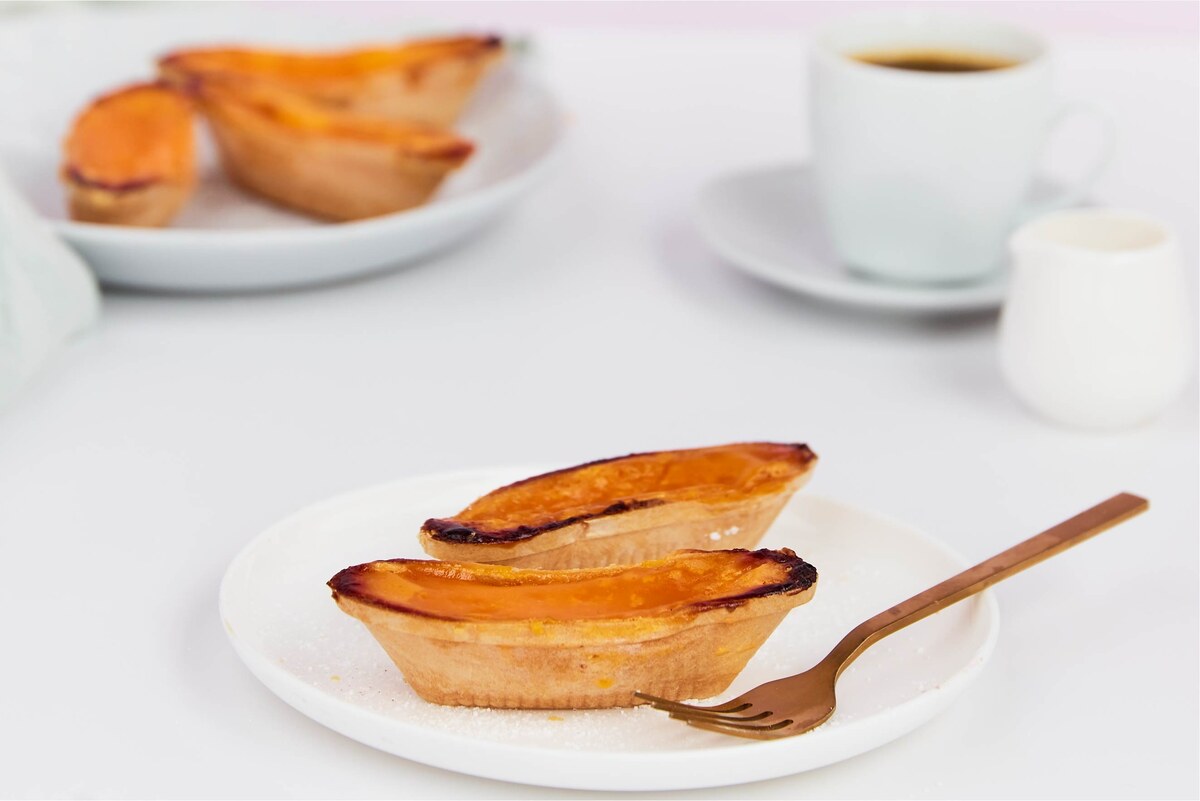
The ponto de açúcar: the fingertip test that decides everything
Thread, pearl, blown, sand: Portuguese has nine words for the moment a sugar syrup is ready, and not a single number.…
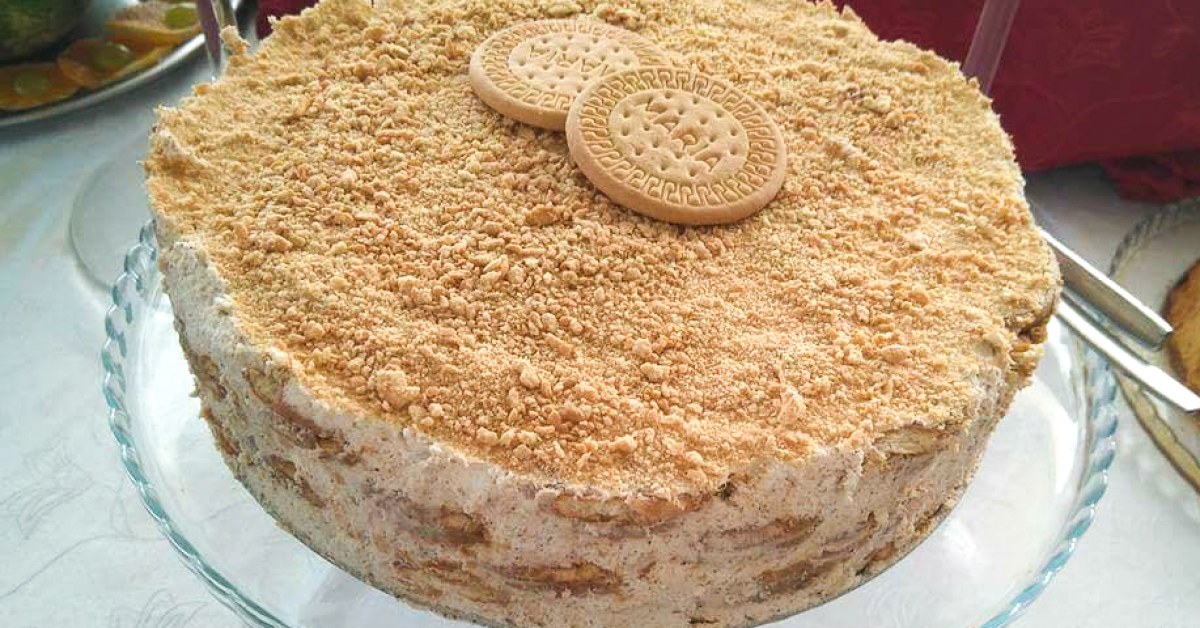
Bolo de bolacha: the Portuguese cake that never sees an oven
It never goes into the oven. Three things are enough — Maria biscuits, strong coffee, buttercream — plus one night in…
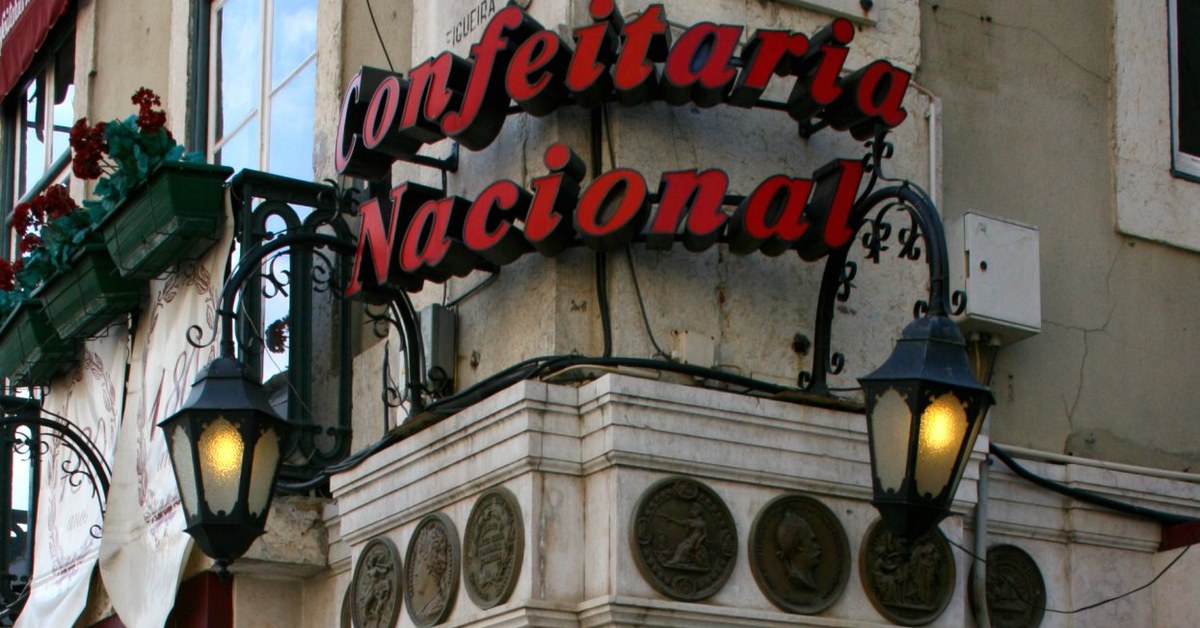
Confeitaria Nacional: the Lisbon pastry shop open since 1829
At dusk, on the corner of Praça da Figueira, the red sign lights up before the street lamps do. Below it, a row of…
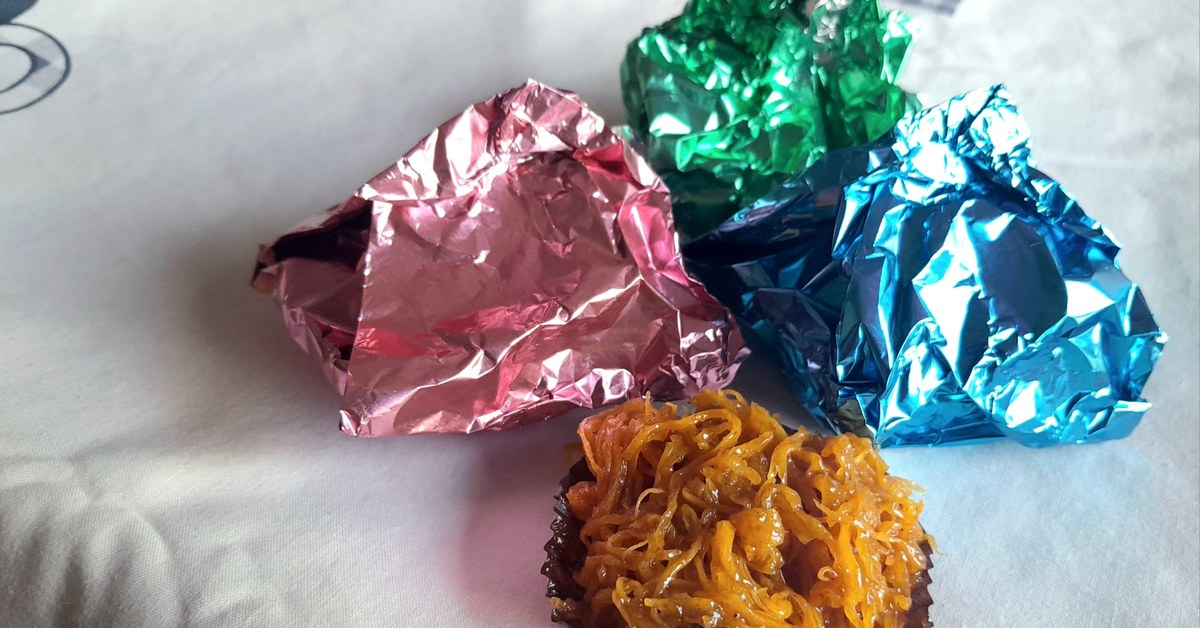
Dom Rodrigo: the Algarve sweet you unwrap like a candy
A rustle first. You pull at two corners of metallic paper, the golden ball appears, sticky, dusted with cinnamon. Dom…
Find our artisan pastries in our Brussels stores or order online.
Order now Our foodtruck for your events Our stores