
Água-pé: the water poured on the grape skins, served on St Martin's Day
It is poured into a plain glass, next to a paper cone of hot chestnuts. Nobody claims that água-pé is a great wine, and that is exactly what makes it lovable: in Portugal it is the drink of St Martin's Day, on 11 November, the one you share when the harvest is over and autumn has properly settled in.
What the press had not finished giving
To understand água-pé, go back to the vindima, the grape harvest. The grapes are pressed, the juice goes to the vat, and what stays in the press is the marc: skins, pips, everything that was crushed. The bagaço, as the Portuguese call it, is still full of juice. Throwing it away would be a waste.
Água-pé is born from that refusal to waste. You pour water on the marc, let it ferment, and end up with a drink far lower in alcohol than wine: around 8% according to the sources we consulted, often less. It is nothing like the wine of the first pressing, but it is light and easy to drink on a feast day.
A name that talks about a foot
The name literally translates as "water-foot". The most common explanation points to the water poured at the bottom, at the "foot" of the vat, on what is left of the grapes. The exact origin of a word from everyday cooking is not always known, and this one is no exception: keep the image, it says the thing well.
The drink of the people who worked the vines
For a long time água-pé was the wine of the poor, sometimes nicknamed "the people's champagne". It cost little and, so the story goes, landowners handed it out to those who worked for them. It is still very popular in the north of Portugal, where it is also served at other autumn and winter festivals.
There is something touching about this drink: it does not hide its humble origins. Every family with a patch of vineyard makes it a little differently, and every one swears theirs is the best.
St Martin and the cloak cut in two
On 11 November, Portugal celebrates São Martinho. The legend is well known: Martin, a Roman soldier of the fourth century, is said to have cut his cloak in two to cover a shivering beggar. The story goes that a ray of sunshine then returned to the road, and that is where the Portuguese take the expression verão de São Martinho, "St Martin's summer": those mild days that sometimes turn up in the middle of autumn.
On that day people also taste the new wine, the one from this year's harvest. Água-pé sits beside it, humbler, lighter, and often more plentiful on the table.
The magusto: a fire, chestnuts, a glass
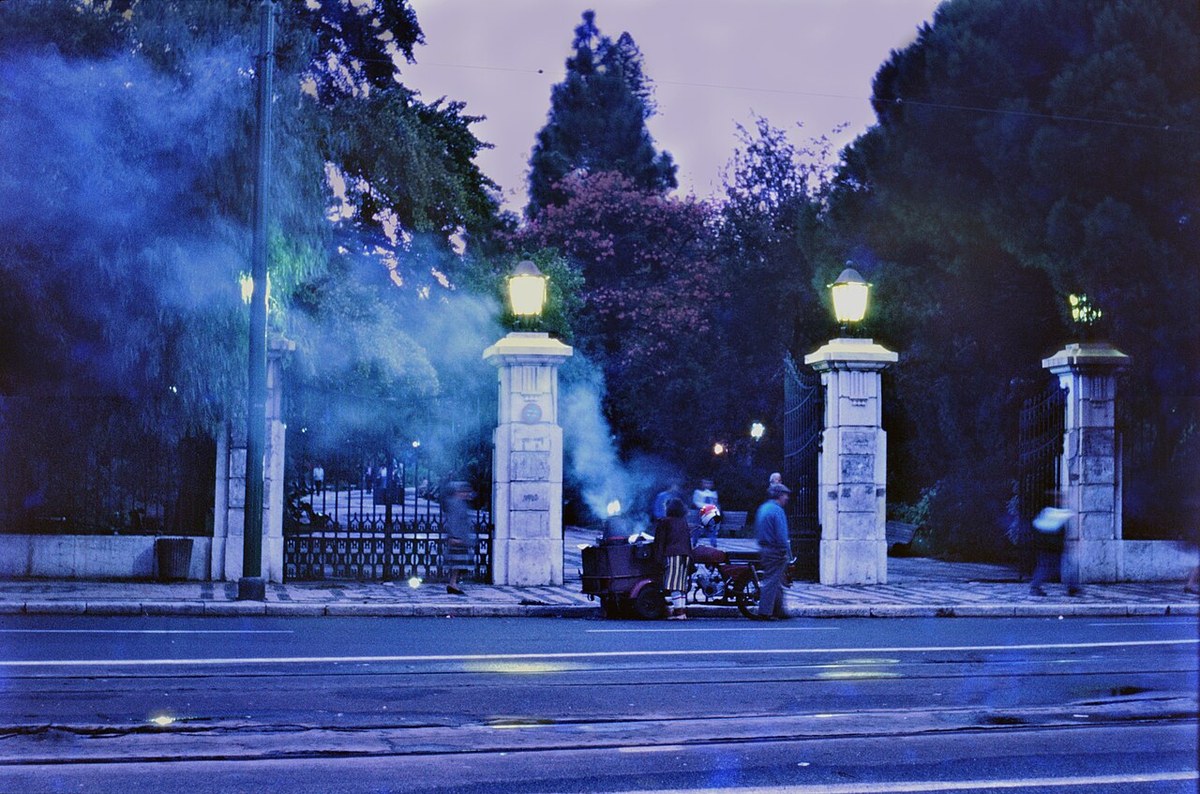
Água-pé has its setting: the magusto. You light a fire, roast the first chestnuts of the season, peel them with your fingertips while they are still scorching, and raise a glass. We have already told the story of the white smoke of the castanhas assadas in Lisbon; água-pé is their natural companion, on the other side of the country.
Ten days earlier, on 1 November, children go from door to door for the Pão por Deus. In Portugal, November is a month of sharing, between the children's bread, the chestnuts and the glass of new wine.
Nothing is lost
What strikes you about água-pé is its logic: you do not throw away what can still be used. Portuguese pastry was born from a kindred spirit, that of the convents that made something beautiful out of what they had to hand. We told that story in Why Portuguese pastry is so yellow: blame the wine.
And in Brussels?
In Brussels, November does not have the sun of St Martin's Day, but you can still taste the Portuguese autumn. In our shops in Stockel, Etterbeek, Uccle and Waterloo, the pastel de nata comes out of the oven every day, with its flaky crust and its cinnamon-scented custard. A coffee, a nata, and you find a little of the gentleness of a St Martin's afternoon.
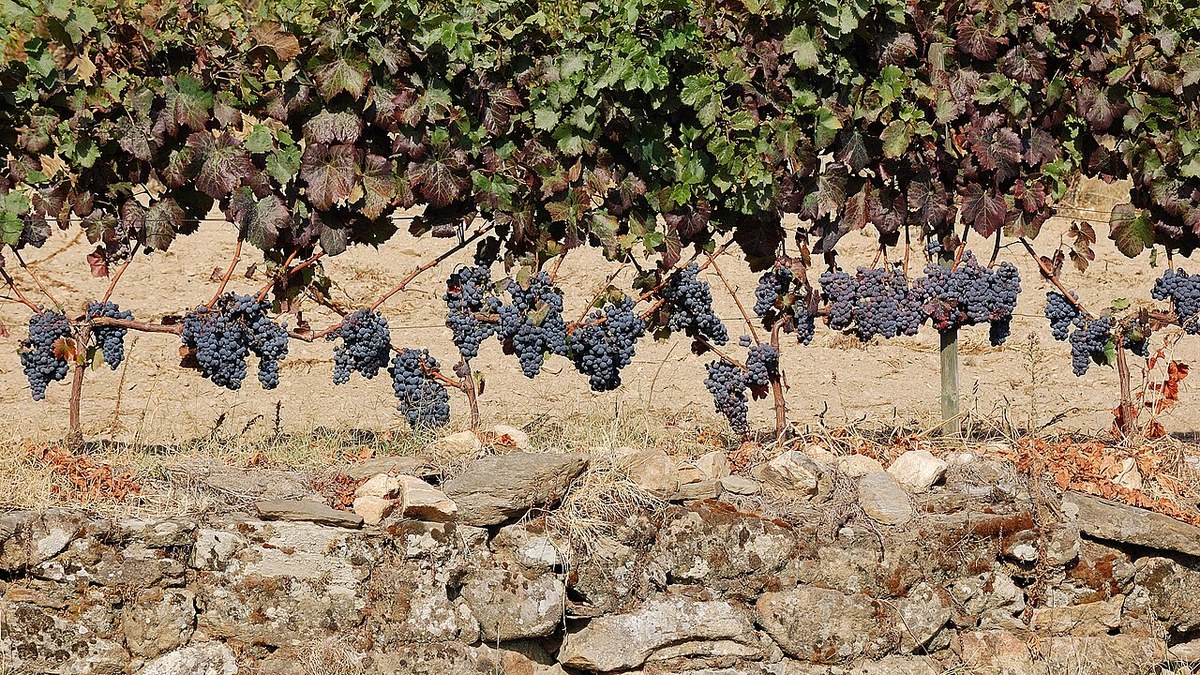
Photo: vineyard in the Douro, near Carrazeda de Ansiães, by Rosino, licence CC BY-SA 2.0, via Wikimedia Commons.
Sources: Wikipédia (pt), “Água-pé”; Direção-Geral de Agricultura e Desenvolvimento Rural, “Castanhas Assadas”; DECO PROteste, “Jeropiga e água-pé: o que são e como as deve beber?”.
Read next
Pão por Deus: the Portuguese children who knock on doors on 1 November
A small cloth bag and a phrase called out at every door: on 1 November, Portuguese children ask for « Pão por Deus ».…
Medronho: the rough little fruit of the Algarve that ripens as autumn begins
At the end of September, in the hills of the Algarve, a small rough fruit turns from yellow to orange, then red. The…
Bolo do caco: the Madeiran bread named after its stone
Cooked on a slab of volcanic basalt, kneaded with sweet potato for want of wheat, spread with garlic butter: Madeira's…
Castanhas assadas: the white smoke that brings autumn to Lisbon
A column of white smoke on a street corner, a smell of embers and salt, a cry: "Quentes e boas!". In Lisbon, autumn…
Arrufada de Coimbra: the sweet bread carried to engagements
Sold from baskets under a white cloth at Coimbra station, left to rise for twenty-four hours under a blanket, the…
Bolo lêvedo: the Furnas bread whose age nobody knows
It cooks on a floured griddle, never in an oven, in a volcanic valley of the Azores. Lenten flatbread, 19th-century…
Cristas de galo: the Vila Real turnover that lost its convent
Little teeth cut into the edge of an almond turnover: that is all that remains of the convent of Santa Clara in Vila…

Trouxas de ovos: the little egg bundle you bring home from Caldas da Rainha
A thin sheet of egg poached in boiling syrup, rolled around its own trimmings, glossy as a jewel. Nobody ever leaves…
Find our artisan pastries in our Brussels stores or order online.
Order now Our foodtruck for your events Our stores