
Bolo do caco: the Madeiran bread named after its stone
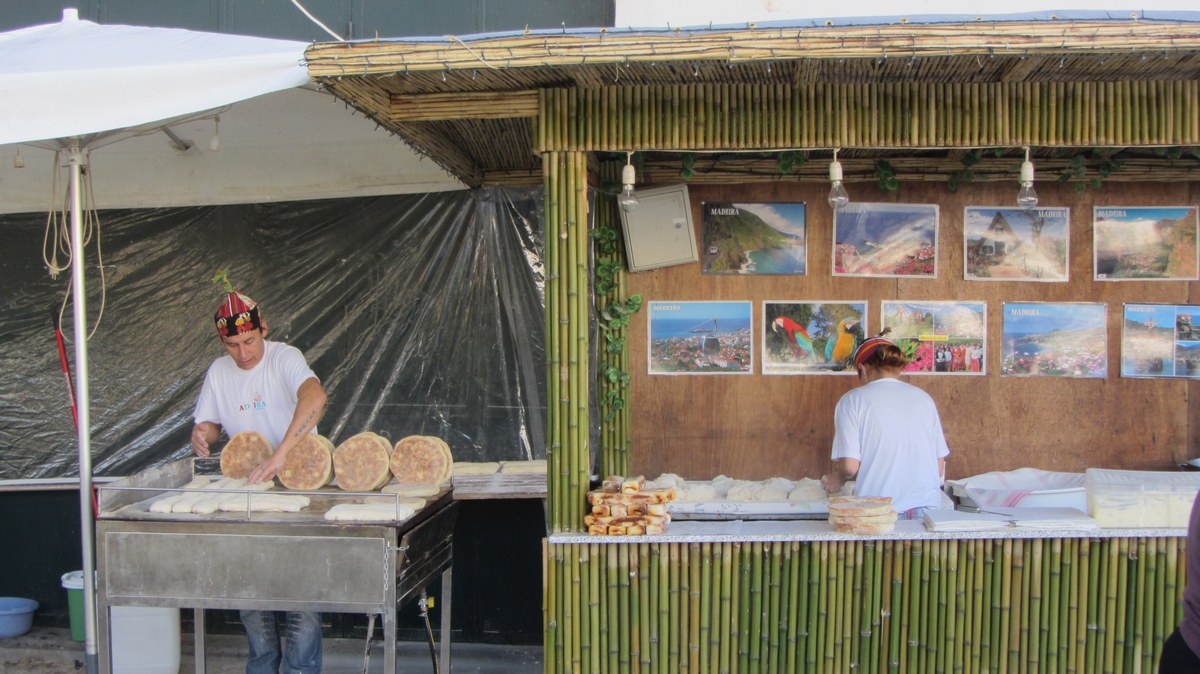
The dough lands on the stone with a dull thud. It does not rise the way bread does in an oven: it spreads, sets, and browns in patches wherever the heat touches it. A minute later, a hand flips it over. At the festival stalls of Funchal, the discs pile up at the edge of the griddle, and the smell of garlic melting into butter reaches you long before you see the vendor. In Madeira, this small, round, flat bread is not named after its flour, or its shape, or the town that supposedly invented it. It is named after the stone it cooks on.
A cake that isn't one
The name is misleading twice over. Bolo, in Portuguese, means cake. Yet the bolo do caco is a bread: wheat flour, yeast or a piece of risen dough, water and salt. Nothing sweet on paper. As for caco, in everyday Portuguese it first of all means a shard, a piece of broken pottery. In Madeira, the word refers to the slab this flatbread was cooked on: a slice of basalt, or a piece of roof tile, set over the embers.
Basalt was hardly an exotic choice. Madeira is a volcanic island, and the black stone is everywhere: in the walls of the terraces, in the cliffs, in the pebbles on the beaches. People cooked on what they had to hand. Today many bakeries and stalls use metal griddles, but the name is still the stone's.
Sweet potato, for want of wheat
One ingredient is still missing from the list, and it is the one that makes all the difference: batata-doce, the Madeiran sweet potato. It is mashed into the dough. It gives bolo do caco its tender, almost fluffy crumb, and that faintly sweet taste which may, after all, justify the word bolo.
Its presence has a very down-to-earth explanation. The entry that the Portuguese register of traditional products devotes to bolo do caco links it to the grain shortages that hit the island again and again. For a long time Madeira kept its best land for sugar cane, then for vines, and wheat was scarce. So bakers stretched their flour with something the island did produce: sweet potato. What began as a way of saving grain became the bread's signature.
Two origins, no certainty
Where exactly does it come from? Nobody knows for sure, and the stories contradict each other politely. The same register points to an Arab influence dating from the fifteenth century, when enslaved people from Morocco, the Canary Islands and Africa were brought to the island to work the sugar cane: flatbreads cooked on a hot stone exist on both sides of the Mediterranean. Madeira's tourist board tells a humbler story set on Porto Santo, the small neighbouring island: a way of using up leftover bread dough.
The two versions do not cancel each other out. They say the same thing: bolo do caco was not invented by a famous pastry chef. It was born from the common sense of people who had neither an oven available at any hour nor any wheat to waste.
Garlic butter, and everything else
It is eaten hot; that is almost a rule. You split it open and spread it with manteiga de alho, a butter with garlic and parsley, which melts straight into the crumb. That is how it reaches the table, in a basket, ahead of the espetada, the grilled beef skewer Madeira serves at its festivals and in its restaurants.
But it can do everything. With a slice of beef it becomes the prego no bolo do caco, the Madeirans' counter sandwich. It is also filled with chouriço, cheese and sometimes octopus. And because it dries out quickly, it is best made on the day: this is a bread you eat as it comes off the griddle, not one you keep.
It has travelled, too. On mainland Portugal you now find it at markets, at fairs and on supermarket shelves, sometimes in forms that have little left in common with the original. That is exactly why Madeirans insist on what defines it: sweet potato in the dough, and cooking on the slab.
From Funchal to Brussels
At Wooly, in Brussels, we don't bake bolos do caco. But we know well the pleasure of warm bread that you fill and eat standing at the counter. It is the pleasure of our bifanas and chorizo breads, the Portuguese sandwiches you will find in our shops, including the one in Stockel. And if Madeira catches your interest, the island has another speciality, a sweet one this time, which is shared by hand: bolo de mel. For another island bread, head to the Azores and the bolo lêvedo of Furnas. And if you ever pass through Funchal during a festival, follow the smell of garlic: the stone is never far away.
Photo: "Vendedores de Bolo do Caco, Funchal, Madeira - Jan 2012", Stephen Colebourne, Wikimedia Commons, licence CC BY 2.0.
Read next
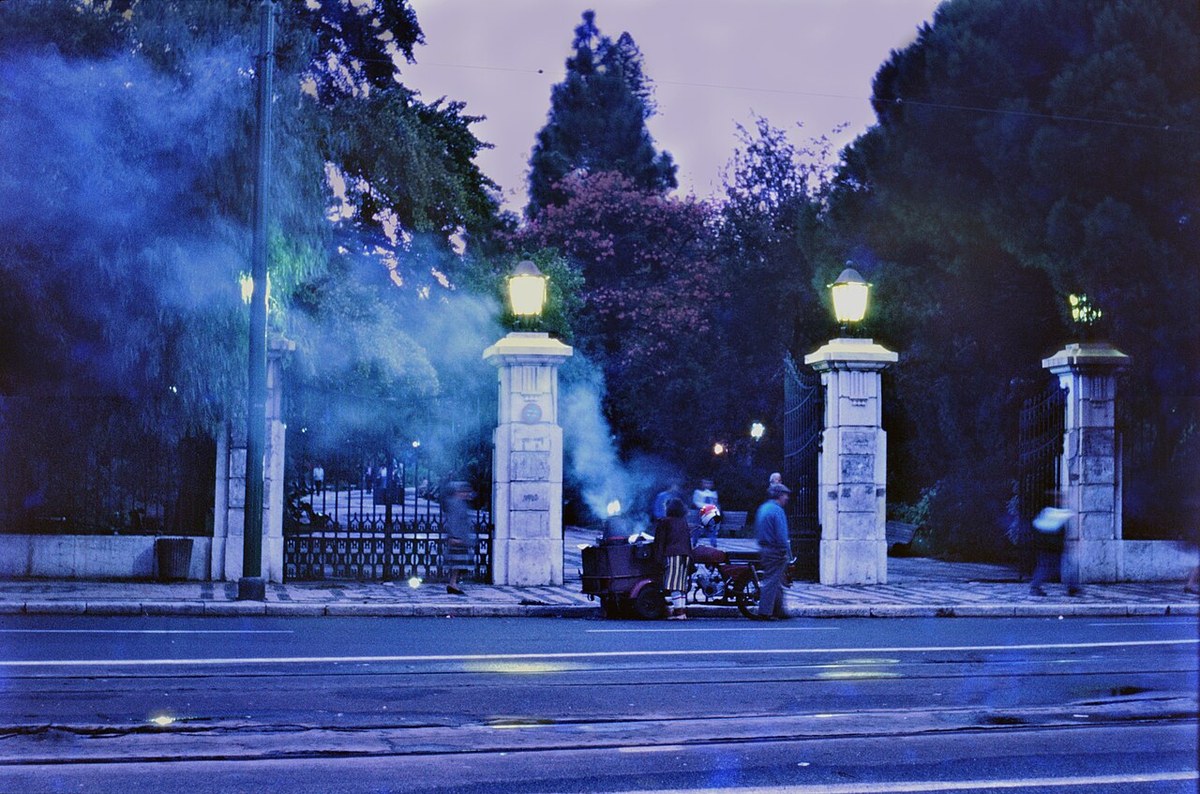
Castanhas assadas: the white smoke that brings autumn to Lisbon
A column of white smoke on a street corner, a smell of embers and salt, a cry: "Quentes e boas!". In Lisbon, autumn…
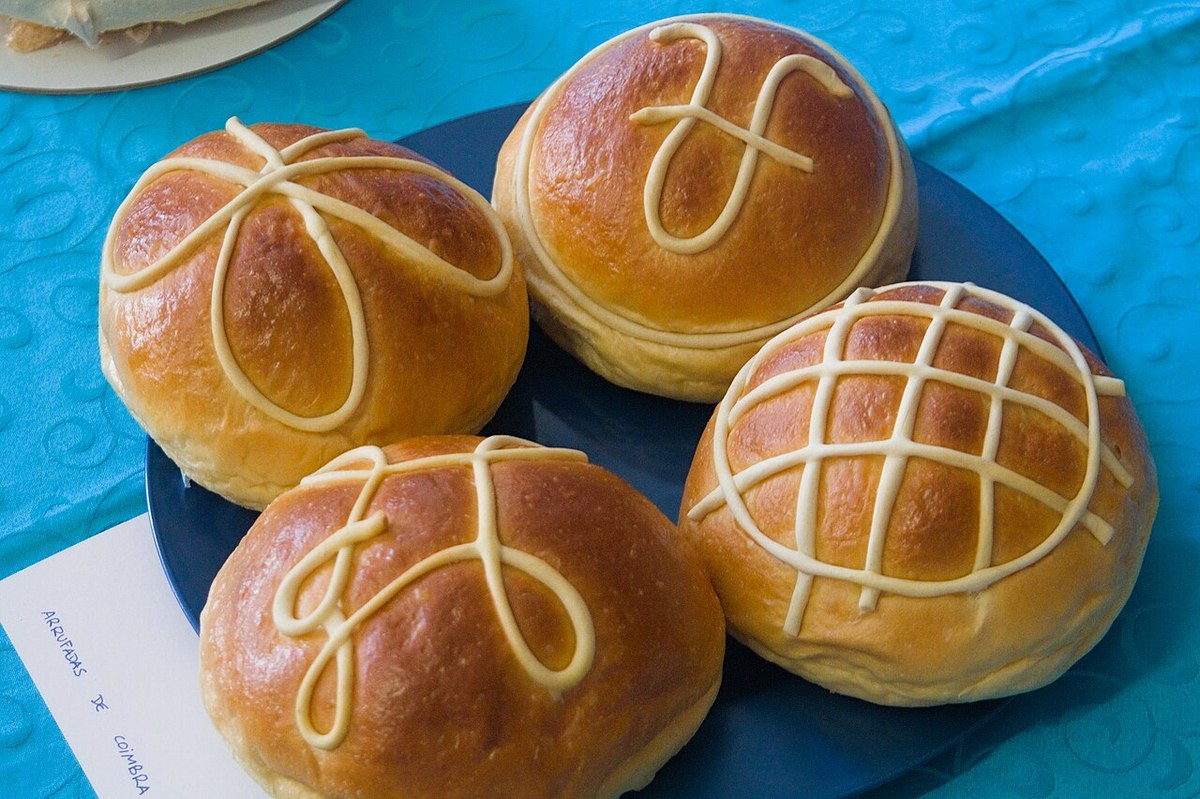
Arrufada de Coimbra: the sweet bread carried to engagements
Sold from baskets under a white cloth at Coimbra station, left to rise for twenty-four hours under a blanket, the…
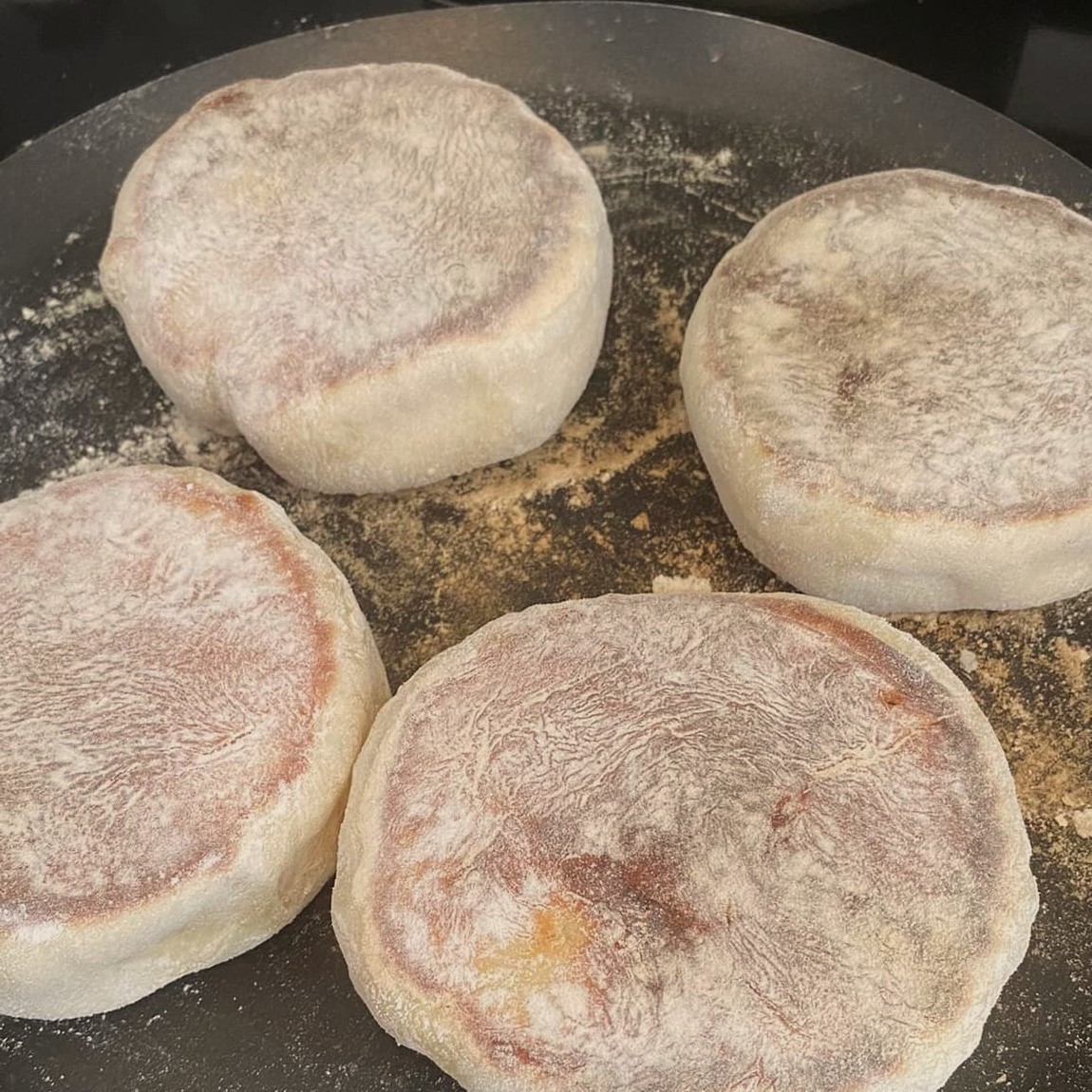
Bolo lêvedo: the Furnas bread whose age nobody knows
It cooks on a floured griddle, never in an oven, in a volcanic valley of the Azores. Lenten flatbread, 19th-century…
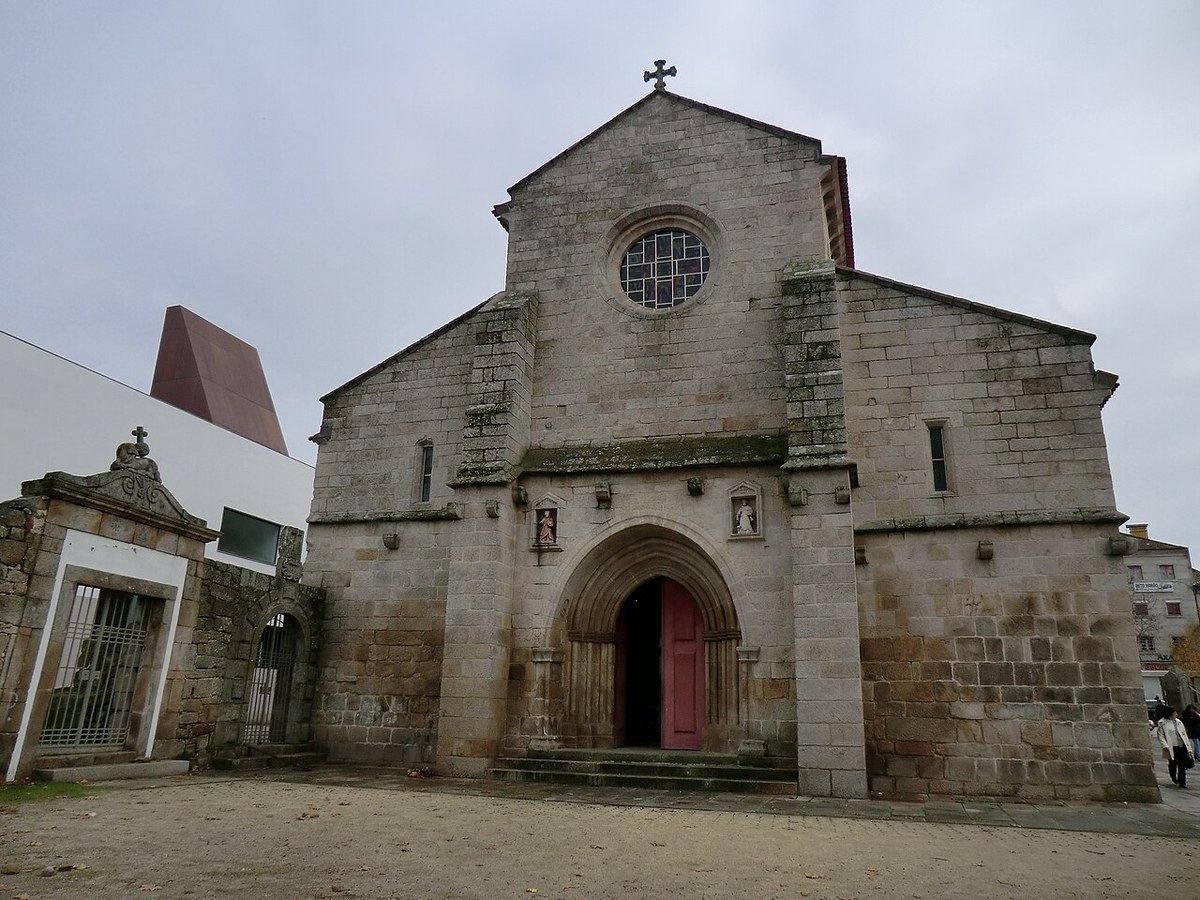
Cristas de galo: the Vila Real turnover that lost its convent
Little teeth cut into the edge of an almond turnover: that is all that remains of the convent of Santa Clara in Vila…
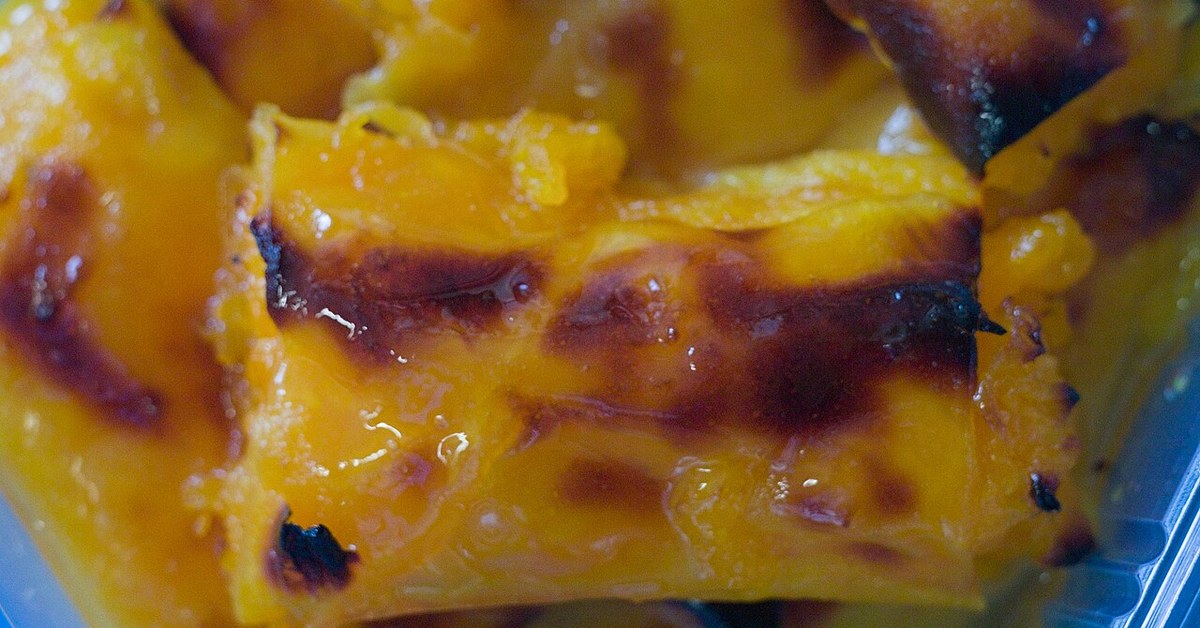
Trouxas de ovos: the little egg bundle you bring home from Caldas da Rainha
A thin sheet of egg poached in boiling syrup, rolled around its own trimmings, glossy as a jewel. Nobody ever leaves…
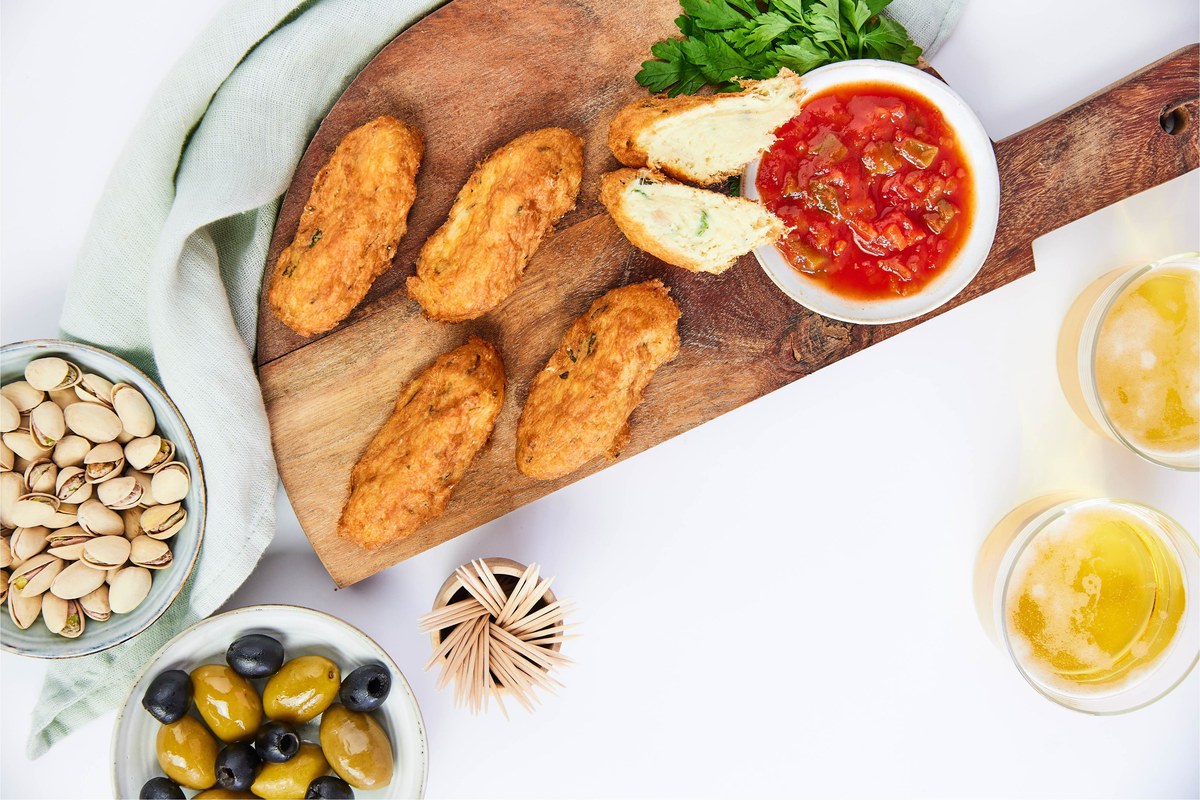
Pastel de bacalhau: the salt cod shaped between two spoons
It comes out of the oil golden, with three sharp ridges and a soft centre. Behind the pastel de bacalhau lies a fish…
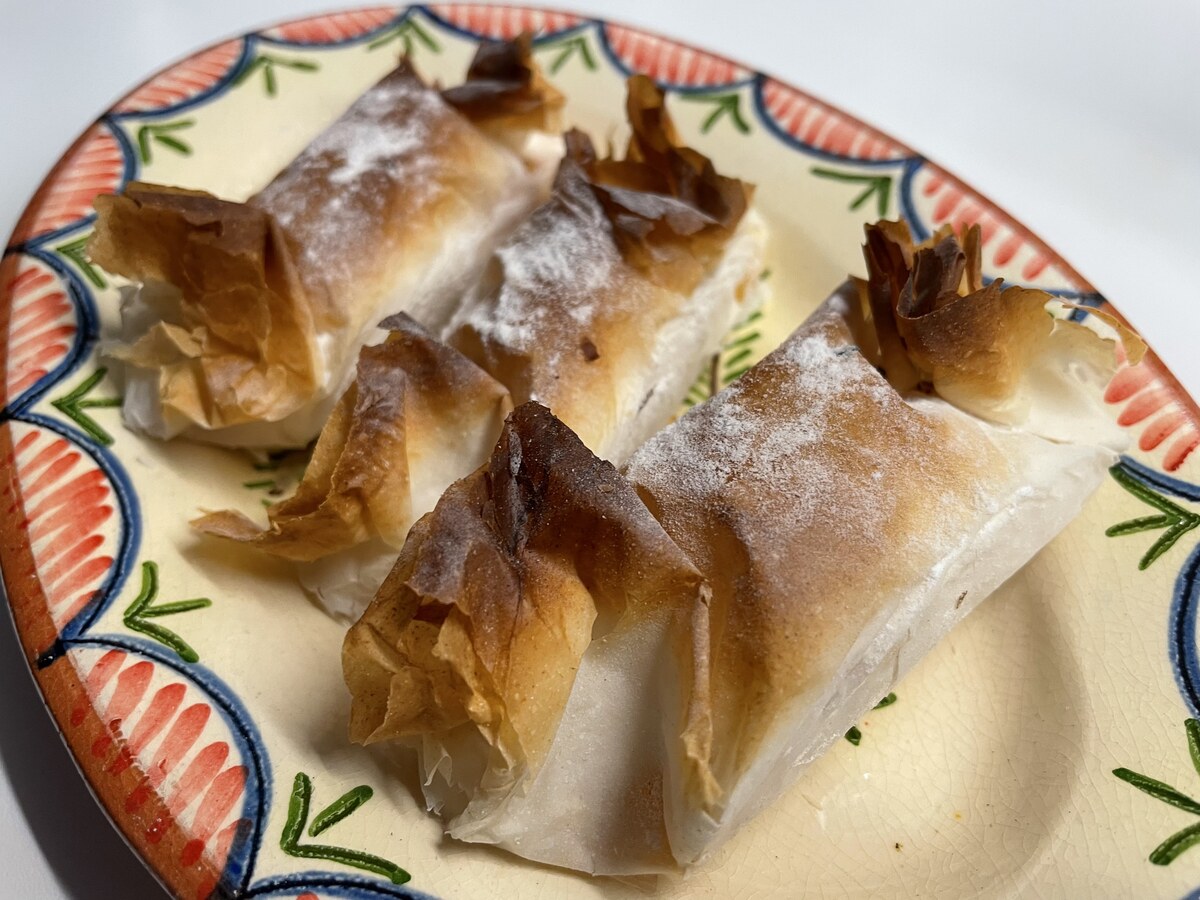
Pastel de Vouzela: the recipe nobody ever wrote down
Very thin pastry, a cream of egg yolks, a veil of icing sugar. The pastel de Vouzela came out of a Porto convent, is…

Bolo de mel: the Madeira cake you break by hand, never with a knife
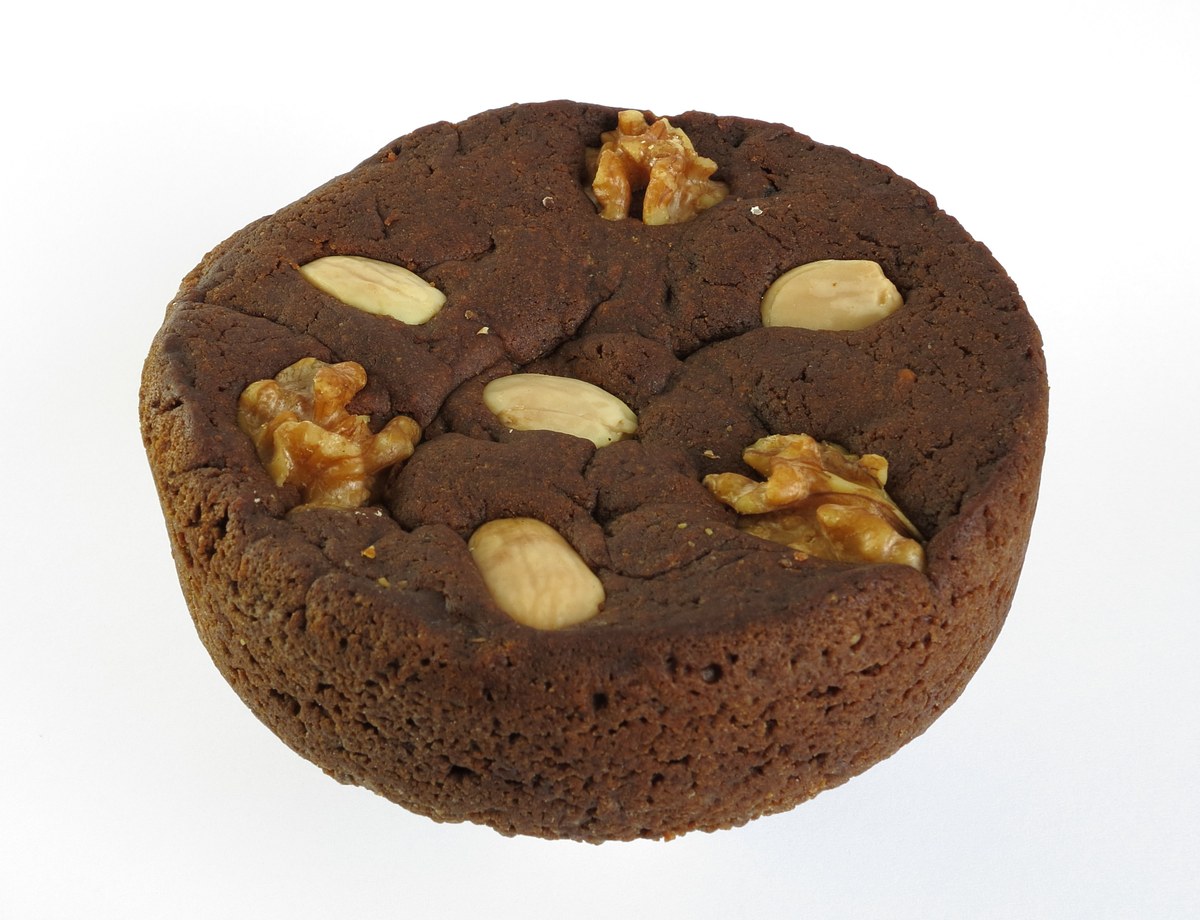
A low, dark, dense disc studded with almonds and walnut halves. On Madeira it is baked on 8 December so that it is…
Find our artisan pastries in our Brussels stores or order online.
Order now Our foodtruck for your events Our stores