
Salame de chocolate: the Portuguese chocolate salami
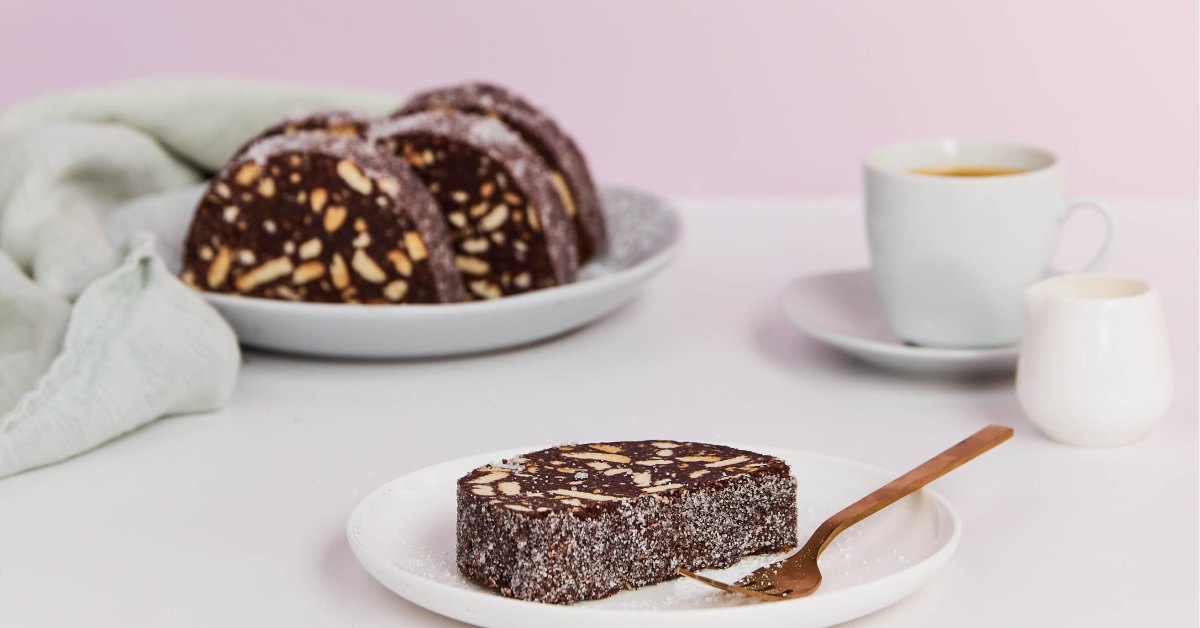
The salame de chocolate looks like a salami, is sliced like a salami, and contains not a gram of meat. It is a roll of chocolate and biscuits, made without an oven, that every Portuguese grandmother knows. Here is what it is, where it comes from, and the traditional recipe, which takes twenty minutes.
The recipe below is the classic Portuguese version, the one in family cookbooks. It is not ours: that one stays our secret.
What is a salame de chocolate?
It is a mixture of chocolate, butter, sugar, egg and broken dry biscuits, rolled into a sausage shape in paper and set in the fridge. Once sliced, the pale biscuit pieces against the dark brown background look exactly like the fat in a cured salami. Hence the name.
There is no baking at all. The cold does the work: butter and chocolate set and trap the biscuits. That is why it is the first dessert people learn to make in Portugal, often around the age of eight.
Salame, salaminho, chocolate salami: the names
In Portugal it is salame de chocolate, sometimes salaminho for small portions. Italy has the same thing under the name salame di cioccolato, and the two countries dispute the exact origin, inconclusively, as usual.
What sets the Portuguese version apart is the biscuit used: the bolacha Maria, a round, dry, barely sweet, almost neutral biscuit. It does not go soggy and keeps its bite for days.
With or without raw egg?
The traditional recipe contains a raw egg, which provides the binding and the characteristic melting texture. It is also what puts many people off today.
Two honest solutions: use pasteurised egg, sold in cartons, or leave the egg out and compensate with 2 tablespoons of sweetened condensed milk. The result is slightly firmer and slightly less melting, but perfectly good. Both versions are made in Portugal.
The traditional recipe, step by step
Ingredients (one roll, about 20 slices)
- 200 g dry biscuits, Maria type
- 100 g soft butter
- 100 g sugar
- 50 g unsweetened cocoa powder
- 1 egg (pasteurised preferably)
- 2 tablespoons strong coffee, cooled
- 1 pinch of salt
The method
- Break the biscuits. By hand, into irregular pieces the size of a fingernail. Never in a food processor: a powder would give a uniform roll with none of the salami pattern.
- Cream the butter and sugar. Work until pale and smooth.
- Add the cocoa, egg, coffee and salt. Mix until the mixture is even and glossy.
- Fold in the biscuits. With a spatula, without crushing them. The mixture should be firm and sticky.
- Roll. Tip onto a large sheet of baking paper, close it and roll tightly to drive out the air, then twist the ends like a sweet wrapper.
- Chill for at least 4 hours, overnight is better. The cold must reach right through the roll.
- Slice. Take out ten minutes beforehand, remove the paper, and cut one-centimetre rounds with a smooth-bladed knife.
The three classic mistakes
Blitzing the biscuits. The most common one. The salame loses its pattern and becomes an ordinary chocolate roll. The pieces must be visible and irregular, and some of them should be large.
Butter that is too warm. Melted butter will not cream: it makes the mixture oily and separates out in the cold. You need soft butter at room temperature, never liquid.
Rolling loosely. Trapped air leaves holes in the centre and the roll breaks when sliced. Pull the paper tight, like a sweet wrapper, until you feel the roll go compact.
How it is served in Portugal
At the end of a family meal, in thick slices, often straight onto the board. At children's parties, where it holds up unrefrigerated for the length of an afternoon tea. And rolled in icing sugar just before serving, to mimic the white bloom of a cured sausage, a detail children love.
It keeps for a week in the fridge, well wrapped, and also keeps very well at -18°C.
And if you do not have four hours
The recipe is simple, but it needs a night in the fridge, and slicing it cleanly is not as easy as it looks. You will find ours, in chocolate, Oreo and lemon versions, in our four shops in Brussels.
Sources: Wikipédia (pt), “Salame de chocolate”; Público, “Salame de chocolate, uma iguaria portuguesa ou italiana?”.
Read next
Rissóis: the Portuguese fried turnover, and its recipe
Rissol, rissóis, rissoles: the most misspelled breaded snack in Portugal. What it actually is, the two classic…
Pastéis de Nata Recipe: The Traditional One, Step by Step
This is not our house recipe but the traditional Portuguese one: the proportions that work, the steps that matter, and…
Pão de Deus: The Bun That Smells Like Every Portuguese Morning
Warm crumb, almost stretchy when you tear it open, topped with a soft, lightly golden layer of coconut: that's often…
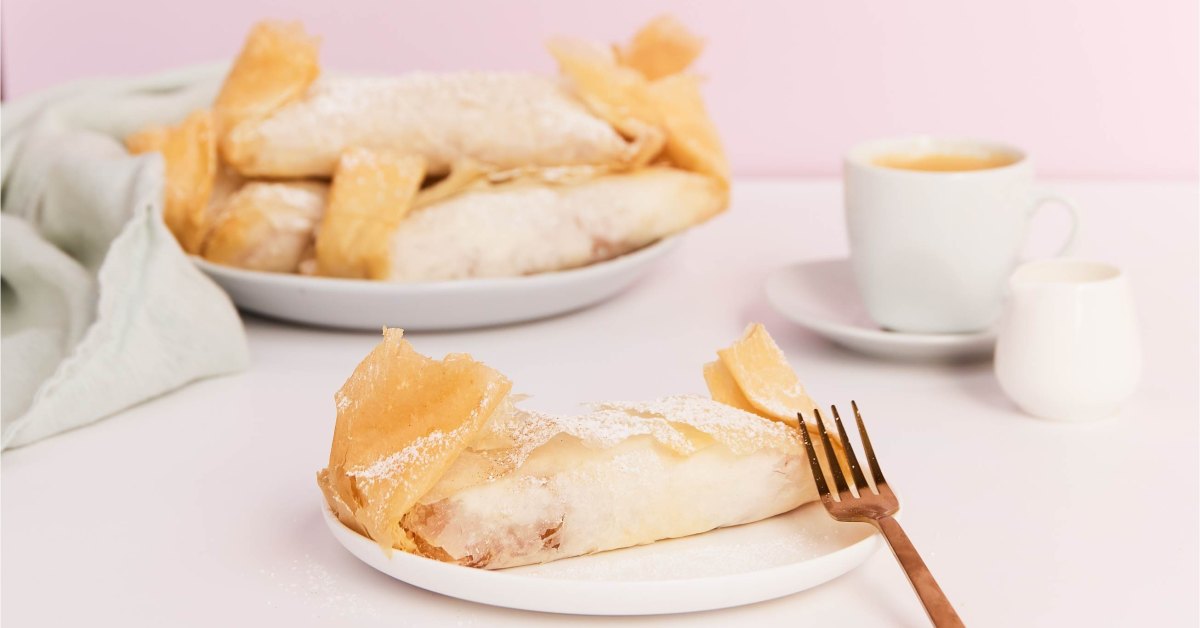
The Pastel de Tentúgal, Portugal's Most Delicate Pastry
It cracks before you've even touched it: paper-thin pastry, warm egg cream spilling out. Meet the pastel de Tentúgal,…
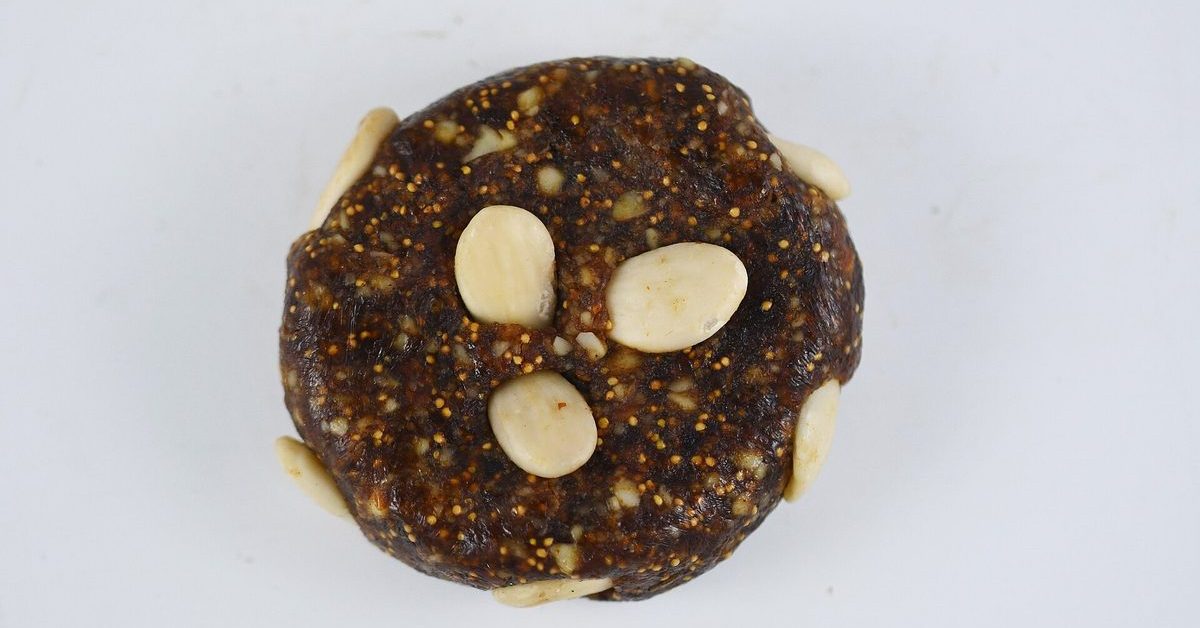
Morgado: the Algarve's Hand-Sculpted Fig and Almond Secret
A hand presses a small ball of almond paste, folds it closed around a dark, fragrant filling. That's how a morgado is…
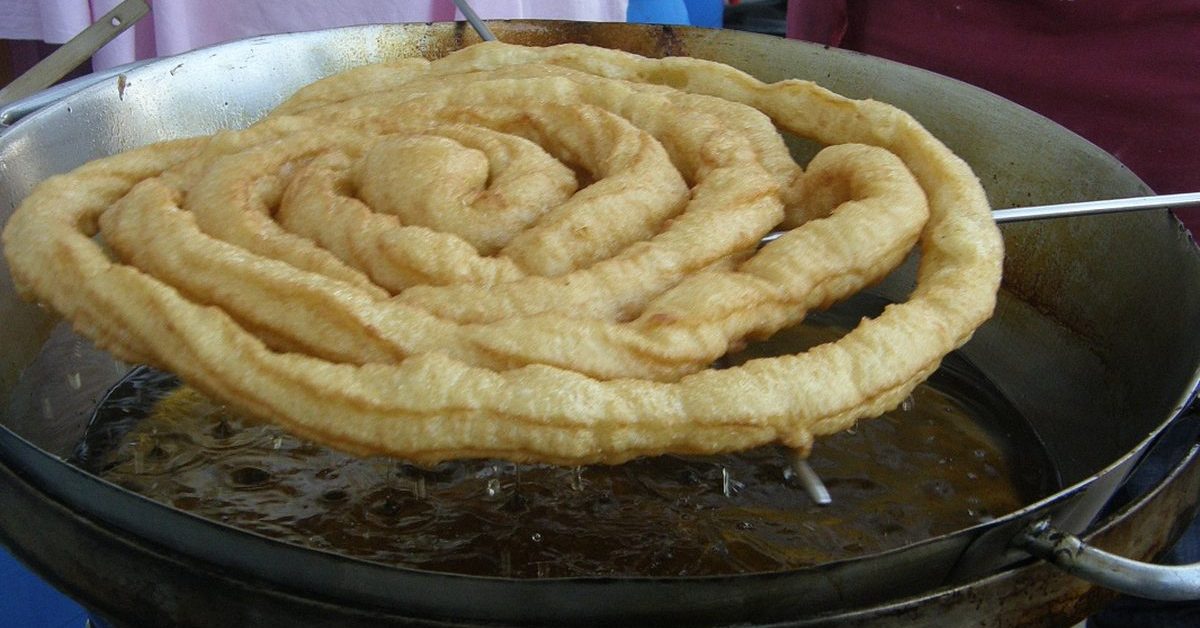
Farturas: The Fairground Pastry That Lights Up Portugal's August Nights
The oil hisses, a long ribbon of batter spirals down into the fryer, curls back on itself, browns unevenly, and cracks…
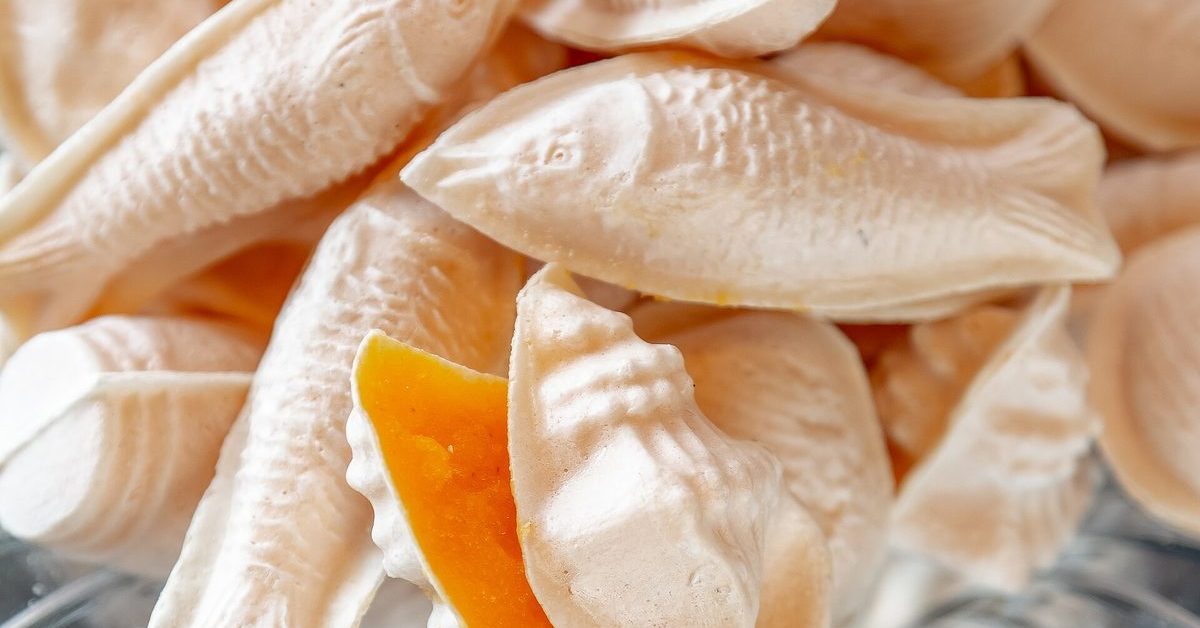
Ovos Moles: The Convent Sweet Aveiro Never Stopped Making
A wafer shell so thin it's barely thicker than a sheet of paper, cracking under your teeth before a deep golden cream…
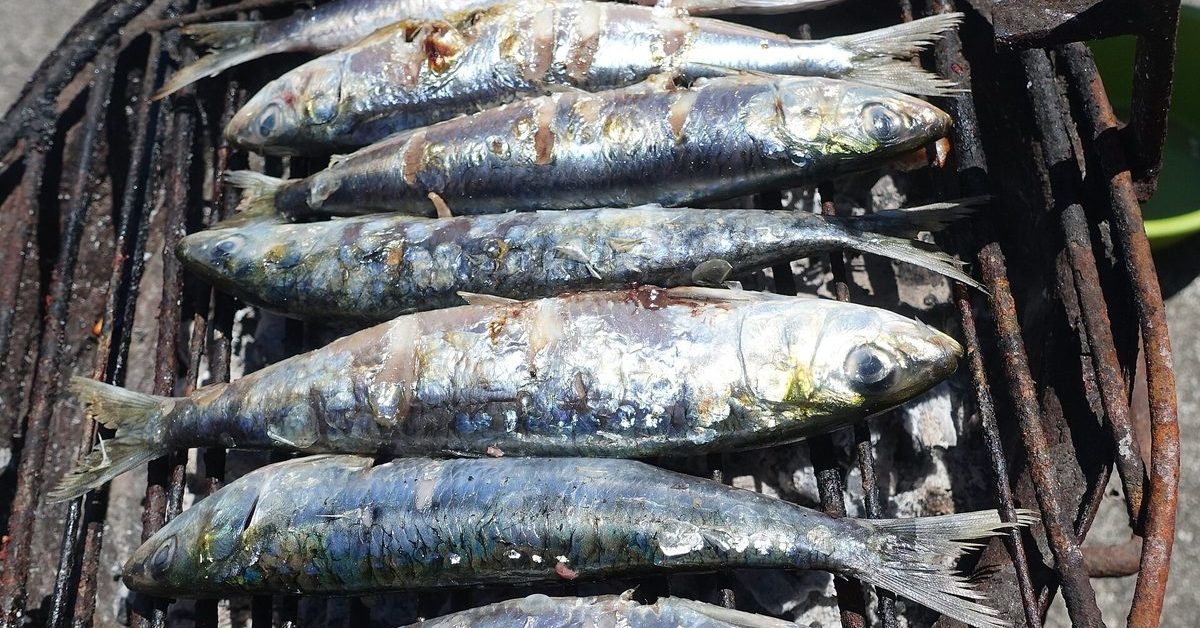
The Sardinhada: Lisbon's Summer Ritual of Grilled Sardines
A grill set right on the cobblestones. A cloud of oily smoke curling up between two façades strung with paper garlands.…
Find our artisan pastries in our Brussels stores or order online.
Order now Our foodtruck for your events Our stores