
Tremoços: the poor man's seafood that goes with beer
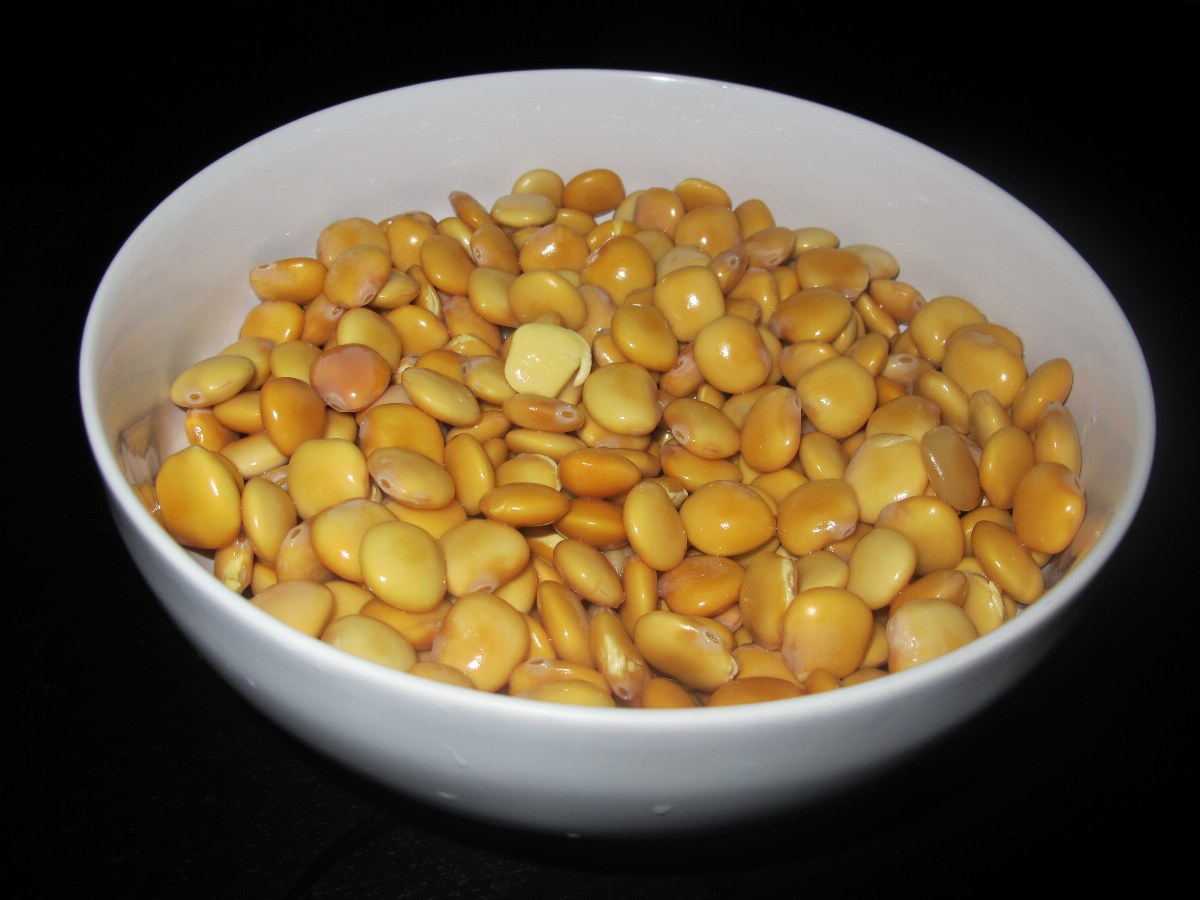
The tremoço is the seed of the white lupin, Lupinus albus. In rural Portugal the plant has been grown for a long time, and it is also sown as fertiliser because it enriches the soil. In Vila Nova, in the municipality of Miranda do Corvo, it is still planted for that reason before the seeds are harvested.
The bitterness that has to go
Raw, the seed is not eaten. Observador is clear about it: leaching is compulsory to remove the alkaloids, which are toxic. The steps are harvesting, drying, cooking, then a long passage through water. In Vila Nova the seeds are rinsed in the water of the levada, the village irrigation channel, because the pH of that water matters.
What stands out is the way this taste is presented as work. A bitter seed becomes a salty snack, and the patience of the water makes all the flavour. There is no shortcut, which is why nobody prepares them lightly. Do not try them at home without knowing how: the bitterness hides alkaloids, and careless preparation is not forgiven.
Salt comes last
Salting is the final step. One producer in Vila Nova chose to stop before salting: the seeds are left unsalted, and everyone adds what they like. A salted tremoço sold in shops contains, according to the source, 3.9 g of salt per 100 g.
How do you know they are ready? Maria da Conceição, in Vila Nova, presses the skin with her fingernail. If it gives, they are ready. No timer, no figures: one gesture, repeated for years.
Vila Nova, selling on Sunday
Maria da Conceição belongs to a family tradition going back several decades, according to Observador. She produces and sells her tremoços in Vila Nova. Sales take place on Sunday, religiously, just after mass. The article gives neither volumes nor prices, and it does not need to: the village calendar says everything about its life.
The poor man's seafood
In Portugal the tremoço is sometimes called marisco do pobre, the poor man's seafood. The nickname says a lot: an inexpensive seed that stood in for shellfish on modest tables, and that became something everyone shares. You find them in summer and in winter, even if we think first of the terraces in spring and summer.
They are served cold, often in tascas, breweries and homes, with a well-chilled beer. The Sounds of Portuguese describes the habit as so ingrained that it is part of the culture. The salt calls for the cold sip, and the cold sip calls for the salt: a pairing that needs no instructions.
The gesture, no knife needed
You eat them in three moves. Pinch the seed between thumb and forefinger, bite the skin, squeeze, and the bean slides out. The skin stays on your fingers or in the bowl. It is a small ritual gesture, repeated without thinking, while you talk to the person next to you.
They are eaten cold. You also find them in salads or on tapas platters, but the bowl set down at the bar remains the truest picture.
Elsewhere around the Mediterranean
In Spain they are called altramuces, a bar snack. In Italy they are lupini, very popular in the south, often at festive occasions. Lupin is eaten in several countries of the Mediterranean and the Middle East, with related preparations, each with its own rhythm.
And Wooly in all this?
At Wooly we make pastéis de nata, and we are in Brussels: in Etterbeek, Stockel, Uccle and Waterloo. If the tremoço makes you curious about other Portuguese small rituals, the pastel de nata category is a good starting point. For online orders, the home delivery in Brussels page sets out what is possible. Our shops are open to visit in person.
Sources: Observador, “A noite em que o tremoço disse à cerveja: sabes, acho que consigo viver sem ti” ; The Sounds of Portuguese, “A Portuguese snack called tremoços”.
Photo: Lupino, CC0, Wikimedia Commons.
Read next

Tomar's Trays Festival: bread carried on the head
Every four years in Tomar, in central Portugal, young women in white dresses walk through the streets with a tray…
Fogaça: the sweet bread that young girls carry on their heads
You don't cut it like a cake: you carry it. Every 20 January in Santa Maria da Feira, young girls walk the streets with…
Barriga de freira: the nun's belly sweet from Portugal
A dessert with a name that makes you smile: barriga de freira, a nun's belly. Egg yolks, sugar, bread and cinnamon, a…
Queijinhos do Céu: the heavenly cheese made with neither milk nor cheese
A small white disc wrapped in paper cut like lace, and yet not a crumb of cheese. The queijinhos do céu come from the…
Pão de ló from Alfeizerão: the cake of the Lisbon–Porto road
On the Lisbon–Porto road, drivers used to stop at Alfeizerão for a pão de ló sold ready-wrapped. With no one at the…
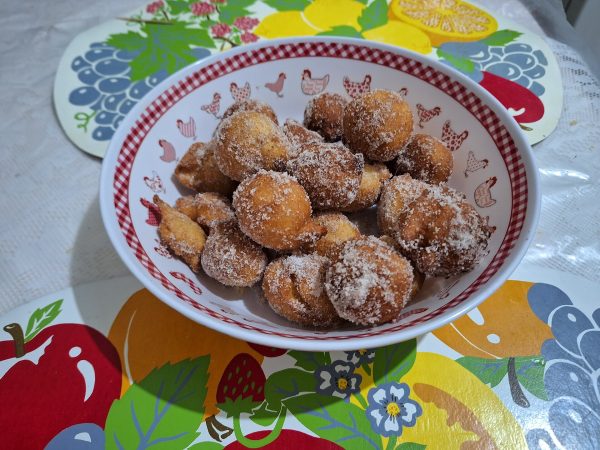
Bolinhos de chuva: the fritter made for rainy days
All it takes is a grey sky over Brussels to get the kitchen going. Runny batter, a spoon, hot oil, and golden fritters…
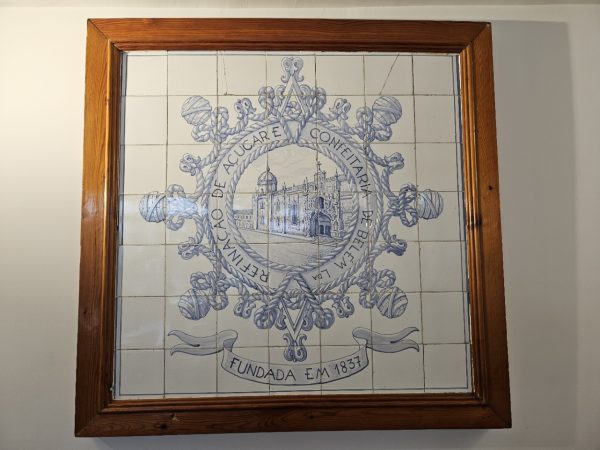
Azulejos in Portuguese pastelarias: the painted tiles that keep Lisbon's cafés
In many pastelarias in Lisbon, your eyes end up looking up at the walls. The painted tiles that cover them have a…
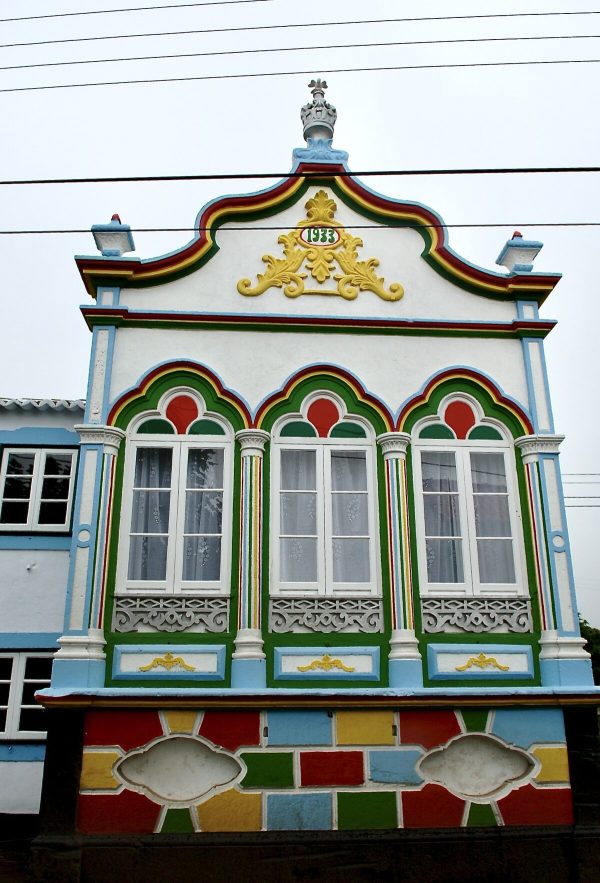
Impérios in the Azores: the house where sweets go to auction
On the island of Terceira, the Holy Spirit feast has its own houses, the impérios. An offering waits there until it is…
Find our artisan pastries in our Brussels stores or order online.
Order now Our foodtruck for your events Our stores