
Cristas de galo: the Vila Real turnover that lost its convent
The icing sugar lands on your fingers first. Then the pastry gives way, thin and slightly crumbly, and releases a golden filling where you can taste almond, cinnamon and egg yolk. Along the edge runs a row of little teeth cut into the dough. That is where this pastry from Vila Real gets its present-day name: crista de galo, the rooster's crest.
For more than two centuries, though, nobody called it that. In the records and in local speech it was pastéis de toucinho, pastéis de Vila Real, sometimes pastéis de toucinho do céu. People even called them viuvinhas, little widows. The rooster's crest came late, once the convent that had created the recipe was gone.
A convent of Poor Clares above the Corgo
Vila Real is the capital of Trás-os-Montes, perched above the gorge of the rio Corgo at the gateway to the Douro valley. In 1602 the convent of Nossa Senhora do Amparo was built there, home to nuns of the order of Santa Clara, the Poor Clares. Like almost every women's convent in Portugal, it became a house of doces conventuais: sweets made of sugar, almonds and egg yolks, the yolks convents had in abundance. We have told the story of why in why Portuguese pastry is so yellow.
The pastel de toucinho of the Poor Clares of Vila Real is a half-moon turnover. The dough is simple: flour, lard, egg and salt. The filling less so. A sugar syrup is made with pork fat, the toucinho, cooked in it, then the syrup is strained so that only its flavour remains. Almonds, eggs and cinnamon go in next. Some versions, like the one recorded in the official register of traditional Portuguese products, also add a tart apple. Fill, fold, cut the edge, bake, and the sugar only goes on once the pastries are out of the oven.
Pork fat in a sweet always surprises people outside Portugal. It is not there as meat: it gives the syrup a roundness and depth that almonds alone cannot. It is the same logic as in toucinho do céu, "bacon from heaven", whose name has long outlived the ingredient.
Trays through the streets on Fat Thursday
These were no everyday dessert. In the convent they were eaten on quinta-feira gorda, the Fat Thursday of carnival. They were also baked for the "obligations" the convent kept with the town: the eve of the feast of Saint Clare, Palm Saturday, and Saint Dominic's day.
On those days the convent's servants went out into the streets with huge trays, boxes and bowls. They carried the pastéis to the members of the municipal Senate, to the judges, and to everyone who served the community: the doctor, the bloodletter, the chaplain, the altar boys, the sexton. A pastry as an official courtesy, delivered door to door.
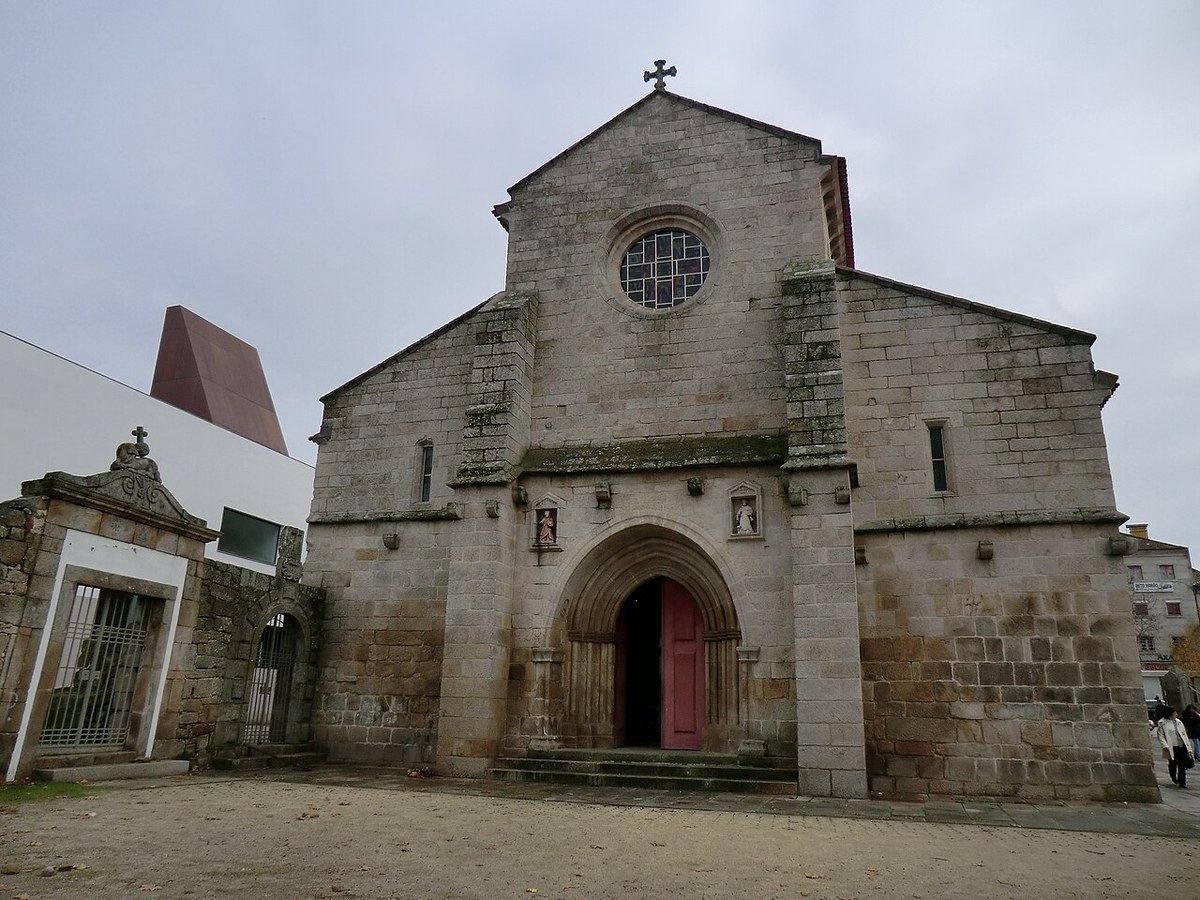
The photo with this article shows the Igreja de São Domingos, now the cathedral of Vila Real. Saint Dominic's day was precisely one of those distribution days.
The convent falls, the recipe moves into town
Those same servants saved the recipe. As Portugal's convents closed or lost their standing, the nuns' secrets passed through them into private homes. Vila Real still remembers the women who made the pastéis eighty or a hundred years ago: Teresa, Preciosa, Filomena, Maria Preciosa. And two addresses: casa Fafoa, and the Padaria Vilarealense, today Casa Lapão, which has kept the convent recipes alive for more than eighty years.
The convent of Santa Clara itself was demolished in the early twentieth century. Without it, calling the pastry after the convent made little sense. The shape took over: that edge of regular teeth, like the comb of a rooster. Over recent decades crista de galo became the accepted name, so much so that many visitors never learn it once had another.
The pito, its neighbour in the window
In Vila Real the rooster's crest shares the shop window with another pastry, the pito de Santa Luzia: a square of dough with its four corners folded to the centre, filled with pumpkin jam and cinnamon. On 13 December, Saint Lucy's day, tradition has the girls give a pito to the boys. The boys return the favour on 3 February, São Brás day, by giving the girls ganchas, sugar sweets.
Two pastries, two feasts, and a whole town talking to itself through cakes. That is often how it goes in Portugal: a recipe is rarely just a recipe. It is a calendar, an exchange, a way of saying thank you.
What the rooster's crest reminds us of in Brussels
At Wooly we do not make cristas de galo: it is a Vila Real pastry, and it deserves to be tasted there, looking out over the Corgo gorge. But the family of convent pastries is very much present in our counters in Brussels. The pastel de Tentúgal, born with the Carmelite nuns of Tentúgal, is its closest cousin: an almost translucent pastry, a cream of egg yolks, icing sugar on your fingers. You will find it in our shops, including Stockel, in Woluwe-Saint-Pierre, as well as Etterbeek, Uccle and Waterloo.
Next time you pass through Trás-os-Montes, look for the teeth along the edge of the turnover. They tell the story of a vanished convent.
Photo: Igreja de São Domingos, cathedral of Vila Real, by Alegna13, Wikimedia Commons, licence CC BY-SA 3.0.
Read next
Trouxas de ovos: the little egg bundle you bring home from Caldas da Rainha
A thin sheet of egg poached in boiling syrup, rolled around its own trimmings, glossy as a jewel. Nobody ever leaves…
Pastel de bacalhau: the salt cod shaped between two spoons
It comes out of the oil golden, with three sharp ridges and a soft centre. Behind the pastel de bacalhau lies a fish…
Pastel de Vouzela: the recipe nobody ever wrote down
Very thin pastry, a cream of egg yolks, a veil of icing sugar. The pastel de Vouzela came out of a Porto convent, is…
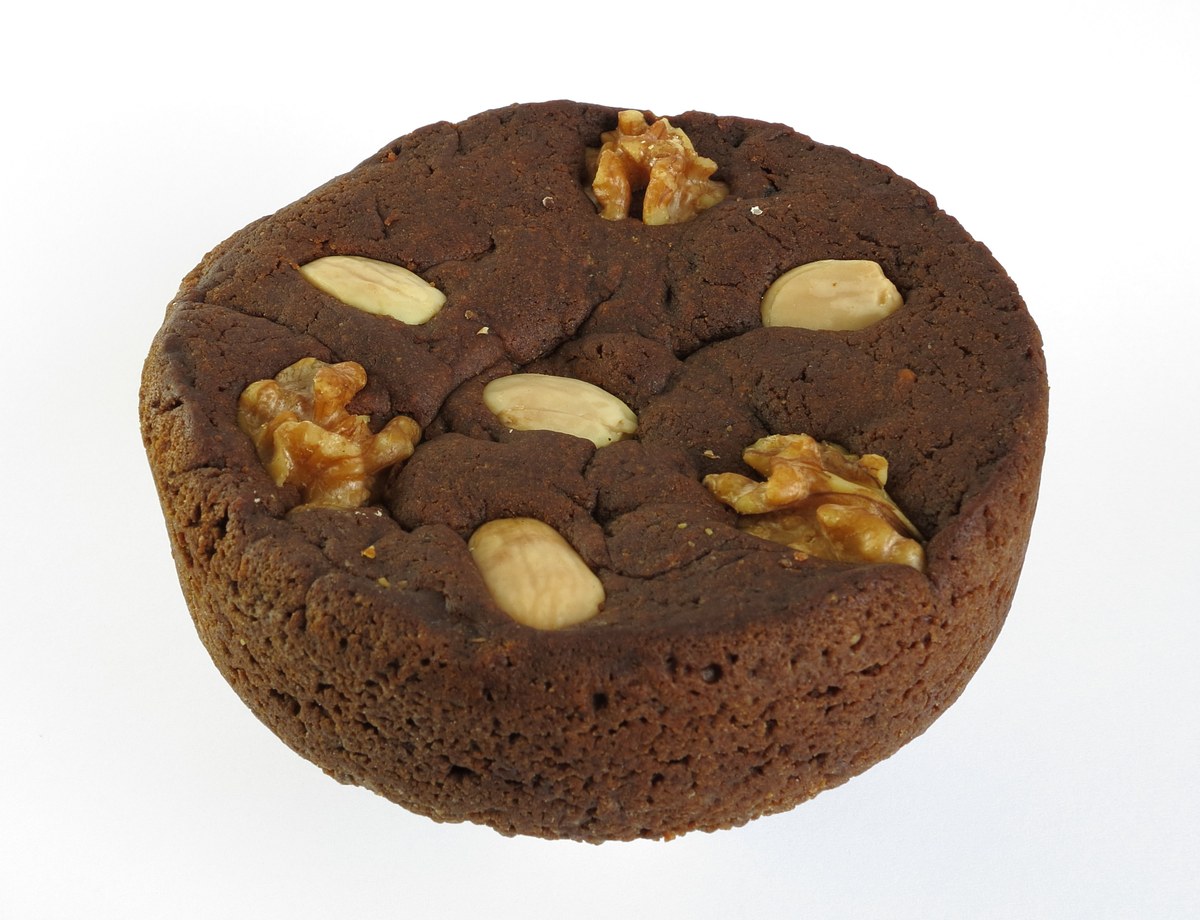
Bolo de mel: the Madeira cake you break by hand, never with a knife
A low, dark, dense disc studded with almonds and walnut halves. On Madeira it is baked on 8 December so that it is…
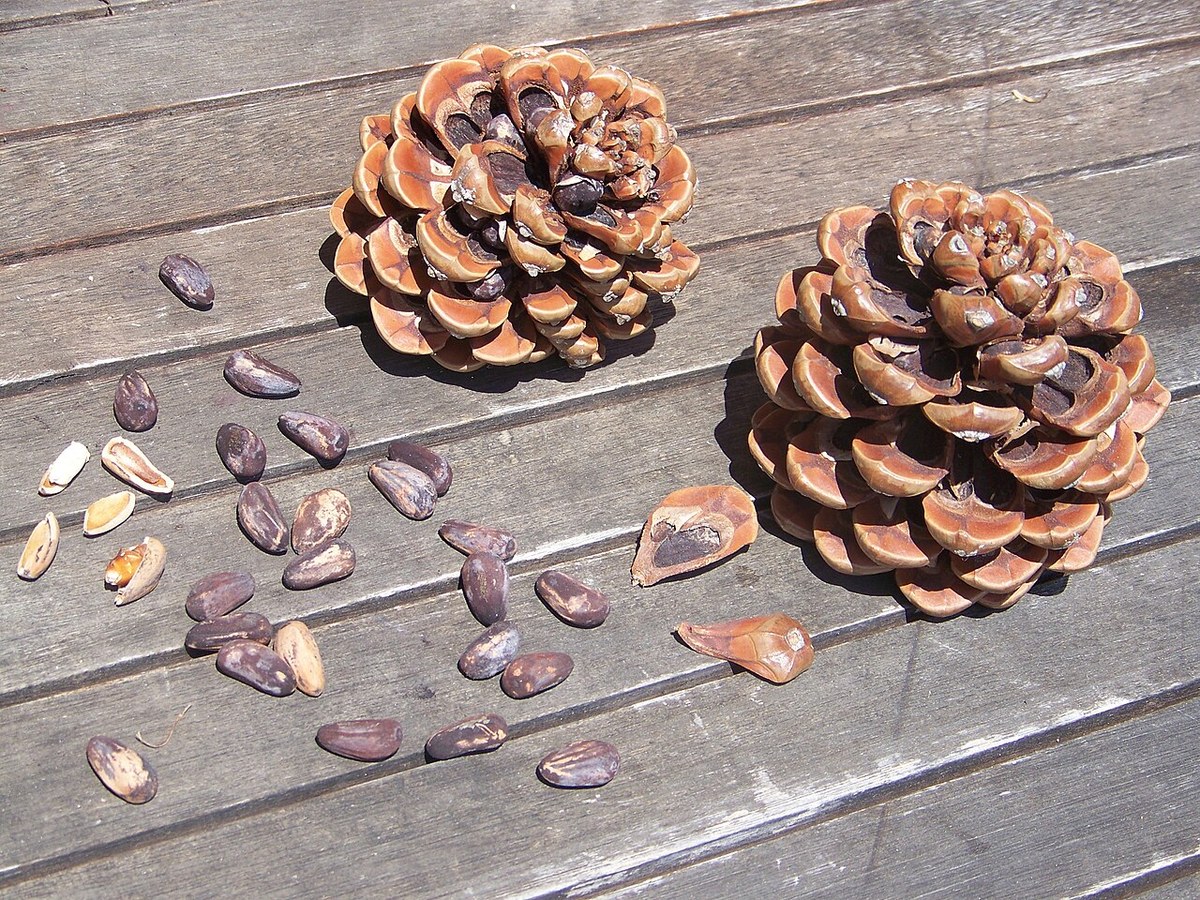
Pinhoada: the honey and pine nut diamond from Alcácer do Sal's roads
A brown diamond, hard as a tile, folded two by two into thick white paper. The pinhoada from Alcácer do Sal is made of…
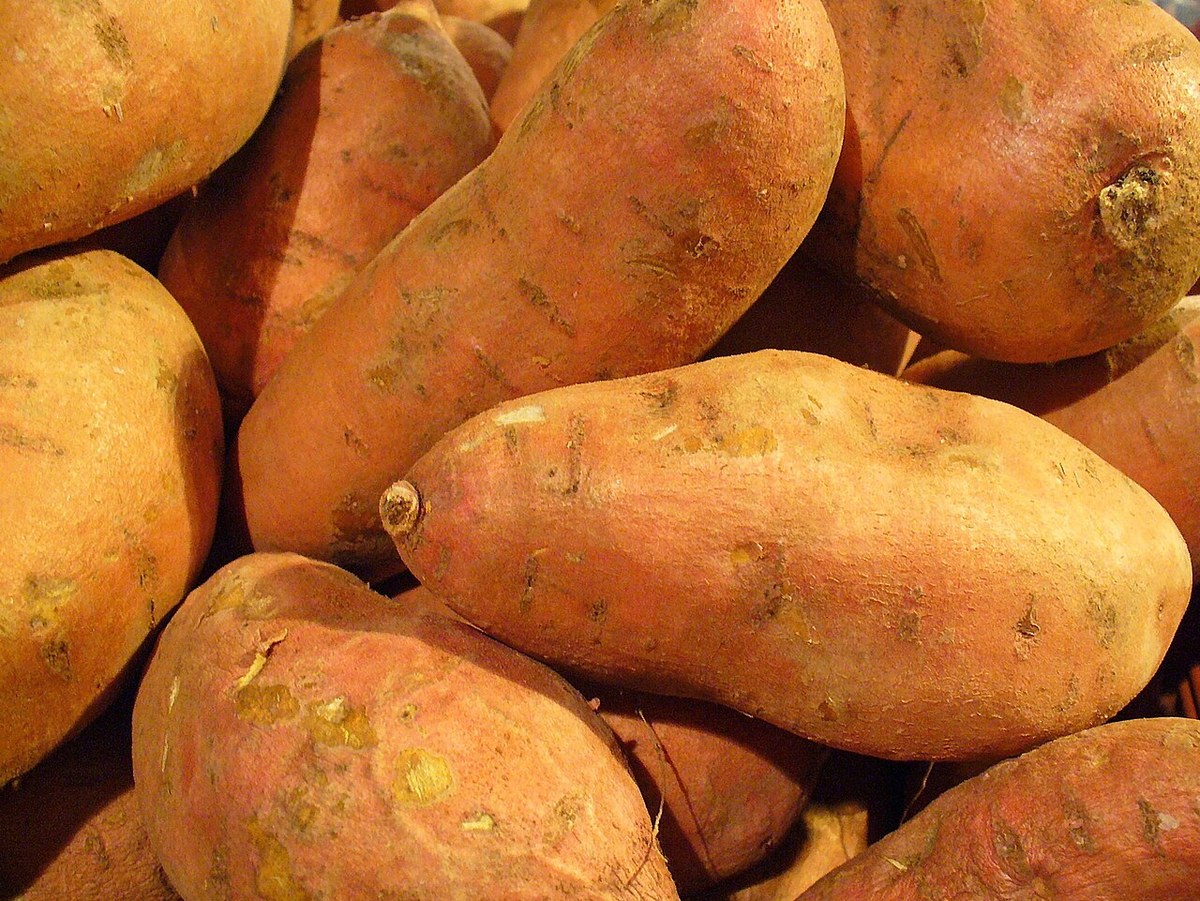
Batata-doce de Aljezur: a legend three centuries too early
It comes out of the ground still wearing its sand, heavy and oddly fragrant. In Aljezur they say it won a battle in…
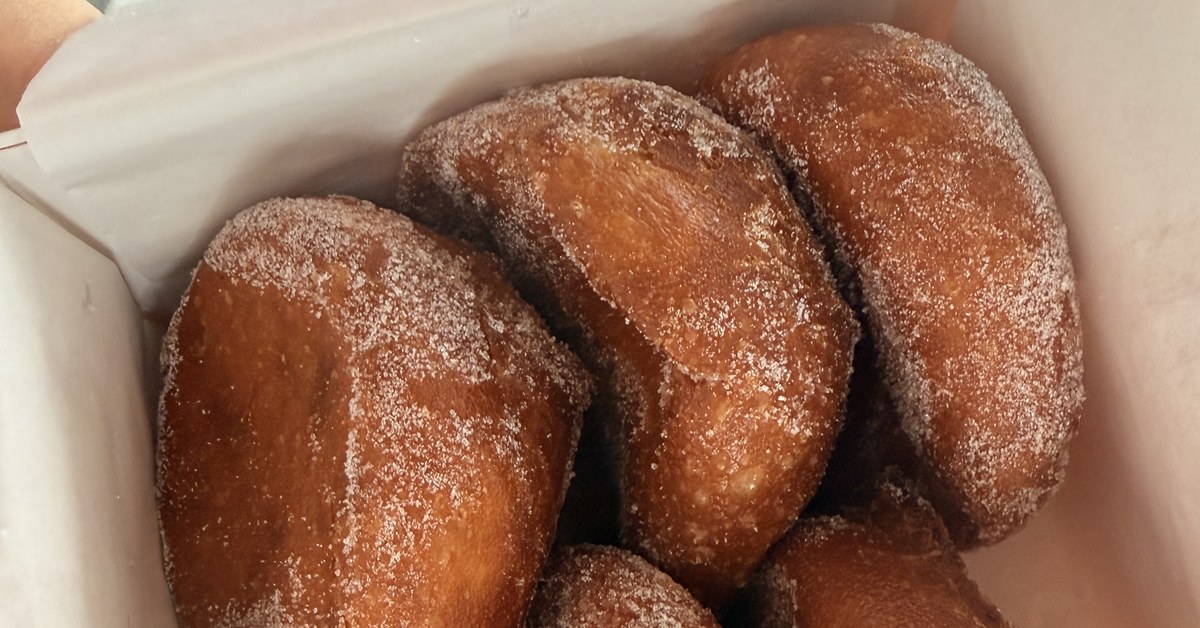
Malassada: the Azorean doughnut that became a Hawaiian icon
The sugar sticks to your fingers before the first bite. No hole in the middle, no glaze: just a golden ball, still…

Portokali: the orange named after Portugal, from Athens to Tehran
Ask for an orange at a market in Athens and you will be handed a portokali. In Istanbul, a portakal. All across the…
Find our artisan pastries in our Brussels stores or order online.
Order now Our foodtruck for your events Our stores