
Pastel de bacalhau: the salt cod shaped between two spoons
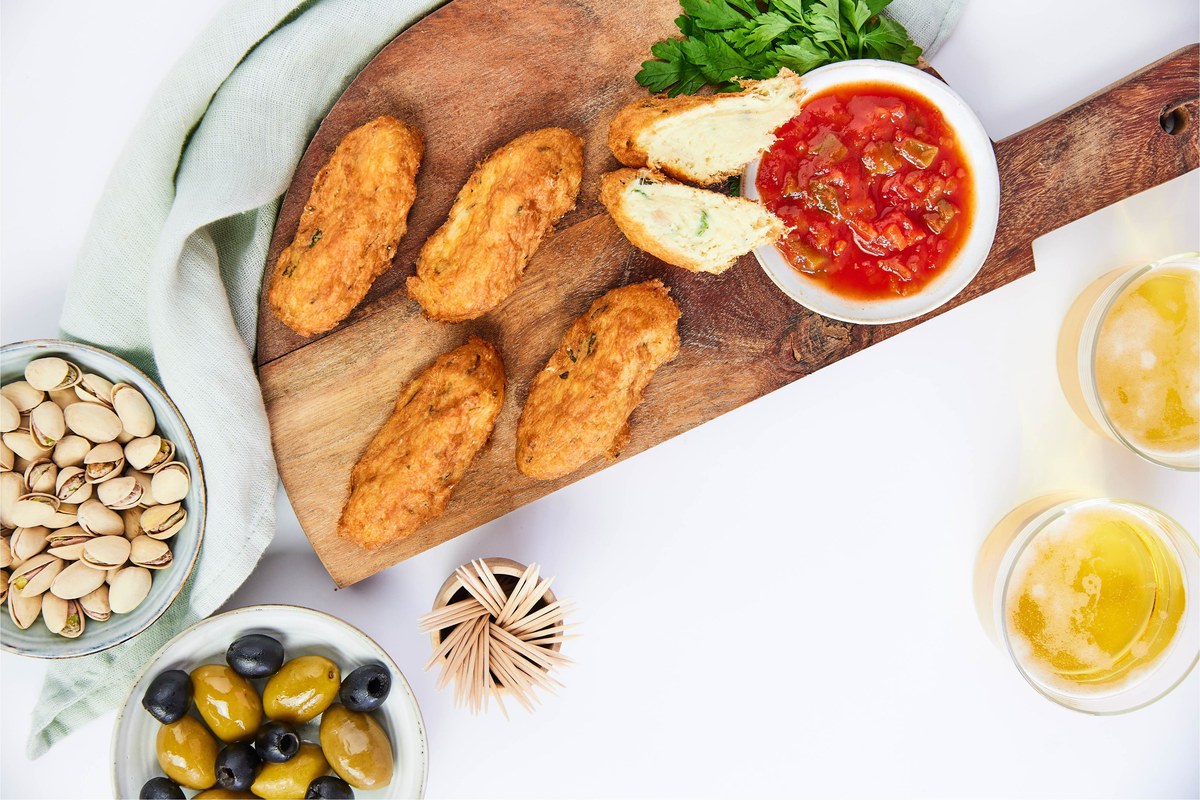
The crust crackles under your teeth, thin and almost dry, then gives way at once to something soft and flaky at the same time. You taste the salt of the sea, the gentleness of potato, a hint of parsley. In Portugal it is eaten standing at the counter, cold from a plastic box at a motorway service station, hot from the fryer of a tasca, or by the dozen at a wedding buffet. The pastel de bacalhau is everywhere, and nobody ever tires of it.
Yet this little golden oval tells a strange story: that of a country facing the ocean which made a national dish out of a fish it cannot find in its own waters.
A fish from the far North
Bacalhau is cod. Not fresh cod, but salted and dried cod, stiff as a board, stacked high in Portuguese grocery shops and filling the whole room with its smell. Cod does not live off the coast of Lisbon: it has to be fetched from the cold waters of the North Atlantic, around Newfoundland, Iceland or Norway.
Salting and drying solved a simple problem: keeping the fish through months at sea and then in the larder, with nothing but salt and wind. That preservation made cod the food of fasting days, sailors and modest households long before it became a symbol. The Portuguese call it the fiel amigo, the "faithful friend", and they like to say there is a bacalhau recipe for every day of the year.
The White Fleet and the dories
In the twentieth century, Portuguese cod had a face: the Frota Branca, the "White Fleet", sailing ships and trawlers painted white that left every spring for the banks of Newfoundland and Greenland. Once there, the fishermen climbed down into dóris, small flat-bottomed boats in which each man fished alone with a hand line, sometimes far from the mother ship, in fog and cold. The fish was split, salted and stacked on board for the whole campaign, which lasted several months.
A hospital ship sailed with the fleet, the Gil Eannes, now moored in Viana do Castelo as a museum. It is a tangible trace of what this fish cost: months away from home so that cod could reach the country's kitchens.
Pastel or bolinho: the quarrel over the name
In Lisbon and the South, people say pastel de bacalhau. Drive up to Porto and the Minho, and the very same oval becomes a bolinho de bacalhau. Nobody gives in, and each side finds the other's word slightly ridiculous. Same snack, same ingredients, same frying: only the word changes as you cross the Mondego, as so often in Portugal, where everyday vocabulary draws an invisible border between North and South.
The word pastel is misleading, too. There is no pastry at all: it is a shaped and fried mixture, closer to a croquette than to a turnover. That sets it apart from the rissol, which does wrap its filling in real dough, a difference we explain in our article Empanada, chamuça, rissol: which is which?
The two-spoon gesture
It all starts the day before. The dried cod has to be desalted: it soaks in cold water, changed several times, for one or two days depending on its thickness. Then it is briefly cooked, skinned and boned, and shredded by hand, fibre by fibre. It is patient work, and it is what gives the pastel its texture: cod blitzed in a food processor makes a smooth, dull paste, while hand-flaked cod leaves the fine threads you can feel as you bite.
The fish is then mixed with dry mashed potato, eggs, chopped parsley and often a little onion. And then comes the gesture everything depends on: taking a spoonful of the mixture and passing it from one spoon to the other, several times, turning it each time, until you have a smooth oval with three faces. The sharp ridges between those faces are the signature of a hand-shaped pastel. They brown faster than the rest and give that particular crunch.
The pastel then goes into hot oil, just long enough to turn amber, and rests on paper. It is eaten hot, warm or even cold: it is one of the few fried foods that lose nothing by waiting, which is why it travels so well to picnics, buffets and grandmothers' tins.
What to eat it with
- As a petisco, standing at the counter, with a glass of white wine or a cold beer.
- As a meal, with a bright red arroz de tomate or a simple salad, sometimes with rice and beans.
- At a party, piled on the platters of christenings, communions and weddings, next to rissóis and croquettes.
It has its modern quarrels too. When a shop in Lisbon's Baixa started selling tourists a pastel de bacalhau filled with Serra da Estrela cheese, plenty of Lisboetas protested: to them, cheese has no place in a bolinho. The debate shows how closely this little oval is guarded as heritage.
In Brussels
In our display cases, the pastel de bacalhau sits next to the rissóis and the chamuças, and many Portuguese customers pick it before even looking at the cakes. You will find it in our Brussels shops in Stockel, on Rue des Tongres in Etterbeek and in Uccle, as well as in Waterloo, or you can order it from the pastel de bacalhau page. For an aperitif, look for the three golden ridges: they tell you someone took the time for the two spoons.
Read next
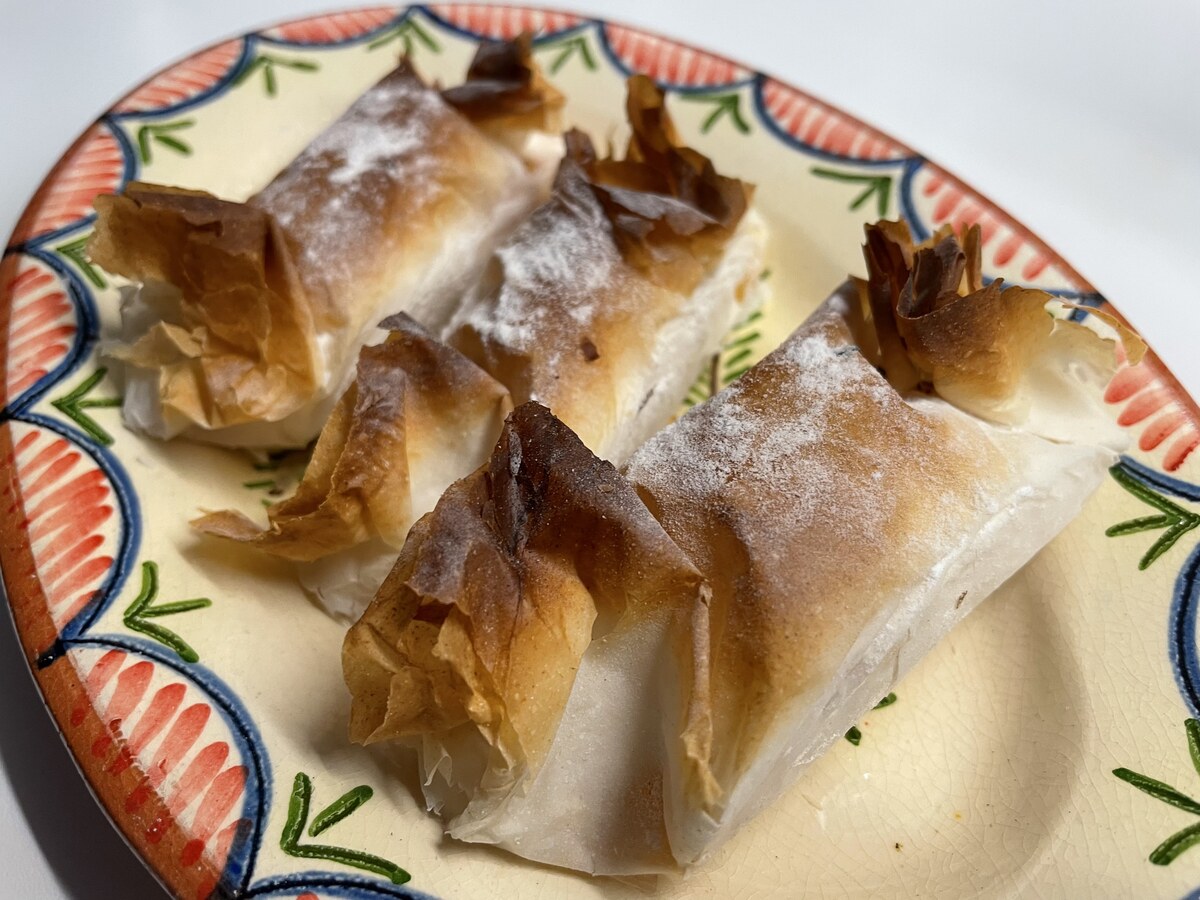
Pastel de Vouzela: the recipe nobody ever wrote down
Very thin pastry, a cream of egg yolks, a veil of icing sugar. The pastel de Vouzela came out of a Porto convent, is…
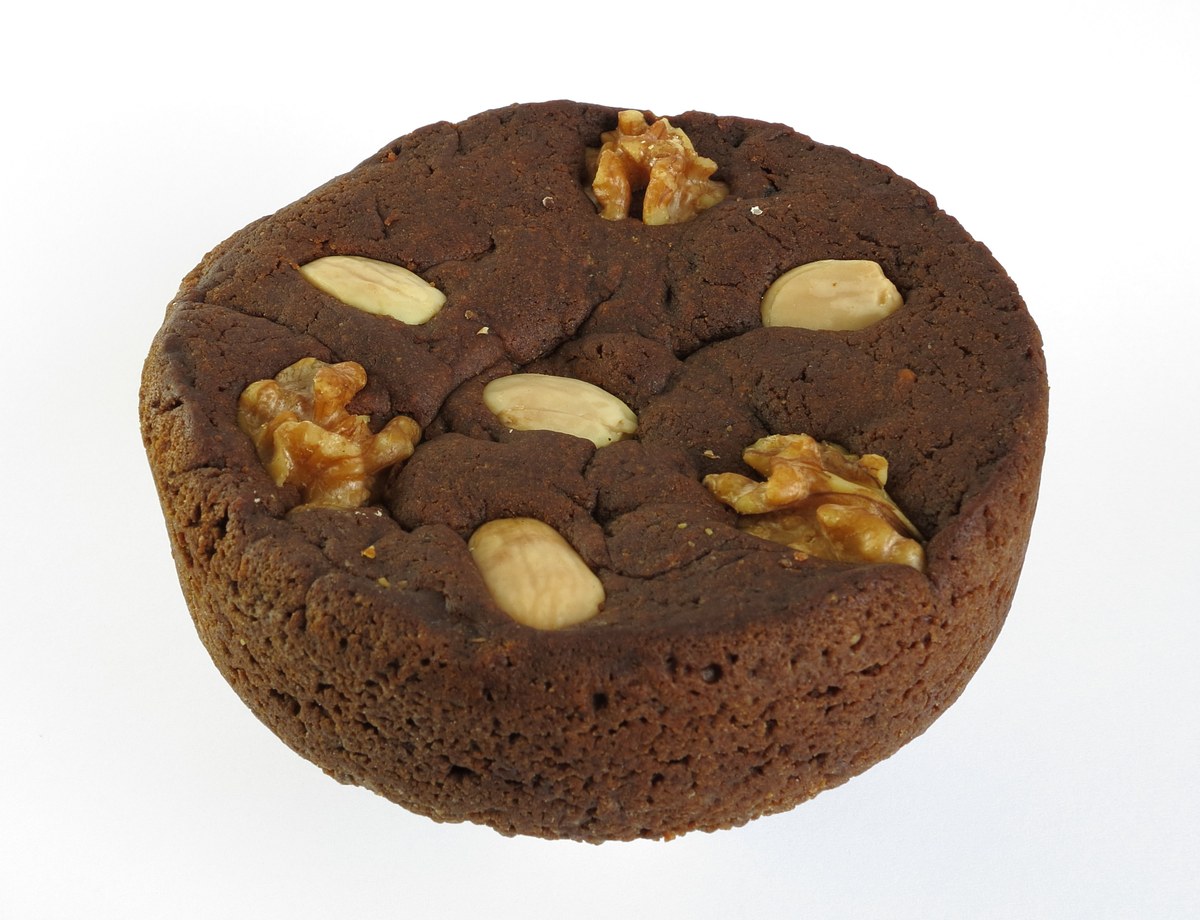
Bolo de mel: the Madeira cake you break by hand, never with a knife
A low, dark, dense disc studded with almonds and walnut halves. On Madeira it is baked on 8 December so that it is…
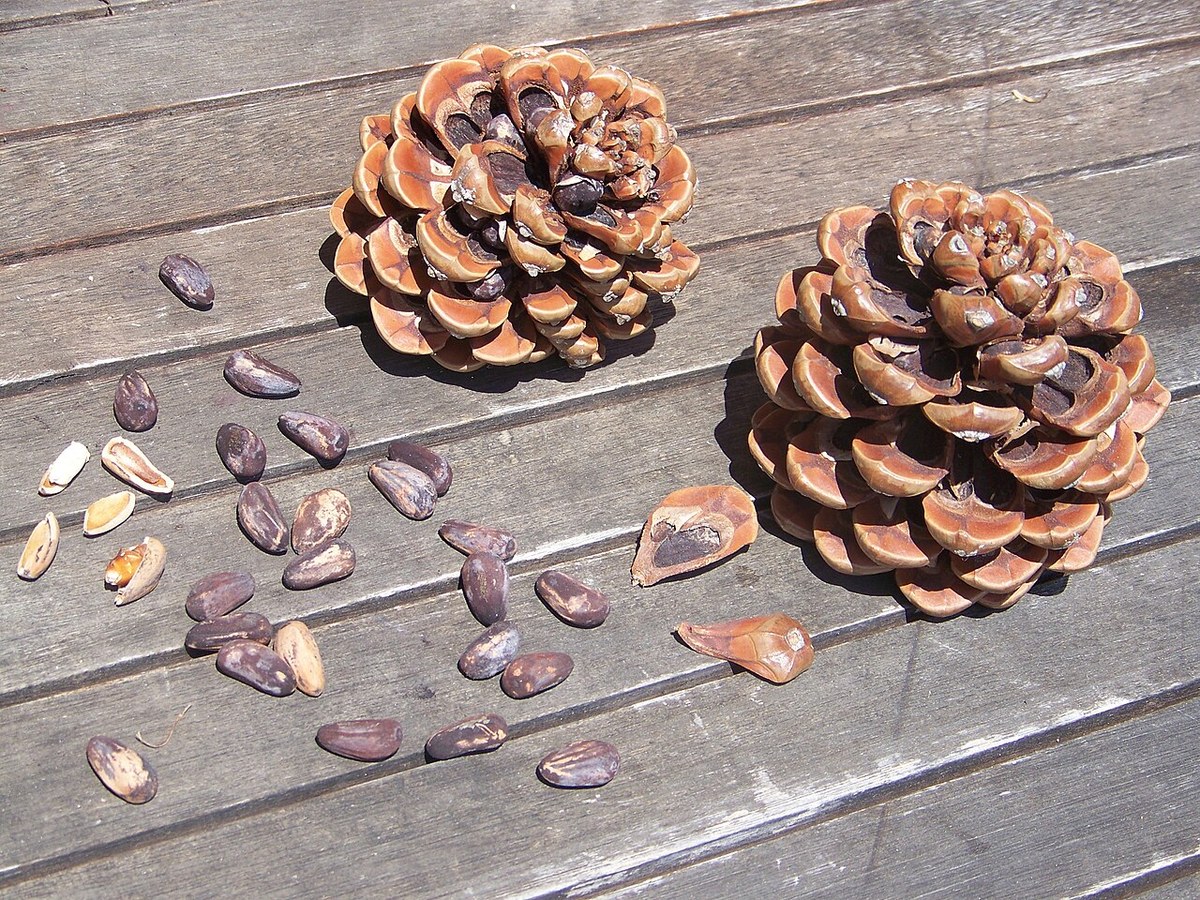
Pinhoada: the honey and pine nut diamond from Alcácer do Sal's roads
A brown diamond, hard as a tile, folded two by two into thick white paper. The pinhoada from Alcácer do Sal is made of…
Batata-doce de Aljezur: a legend three centuries too early
It comes out of the ground still wearing its sand, heavy and oddly fragrant. In Aljezur they say it won a battle in…
Malassada: the Azorean doughnut that became a Hawaiian icon
The sugar sticks to your fingers before the first bite. No hole in the middle, no glaze: just a golden ball, still…
Portokali: the orange named after Portugal, from Athens to Tehran
Ask for an orange at a market in Athens and you will be handed a portokali. In Istanbul, a portakal. All across the…
Castanhas de ovos: the chestnuts of Viseu made from egg yolks
Small golden chestnuts, ridged, a little scorched on top. None of them has ever seen a chestnut tree: in Viseu they are…
Pão de rala: the fake loaf of Évora that the nuns offered a king
It has the shape of a country loaf and the name of a poor man's flour. Under its crust, though, there is nothing but…
Find our artisan pastries in our Brussels stores or order online.
Order now Our foodtruck for your events Our stores