
Meias-luas of Viana: the pastry you bought without seeing a soul
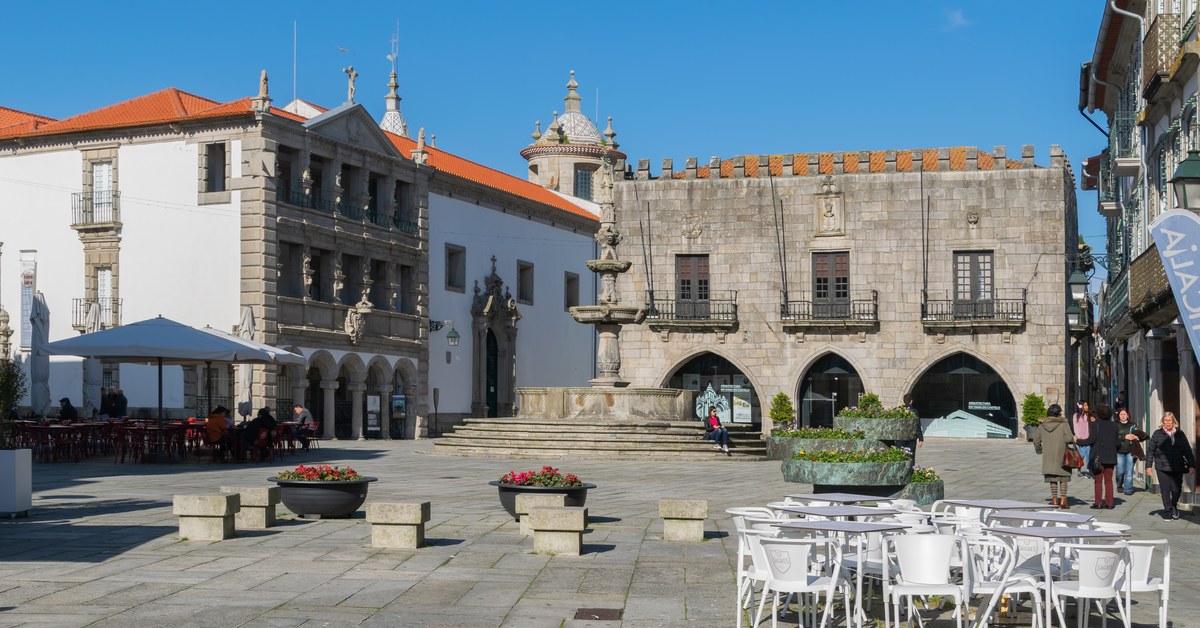
A coin laid on a wooden tray. A half turn of the cylinder. The pastry appears, wrapped in thin paper, and nobody has seen anybody. In Viana do Castelo, at the very north of Portugal, this is how you bought meias-luas: through a roda, the turning hatch set into a convent wall that lets things pass but never glances.
The town sits at the mouth of the Lima, between the ocean and the hills of the Minho. It received its charter in 1258 from D. Afonso III, and spent the following centuries facing the Atlantic: cod from the north, ships to Brazil, merchant fortunes that paid for the carved façades of the Praça da República. A port town, rich in granite and worked gold. And, like every slightly older Portuguese town, a town of convents.
The roda, or the art of buying without seeing anyone
Meias-luas come from the Recolhimento de Santiago, a refuge that took in girls left there as children by their families. They grew up inside, were taught inside, and worked inside, not least in the kitchen, whose pastries kept the house running.
The roda is a revolving wooden cylinder built into the door. You set your money on one side; you turned; you took the pastries, wrapped in light paper, from the other. No face, no name, no conversation. The detail that catches in the throat is that the same mechanism, in institutions like this, had first served to receive abandoned children: you laid the child down, you turned, you walked away. The wheel that had taken those girls in later sold what they made.
What is inside a meia-lua
The pastry is austerity itself: wheat flour, butter, water, salt. Nothing else. It is rolled thin, cut, and folded over a filling that has no real equivalent anywhere in the Portuguese repertoire: cassava flour, eggs, sugar and ground almonds.
The cassava is surprising until you remember where you are: a port that traded with Brazil for centuries. The flour arrived on the quays and stayed in the recipe, where other regions would have reached for semolina or breadcrumbs. It gives the filling a silky, faintly springy body that takes up butter without collapsing.
It is folded into a half-moon, hence the name, about ten centimetres across. Then fried, half oil and half butter, and dusted with icing sugar. This is festive baking, long reserved for great occasions; you will find it year-round today, but the habit of offering it at moments that matter never went away.
Its kinship with the almond sweets of the convents is no accident: across almost all of Portugal, convents built their pastry on the same three pillars, egg yolks, sugar, almonds. The ovos moles of Aveiro sit at the other extreme, with barely any flour at all.
1834, the year the convents had to sell
One piece of history explains how these recipes left the cloister. In 1834 Portugal abolished the religious orders and seized their property. Entire communities lost their income overnight. What remained was the thing they did better than anyone: sugar. Convent pastry, until then a matter of gifts, dowries and offerings to visitors, became a living, and, a generation later, the stock in trade of the pastelarias that took the recipes over.
A great many Portuguese sweets we eat today date precisely from that turning point: they were born behind a grille, and reached us because the grille came down.
August, the month Viana fills up
If you want to see the town at its most itself, the moment is now. The Romaria de Nossa Senhora d'Agonia runs from 15 to 23 August 2026. It grew out of a fishermen's brotherhood founded in 1744, and Portugal calls it the queen of its romarias.
The moment everyone waits for is the Mordomia procession: women in embroidered Minho costume, wearing the gold of Viana across the chest, chains, hearts, filigree, accumulated one generation at a time. Family jewellery, not stage props. Many Vianenses who live and work elsewhere, including abroad, arrange to be home that week.
The torta, the town's other sweet name
Meias-luas do not stand alone. The torta de Viana, a roll filled with egg cream, also claims convent descent: tradition places it in the 16th century at the convent of Santa Ana, under the older name torta real. It has been certified as a traditional sweet of the town, which in Portugal amounts to carving a recipe into granite.
And in Brussels?
We do not make meias-luas at Wooly, in fairness, they are a Viana speciality and they deserve to be sought out there. But the family they belong to, the convent sweets of egg and almond, is exactly what we work with every day in Brussels: our ovos de coco and almond sweets come down the same line, the same trio of egg yolk, sugar and ground almond that has lasted five centuries.
If you would like to taste that kinship, our Etterbeek shop on Rue des Tongres always keeps a few beside the pastéis. No wheel to turn here: we look you in the eye and say hello.
Photo: Praça da República, Viana do Castelo, Krzysztof Golik, CC BY-SA 4.0, via Wikimedia Commons.
Read next
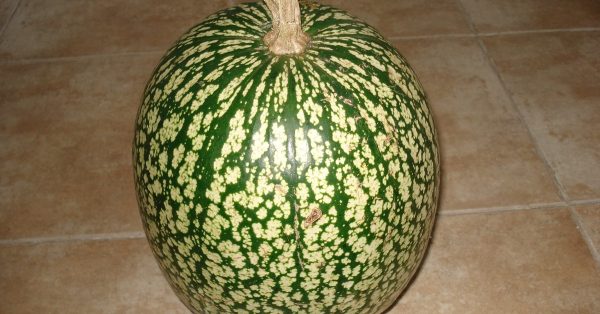
Doce de gila: the squash you smash on the ground to make a dessert
You do not cut it open, you throw it on the ground. And what comes out of the broken squash looks nothing like a…
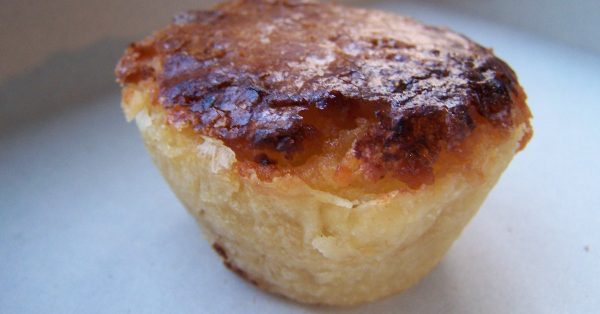
Pastel de feijão: the Portuguese pastry that hides beans
You bite into it looking for almond, and you find almond. What you never find is the white bean that makes up half the…
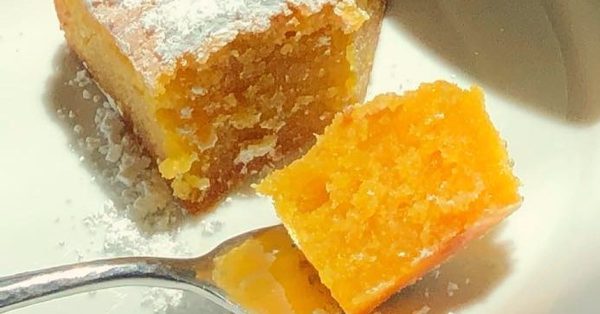
Toucinho do céu: the cake named after an ingredient it no longer contains
Its name means "bacon from heaven". The lard disappeared from the recipe long ago, but the name stayed, and so did the…
Sericaia: the Portuguese dessert that has to crack to be right
In the Alentejo, this dessert is never turned out of its dish, never smoothed over, never rescued. It comes out of the…
Pão de Ló: The Portuguese Cake Pulled From the Oven Too Soon
You push a spoon in and the middle runs. In any other European bakery this cake would be a failure. In Portugal it is…
Bica: What the Portuguese Actually Order at the Counter
Thirty seconds at the counter, one word, a small cup. Portuguese coffee is not a break: it is a punctuation mark in the…
Empada, chamuça, rissol: which is which?
Empada, chamuça, rissol, empanada: four parcels that look alike and have almost nothing in common. How to tell them…
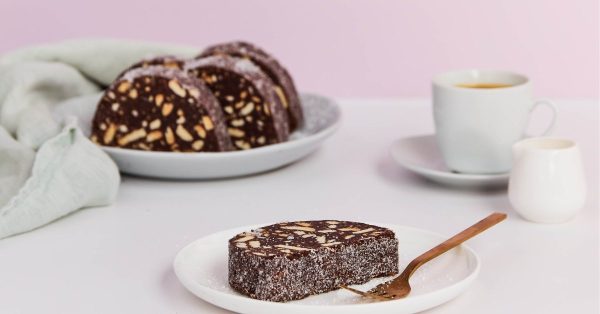
Salame de chocolate: the Portuguese chocolate salami
It looks like a salami, is sliced like a salami, and contains not a gram of meat. What it is, where it comes from, and…
Find our artisan pastries in our Brussels stores or order online.
Order now Our foodtruck for your events Our stores