
Sericaia: the Portuguese dessert that has to crack to be right
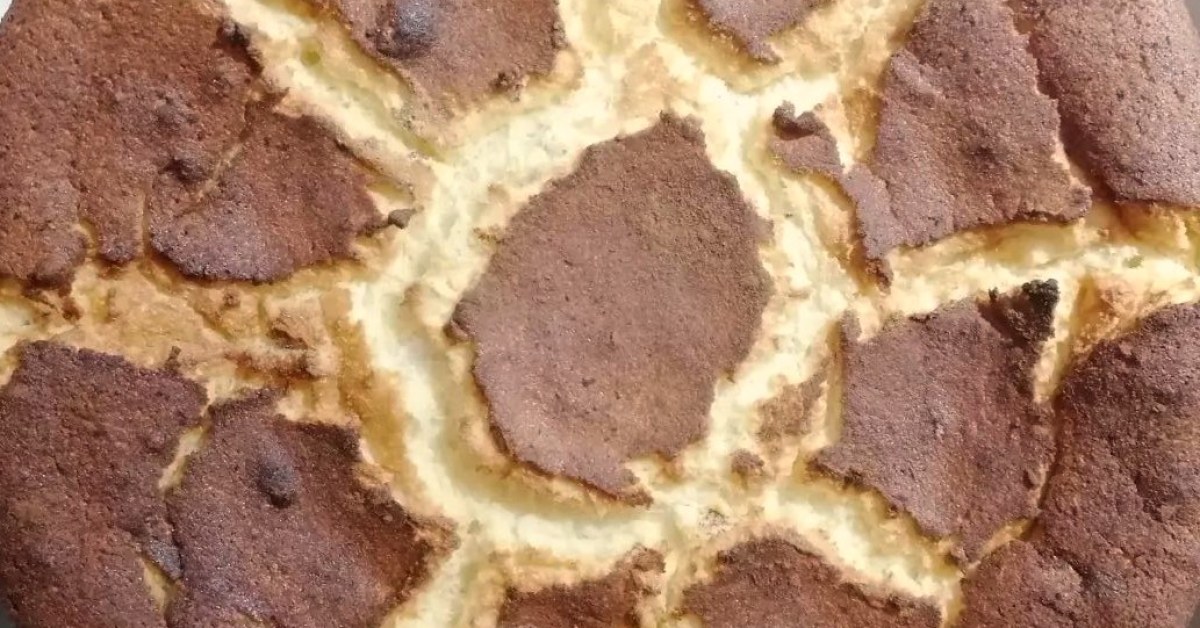
It comes out of the oven split from edge to edge. The top has broken into wide brown plates, the cinnamon has torn along uneven lines, and in the crevices a pale custard is still trembling. In any other European kitchen you would call that a failure. In the Alentejo it is the other way round: a smooth sericaia is a failed sericaia.
The sericaia (or sericá, depending on which village you ask in) is one of Portugal's great doces conventuais. Eggs, sugar, a little flour, milk, plenty of cinnamon: nothing more. Its whole character comes from one gesture and one bake.
A dessert judged by its cracks
The secret is not in the ingredient list, it is in the way the dish is filled. The batter is never poured: it is spooned in às colheradas desencontradas, ladle by ladle, deliberately laid against itself at odd angles, and the surface is never smoothed. Every spoonful becomes a small dome. Every dome rises on its own account in the oven.
The dish itself is traditionally earthenware, sometimes tin. The cinnamon goes on last, over the top, just before baking. Allow around an hour and a half in a wood-fired oven. The dessert rises, falls back, tears open, and the web of fissures that appears is not a baking accident: it is the signature. Every sericaia carries a different one, like a fingerprint.
From Malacca to the Alentejo, an uncertain route
Its origin has never been settled, and that may be what makes it interesting. A receituário from 1623 claims the recipe was brought back from the East in 1562 by D. Constantino de Bragança, seventh viceroy of Portuguese India. The legend goes further still and traces it to Malacca. Other trails point to India, or to Brazil, where related preparations exist.
What is certain is that cinnamon does not turn up by chance in a southern Portuguese kitchen in the sixteenth century. It arrives by ship, through the trading posts, along the very route that gave Portuguese pastry its unmistakable flavour. The sericaia carries that history in its scent long before it carries it in its name.
Elvas or Vila Viçosa: two convents, two names
Two towns in the Alto Alentejo claim the dessert, and the quarrel has left a visible mark: it has two names. The story goes that the sericaia was born at the Convento das Chagas in Vila Viçosa, and that it was among the Poor Clares that cinnamon was added to the recipe. The nuns of the convents of Elvas and Vila Viçosa are said to have spread it across the region in the eighteenth century.
Which of the two towns is right hardly matters now. That kind of rivalry is the ordinary engine of Portuguese pastry: convents had egg yolks in abundance, the whites went to clarifying wine and stiffening habits, and each community built its recipe against its neighbour's.
The plum that takes two months to become a sweet
A sericaia is perfectly good on its own. But in Elvas it is served with an ameixa d'Elvas, and the pairing has become inseparable. This is no ordinary plum: the ameixa d'Elvas holds a protected designation of origin, reserved for the Rainha Cláudia Verde variety grown within a delimited area of the Alto Alentejo.
Its transformation is almost unreasonably slow. The plum is picked in early summer, still firm, barely into ripeness, picked ripe, it would collapse in the first boiling. It is cooked whole for a quarter of an hour, then laid in a sugar syrup that is concentrated step by step. There it stays for at least two months. In other words: plums gathered at the height of summer are only ready to serve at the very end of the season. Nothing about this dessert is quick.
What the sericaia says about Portuguese sweets as a whole
Egg yolks, sugar, cinnamon, an oven and a great deal of patience: the sericaia speaks exactly the same language as the ovos moles of Aveiro, or the cinnamon-dusted arroz doce that closes a family meal. Three desserts, three textures, one origin: convent kitchens and the mountain of yolks they were left with.
That is also why a Portuguese person recognises a sericaia with their eyes closed, by smell alone. Warm cinnamon over baked egg is the smell of a Sunday.
And in Brussels?
The sericaia is not in our window: it is a dessert of the dish, of the table, of the home, served with a spoon and a poor traveller. But its whole family is there. The torta de Azeitão, rolled around its egg-yolk cream, is the closest cousin; the coconut and almond eggs are the other branch. In our four shops around Brussels and Brabant (rue des Tongres in Etterbeek, Stockel, Uccle and Waterloo) the same convent sweets come out of the oven several times a day, with the same cinnamon and the same yolks.
And if you try it at home: do not smooth it. Spoon it in, let the oven do the work, and judge the result by its cracks.
Sources: Direção-Geral de Agricultura e Desenvolvimento Rural, “Sericaia de Elvas”; Wikipédia (pt), “Sericaia”.
Read next
Pão de Ló: The Portuguese Cake Pulled From the Oven Too Soon
You push a spoon in and the middle runs. In any other European bakery this cake would be a failure. In Portugal it is…
Bica: What the Portuguese Actually Order at the Counter
Thirty seconds at the counter, one word, a small cup. Portuguese coffee is not a break: it is a punctuation mark in the…
Empada, chamuça, rissol: which is which?
Empada, chamuça, rissol, empanada: four parcels that look alike and have almost nothing in common. How to tell them…
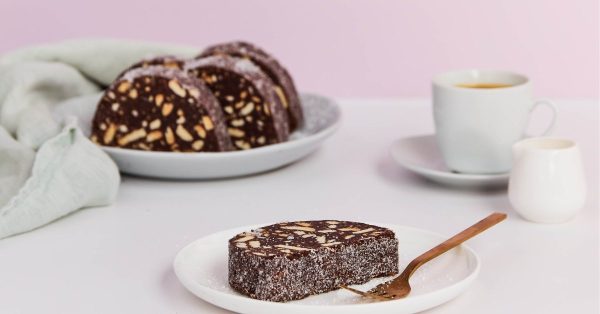
Salame de chocolate: the Portuguese chocolate salami
It looks like a salami, is sliced like a salami, and contains not a gram of meat. What it is, where it comes from, and…
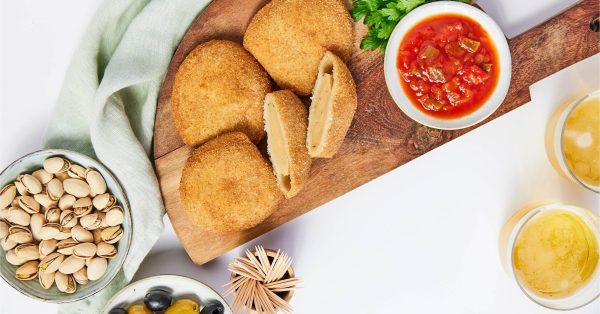
Rissóis: the Portuguese fried turnover, and its recipe
Rissol, rissóis, rissoles: the most misspelled breaded snack in Portugal. What it actually is, the two classic…
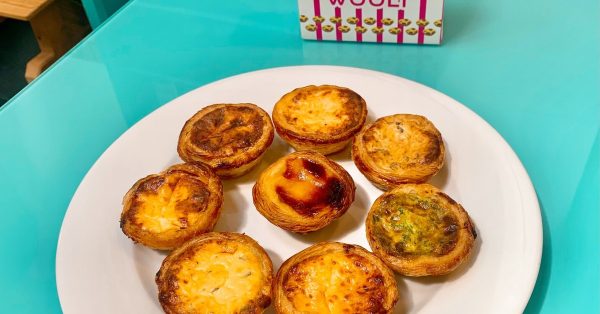
Pastéis de Nata Recipe: The Traditional One, Step by Step
This is not our house recipe but the traditional Portuguese one: the proportions that work, the steps that matter, and…
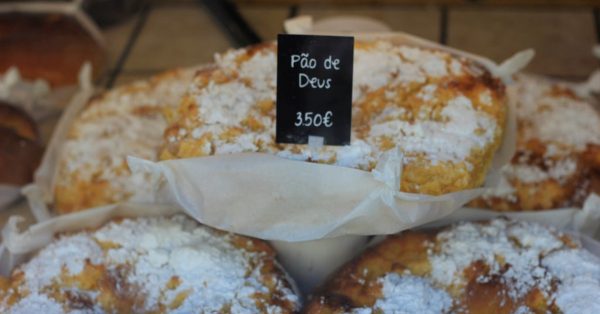
Pão de Deus: The Bun That Smells Like Every Portuguese Morning
Warm crumb, almost stretchy when you tear it open, topped with a soft, lightly golden layer of coconut: that's often…
The Pastel de Tentúgal, Portugal's Most Delicate Pastry
It cracks before you've even touched it: paper-thin pastry, warm egg cream spilling out. Meet the pastel de Tentúgal,…
Find our artisan pastries in our Brussels stores or order online.
Order now Our foodtruck for your events Our stores