
Bolo Dona Amélia: the maize cake where the spices stopped
A veil of icing sugar, and beneath it a dense, almost sandy crumb that keeps the colour of maize. The bolo Dona Amélia looks like no other Portuguese cake. It is not after the lightness of a pão de ló, nor the crackle of a pastel: it is compact, dark, deeply spiced, and it sits in the hand like a small warm cobblestone.
It comes from Terceira, in the Azores, nearly fifteen hundred kilometres from mainland Portugal. And to understand why a cake born in mid-ocean smells of cinnamon and clove, you are better off opening a sea chart than a recipe book.
Angra do Heroísmo, the stop nobody could skip
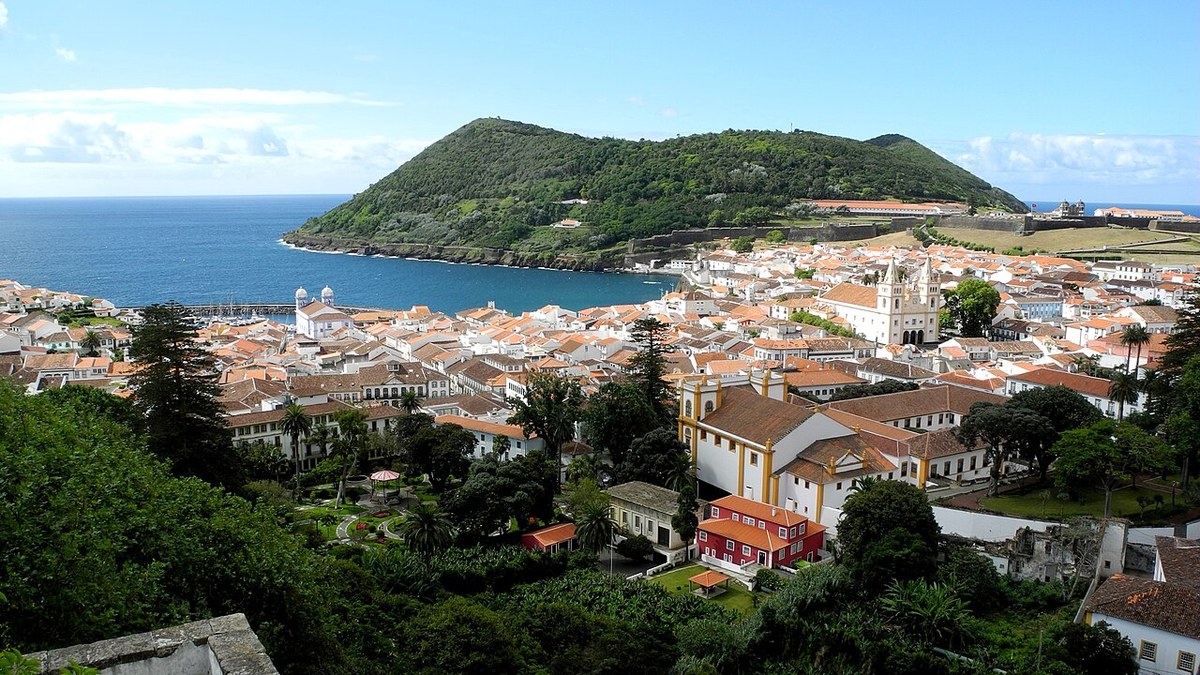
Look at where Terceira sits: exactly where you need to stop. From the fifteenth century until steamships arrived in the nineteenth, the bay of Angra do Heroísmo was a compulsory port of call for Atlantic shipping. Ships returning from the Carreira da Índia, the sea route linking Lisbon to Goa, took on food and water there before the last leg to the Tagus. So did those coming back from Brazil.
A sixteenth-century chronicler, Gaspar Frutuoso, called the town "the western port of call of the Ocean Sea". That was not a figure of speech: forts and hospitals were built around the bay to resupply and treat crews who had spent months at sea. A small island town found itself watching, year after year, the entire contents of an empire's holds go past.
And in those holds there were spices. Pepper, ginger, clove, and above all Ceylon cinnamon, the thin bark the Portuguese began loading in the early sixteenth century. At every call, some of that cargo stayed ashore — bartered, resold, given away. On an island where wheat flour was scarce and expensive, those scents became the raw material of an entire pastry tradition.
Maize, molasses, and nothing else within reach
The bolo Dona Amélia is an islanders' cake. Its base is not wheat flour but farinha de milho, maize flour, from a crop that came from the Americas and was acclimatised early in the Azores, where it did better than wheat in volcanic soil and a damp climate. That is what gives the grainy crumb, slightly rough on the tooth, with no European equivalent.
The sweetener is not white sugar but mel de cana, dark sugar cane molasses. The Azores and Madeira were the first Atlantic laboratories of sugar cane, and that thick syrup cost far less than refined sugar — the same sugar that, centuries earlier, sailed from Funchal to Bruges and Antwerp in conical loaves. Add butter, eggs, cinnamon and clove, and you have the whole cake.
It is baked in small portions, in fluted moulds that leave it sharp edges, and it comes out of the oven almost black. The icing sugar arrives at the end, like snow, on top. The contrast is striking: white above, deep brown below.
From a cake of the Indies to a queen's cake
Before it carried a sovereign's name, this cake was called bolo de Índia — cake of the Indies. The name said exactly what it was: pastry born of what the ships left behind in port.
In early summer 1901, King D. Carlos I and Queen Amélia of Orléans visited Madeira and then the Azores. Their stay on Terceira lasted three days, at the beginning of July. Women of Angra society offered the queen a cake made from the best the island could give: local maize, molasses, butter, and those spices from the harbour. She liked it. It was given her name, and it has never lost it.
Today on Terceira it is also called queijadas Dona Amélia, and you will find it in just about every pastelaria on the island. It has become the doce Azoreans take with them when they leave, and bring back when they return — suitcase pastry, of the kind every Portuguese region has.
What a port of call tells you
There is something very fitting about this cake. In a single mouthful you taste three continents: American maize, cane carried across the Atlantic, Asian spices. None of those ingredients was born in the Azores. All of them stopped there.
That, in essence, is the definition of Portuguese pastry. It invented almost nothing entirely on its own: it gathered what came past, and knew what to do with it. An archipelago in mid-ocean could hardly illustrate the point better.
At Wooly, the same route in a small box
We do not make bolo Dona Amélia in our workshops, but the route it describes is in our windows every day. The cinnamon we dust over a pastel de nata straight from the oven comes from the same story of holds and harbours. If you are in Brussels, our Stockel shop, in Woluwe-Saint-Pierre, is a good place to notice it: ask for a heavier hand with the cinnamon, and we will know exactly why.
And if one day you come across a small brown cake under its snow of sugar, on a Portuguese restaurant menu or in a suitcase back from the Azores, you will know there is a harbour behind it.
Photo: the bay of Angra do Heroísmo, on the island of Terceira — Franzfoto, CC BY-SA 3.0, via Wikimedia Commons.
Read next
Madeira sugar: the sweet route that linked Funchal to Bruges
In a display case in Funchal stands a cone of hardened sugar, greyish white, as tall as a forearm. That was the shape…
Fatias de Tomar: the sweet that demands a pan with a chimney
They look like slices of bright yellow bread left behind in syrup. They contain no flour, no leavening, and never see…
Ameixa d'Elvas: the green plum named after a French queen
It is green, and that is not a flaw. In Elvas, in the Upper Alentejo, this plum is picked deliberately hard, before it…
Rebuçados da Régua: the hand-folded sweet of the Douro pilgrimages
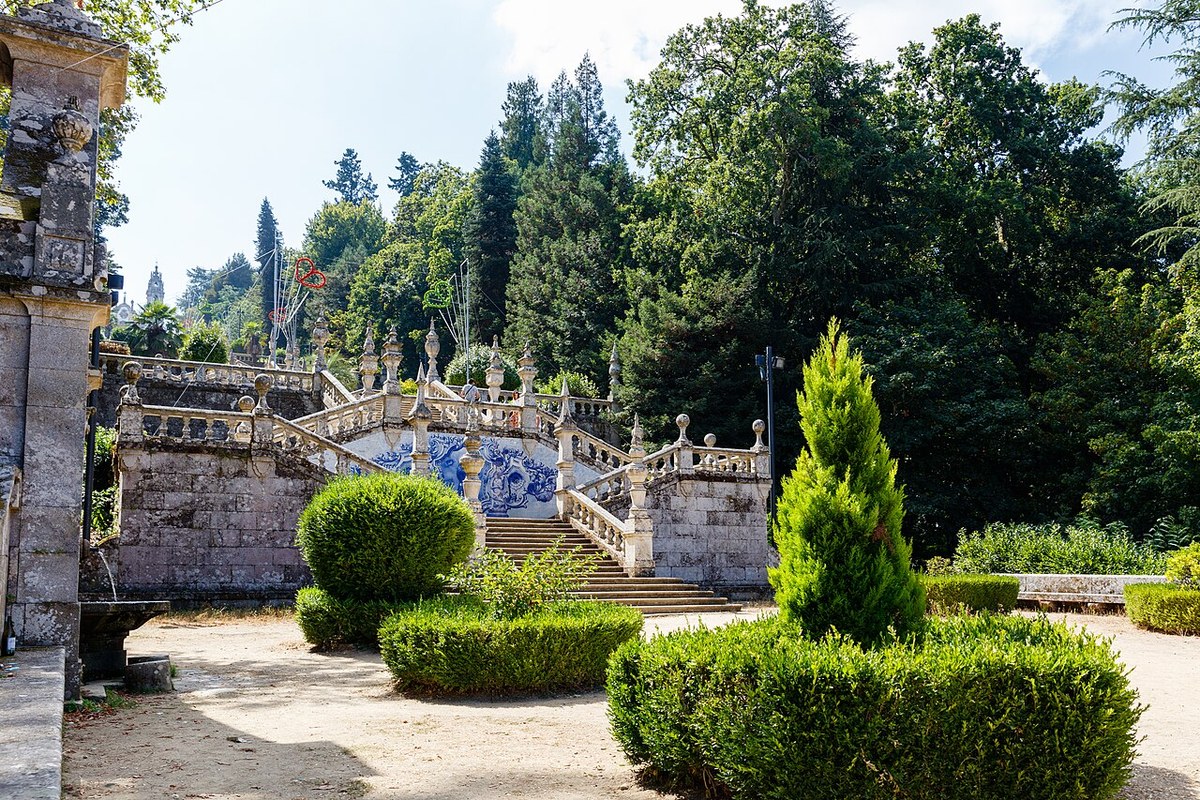
They smell of hot lemon and cooked sugar. At the foot of Lamego's baroque stairway, women still fold their sweets one…
Pastéis de Santa Clara: the cake from a convent that drowned
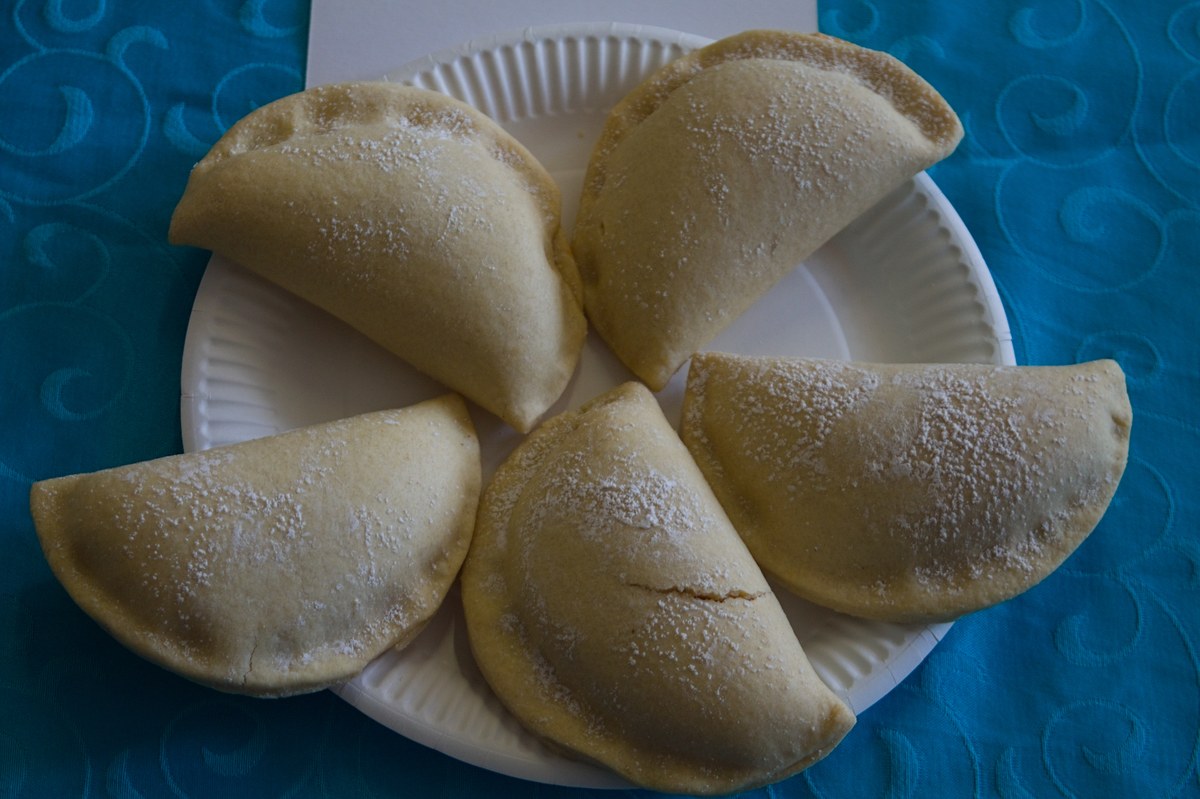
In Coimbra the nuns spent three centuries raising their floors before leaving the convent to the river. The building…
Why Portuguese pastry is so yellow: the wine took the whites
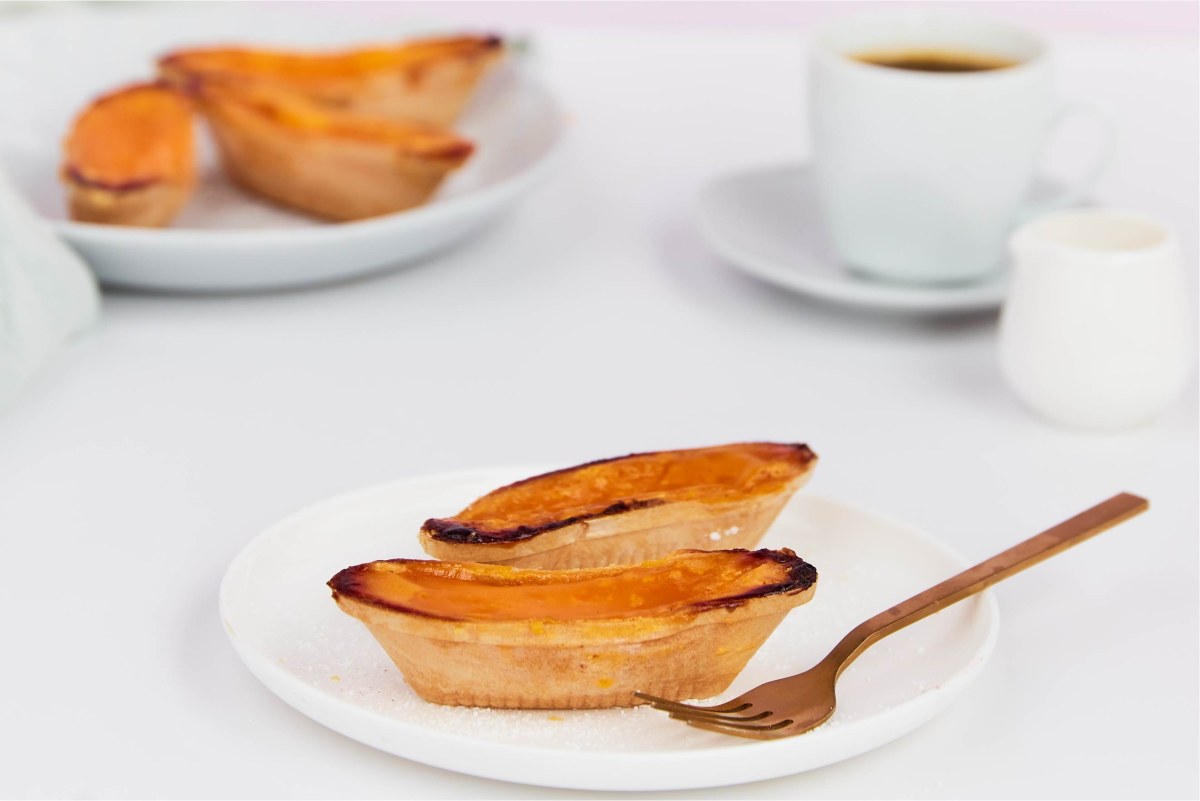
Crack an egg and separate it. In Portugal, for centuries, the white and the yolk went their separate ways: one to the…
O lanche: the Portuguese afternoon snack that borrowed an English name
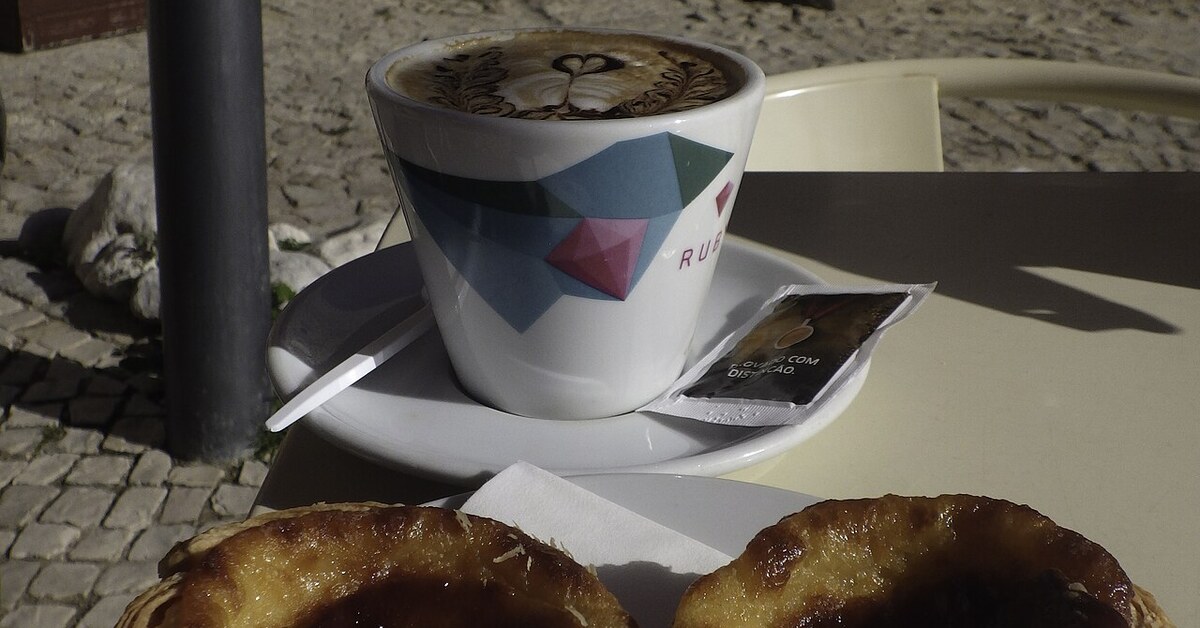
Late in the afternoon, Portugal puts down whatever it is holding and sits for ten minutes. The moment carries a…
Marmelada: the Portuguese quince that gave marmalade its name
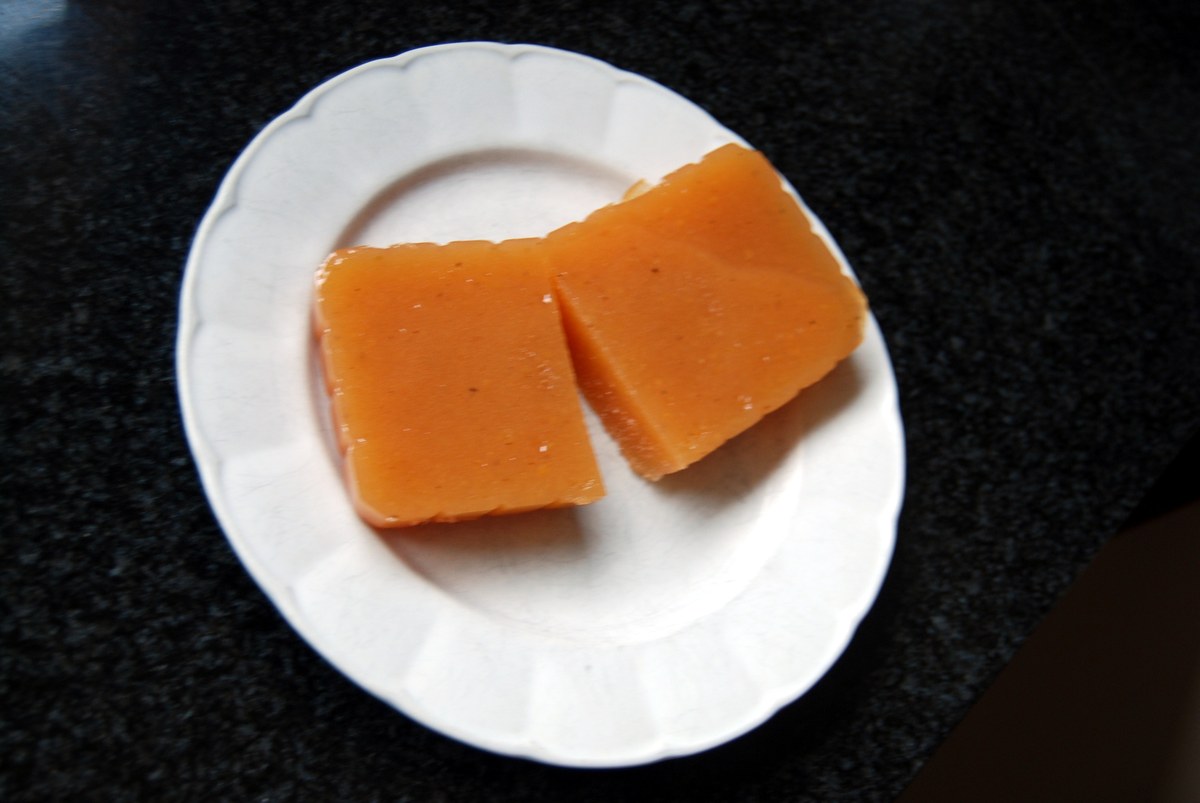
Raw quince is inedible. Cooked with sugar it becomes a paste you cut with a knife — and a word that left Portugal and…
Find our artisan pastries in our Brussels stores or order online.
Order now Our foodtruck for your events Our stores