
Pastéis de Santa Clara: the cake from a convent that drowned
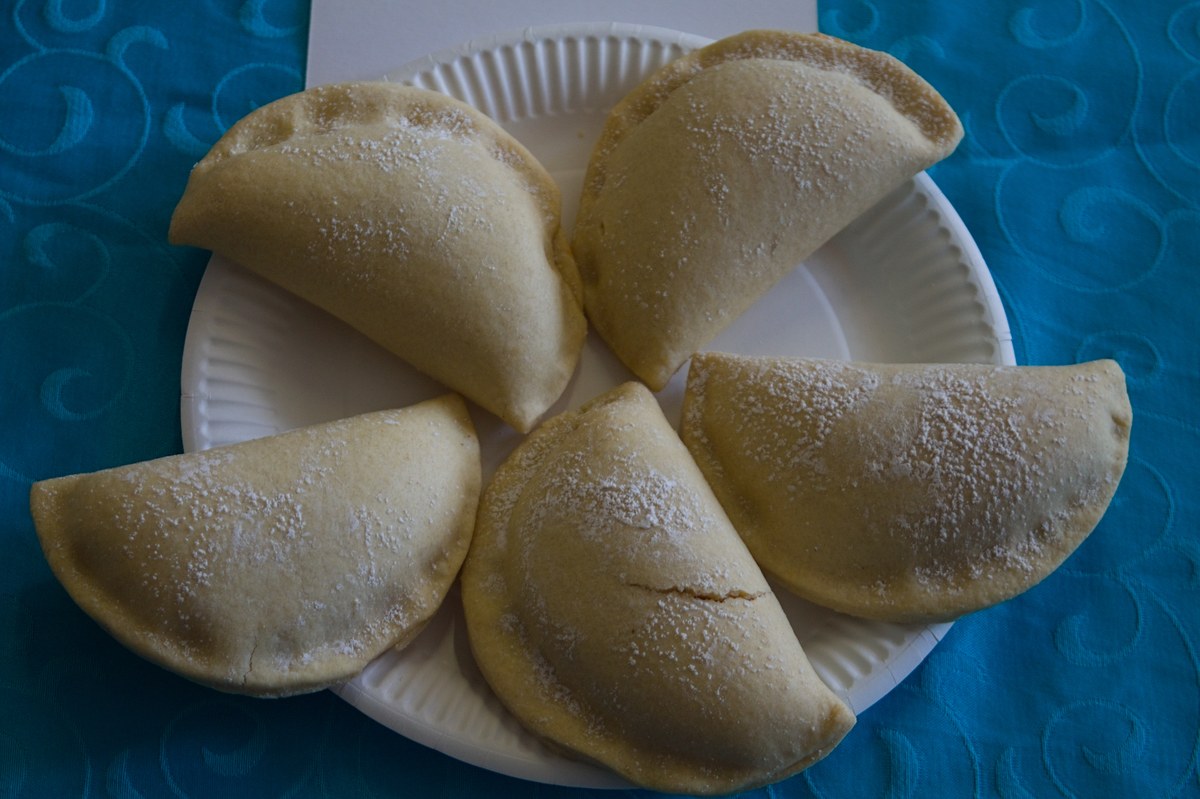
It fits in one hand, it is shaped like a crescent moon, and its crust is matt and grainy, dusted with sugar just before the oven. Break it in two: inside is a dense, bright yellow filling in which grated almond rasps against the teeth. This is a pastel de Santa Clara, and it carries the name of a convent the river eventually swallowed.
Coimbra is cut in two by the Mondego. On the left bank, down by the water, there is now a rectangle of pale stone you can visit with dry feet. For three hundred years that was not the case.
A convent built in the wrong place
The monastery of Santa Clara-a-Velha begins in the 1280s, founded by a woman, Mor Dias, to house Poor Clares. It goes badly: the house is dissolved in 1311.
Three years later, in 1314, a queen picks it up again. Elizabeth of Aragon — the one Portugal still calls the Rainha Santa — takes the project on herself. Work starts in 1316, the church is consecrated in 1330. The queen dies in 1336 and has herself buried there, in a Gothic tomb carved by master Pero.
The choice of ground, though, is a mistake. The monastery sits flush with the Mondego, on the low bank, right in the strip the river takes back every winter.
Three centuries of raising the floor
The first recorded flood arrives as early as 1331: church and monastery are under water while the queen is still alive. After that it never stops. Every flood leaves a layer of silt, and the church floor rises with it.
The nuns do not leave. They adapt. In 1612 they have raised floors built inside the building itself: you walk above the old level, in a church slowly sinking into its own mud. A convent that climbs a storey every hundred years.
In 1647, King João IV settles it: conditions have become impossible, the Poor Clares must go. It takes another thirty years for the new monastery on the hill opposite to be ready. The last nuns walk out in 1677. They take their dead with them: the tomb of the Rainha Santa goes up the hill too, to Santa Clara-a-Nova, out of the water's reach.
Behind them, the river finishes the job. The empty building keeps filling with mud until it has almost entirely vanished. Listed as a national monument in 1910, it only becomes visible again after 1995, when a large archaeological campaign clears the silt and water out of the ruins. The interpretation centre opens in April 2009. What you see today is the medieval church laid bare, its arches, and the level at which the nuns had laid their last floor.
What left the convent before the water came
From all of that, what remains is stone and a cake. The pastéis de Santa Clara are now listed in the inventory of traditional Portuguese products, for the Centro region, with the note that fits so many others: convent origin. These are the doces conventuais, the sweets worked out behind enclosure walls, whose names outlived the institutions that made them.
We do not know the date of the recipe, and it is honest to say so. What we do know is that the convent's name stayed stuck to the cake, and that Coimbra turned it into one of its most requested doces. The convent drowned; the pastel did not.
How it is made
The build is simple, which is not the same as easy:
- a dough of sifted flour, butter and a minimum of cold water, rolled very thin — two to three millimetres;
- discs cut out of it, like rounds of ravioli dough;
- a filling of cooked sugar, peeled and grated almonds, and egg yolks;
- a fold in two, edges pinched, giving the meia-lua, the half-moon;
- a brush of beaten yolk, sugar over the top, and into the oven.
Everything hangs on the sugar. It has to be brought to exactly the right degree of cooking before the almond and the yolks go in: too early and the filling runs and soaks the pastry; too late and it seizes into something grainy. This is the famous ponto de açúcar, the finger test Portuguese pastry chefs pass down, and it decides everything.
The almond-and-yolk pairing is no accident either. It is the signature of Portuguese convents, where eggs were plentiful and almonds came up from the south. You meet it again in toucinho do céu, and barely thirty kilometres from Coimbra in the pastel de Tentúgal, which pushes thin pastry further still.
At Wooly, in Brussels
We do not make pastéis de Santa Clara: that is a doce of Coimbra, and it stays there. But what runs through this story runs through our kitchen too — egg yolks, sugar brought to the right point, an oven, and the idea that a recipe can outlive the building it was born in. The pastéis de nata we pull out every morning come from that same convent family. Our four shops — Etterbeek on rue des Tongres, Stockel, Uccle and Waterloo — welcome you all week in Brussels and Walloon Brabant.
And if you ever pass through Coimbra, walk down to the left bank. The floor you see at the far end of the church is not the one people walked on in 1330. It is three metres lower.
Photo: Fillorian Archivist, Wikimedia Commons, CC BY-SA 4.0 licence.
Read next
Why Portuguese pastry is so yellow: the wine took the whites
Crack an egg and separate it. In Portugal, for centuries, the white and the yolk went their separate ways: one to the…
O lanche: the Portuguese afternoon snack that borrowed an English name
Late in the afternoon, Portugal puts down whatever it is holding and sits for ten minutes. The moment carries a…
Marmelada: the Portuguese quince that gave marmalade its name
Raw quince is inedible. Cooked with sugar it becomes a paste you cut with a knife — and a word that left Portugal and…
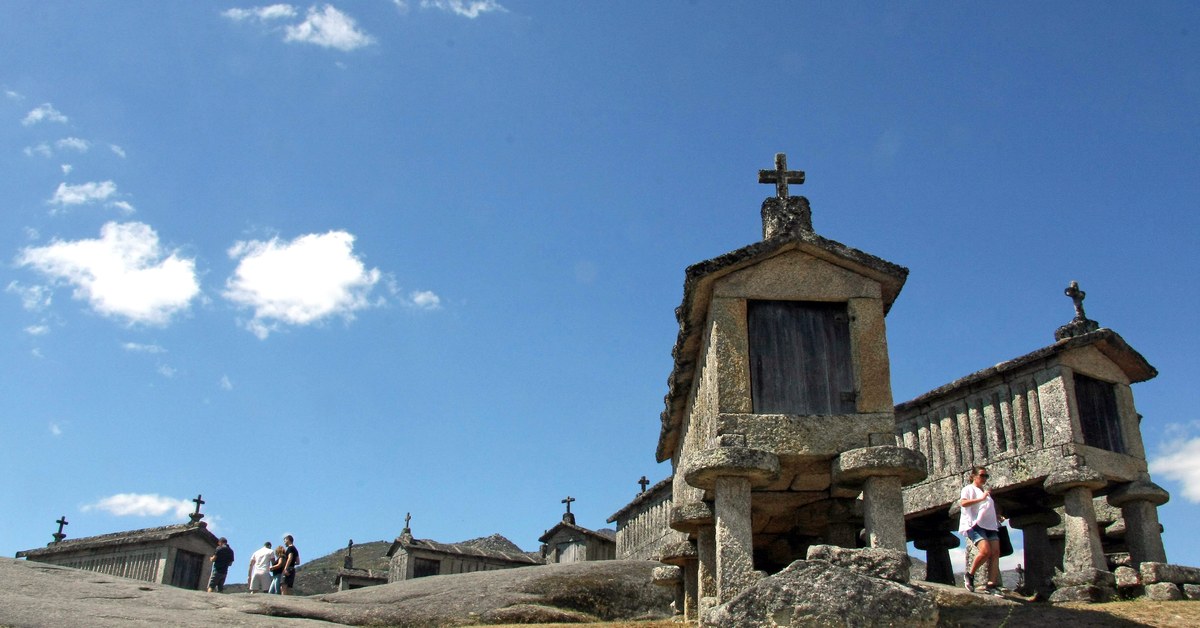
Desfolhada: the night when a red corn ear was worth a kiss
In late September, northern Portugal husked its corn after dark. Village work, sung and washed down with wine, and one…
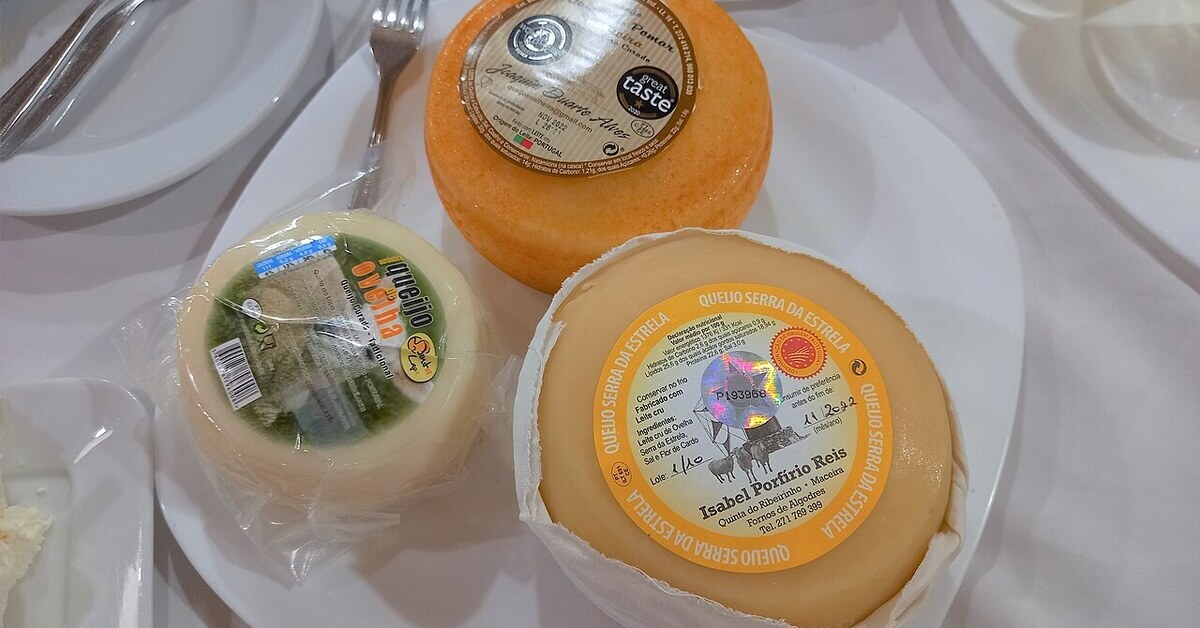
The suitcase home: what Portuguese families bring back in August
In late August the same scene plays out in kitchens all over Brussels: a suitcase open on the tiles, a bathroom scale…
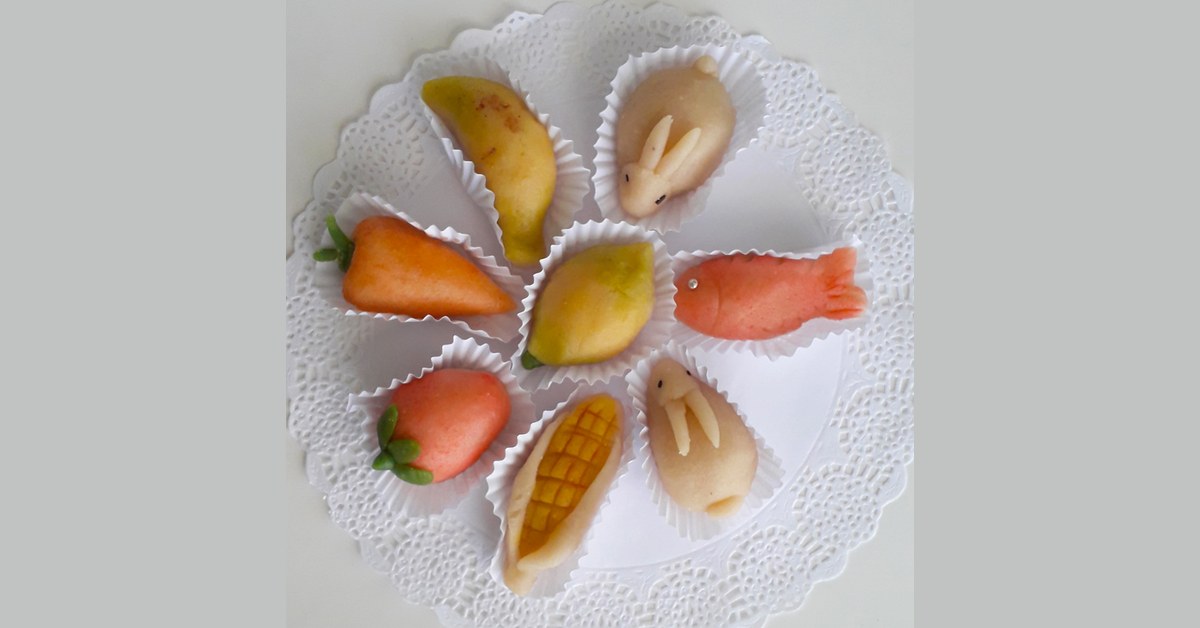
Doce fino: the Algarve's fruit, sculpted entirely from almonds
A banana, an ear of corn, two white rabbits and a carrot complete with its leafy top, all laid out on a paper doily.…
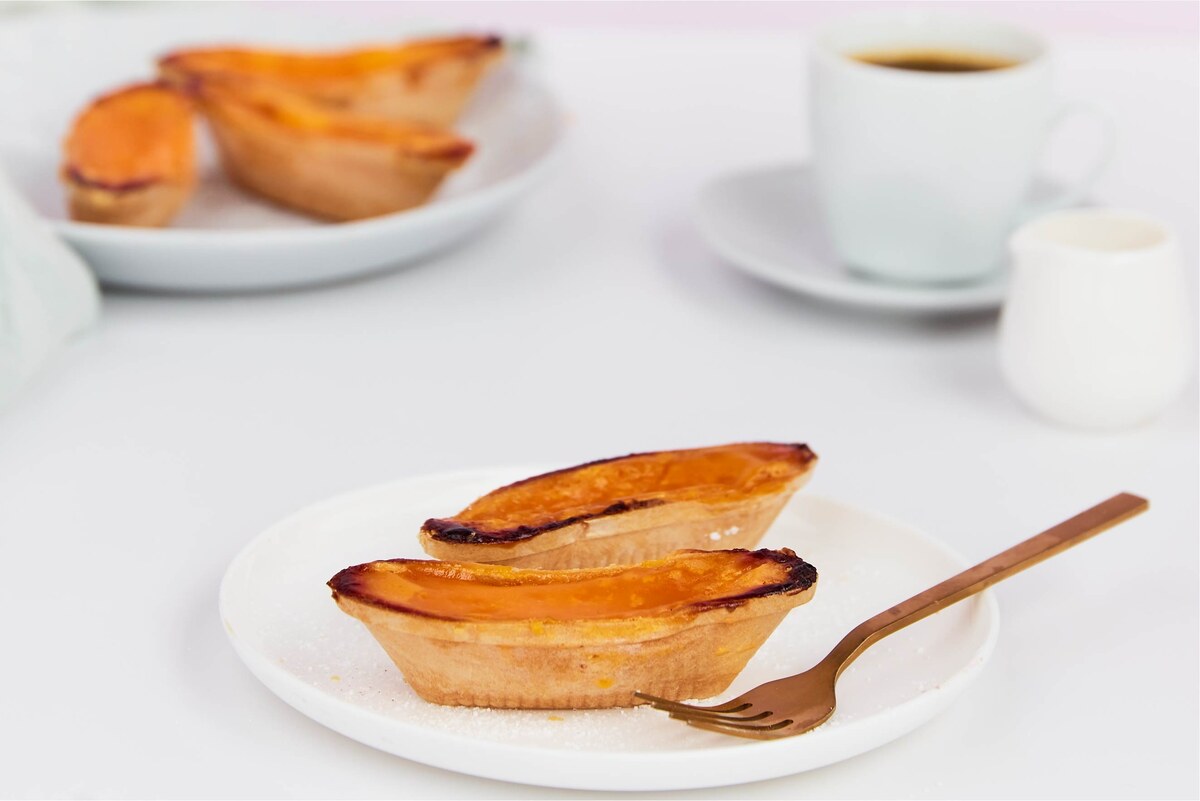
The ponto de açúcar: the fingertip test that decides everything
Thread, pearl, blown, sand: Portuguese has nine words for the moment a sugar syrup is ready, and not a single number.…
Bolo de bolacha: the Portuguese cake that never sees an oven
It never goes into the oven. Three things are enough — Maria biscuits, strong coffee, buttercream — plus one night in…
Find our artisan pastries in our Brussels stores or order online.
Order now Our foodtruck for your events Our stores