
Pêra Rocha: the pear that turned up by accident in a Sintra garden
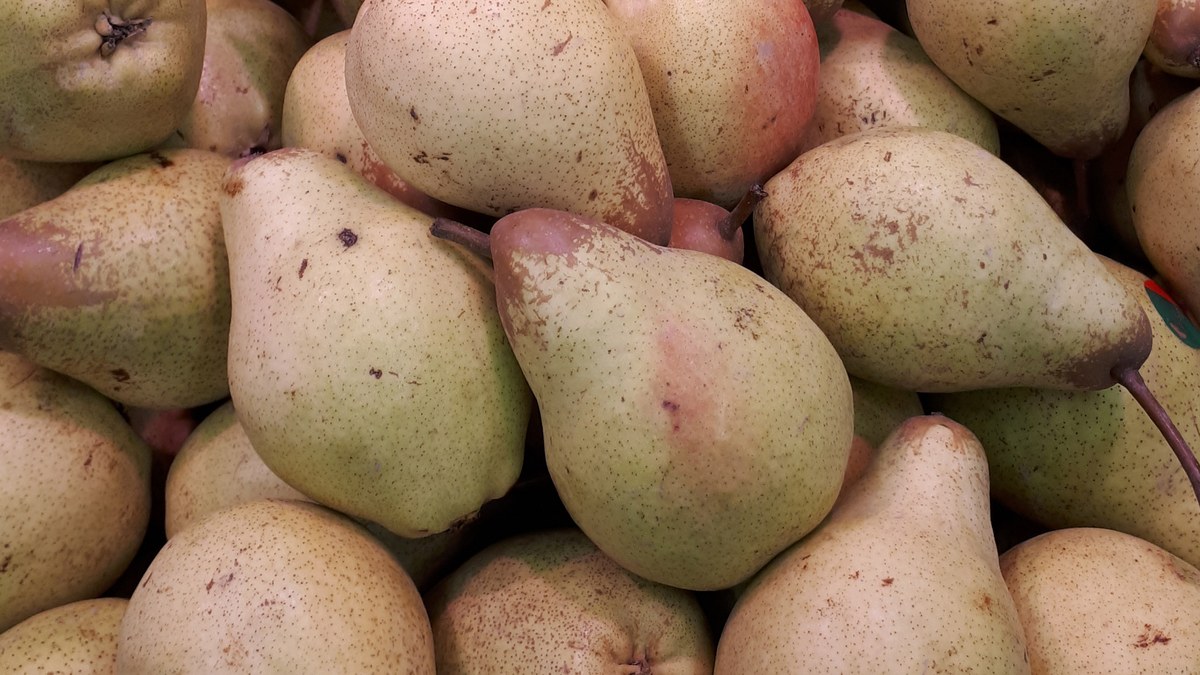
It has a neck. That is the first thing you notice picking one up: the pêra Rocha looks nothing like the round pears on Belgian stalls. It stretches towards the stalk, its pale green skin freckled with small russet marks, as though someone had dusted it with cinnamon. In Portugal it arrives in September, and it is often eaten standing up, wiping your chin.
A tree nobody had planted
The story fits into one farm and one date. In 1836, in Sintra, a landowner named Pedro António Rocha found on his land a pear tree of a variety nobody could identify. He had not ordered it, chosen it or deliberately sown it: the tree was simply there, and it bore a remarkable fruit.
What he did with it says a good deal about the period. Every September, at harvest time, Rocha invited his neighbours and friends over to taste. The fruit passed from mouth to mouth, then from garden to garden. It ended up carrying the name of the man who found it, which does not happen to many fruits.
Carried by grafting, never by the pip
One piece of botany explains everything that follows. A pear pip never gives back the pear it came from: every seedling is a new individual, and almost always a disappointment. To keep a fruit exactly as it is, there is only one way, known since antiquity — cut a shoot from the tree you want to preserve and graft it onto another pear tree.
That is precisely what Rocha handed round: grafts, not seeds. Neighbour by neighbour, the variety left Sintra and reached the Oeste region, a little further north. Which means that every Rocha pear tree in Portugal descends, graft after graft, from the same tree found by accident on a farm. An entire orchard grown out of one piece of luck.
The Oeste, between the serra and the Atlantic
The Oeste is the westernmost region of mainland Portugal, a strip of land wedged between Lisbon and the ocean. Sea winds air it, the Sintra hills shelter it, and the winters are mild without being warm. The pear settled in as if it had been waiting for the place.
Since 2003 the fruit grown there has carried a European protected designation of origin, Pêra Rocha do Oeste, spread across twenty-nine municipalities. It is one of the rare European designations that protects neither a recipe nor a cheese, but the ground on which a single fruit variety is grown — and, indirectly, the memory of a gardener from Sintra.
The carepa, the russet you do not rub off
You can recognise a pêra Rocha without a label. Yellow-green skin, sometimes blushed on the side that saw the sun, scattered with freckles. And above all those bronzed patches, slightly rough under the finger, around the stalk and the eye of the fruit. The Portuguese call it the carepa. It is not dirt and certainly not a flaw: it is the variety's handwriting, and a Portuguese buyer would be more suspicious if it were missing.
Picking begins in the second half of August and runs on through the following weeks. The pear then keeps remarkably well: you find it on stalls into the spring, as late as May. And it changes over that time. Crisp, snapping, almost dry early in the season; then, as the weeks pass, it softens and the flesh turns melting, juicy, close to creamy.
That double character explains its place in the kitchen. Firm, it holds up to poaching without collapsing. Ripe, it asks for nothing but a knife.
Peras bêbedas: the pear comes to the table
The most common Portuguese pear dessert has a name that wastes no time on delicacy: peras bêbedas, drunken pears. You peel the fruit and leave the stalk on, lay them in a pan with red wine, sometimes port, sugar, a cinnamon stick and a strip of citrus peel, and let them poach gently.
They come out deep red, almost purple, standing upright in a reduced syrup you spoon back over them. It is a dessert for long tables and late evenings, the kind you make the day before because it is better the next day.
Cinnamon here is not decoration: it is the central spice of all Portuguese pastry, the same one laid in a thick layer over arroz doce, the rice pudding that closes big family meals. As for the season, it makes more sense once you look at what else is happening in the Oeste at that moment: while the pears are being picked, the grapes come in too, and people once spent whole nights boiling uvada, the harvest sweet that needed no sugar at all. September, in that region, is not a month for sleeping much.
September, in Brussels
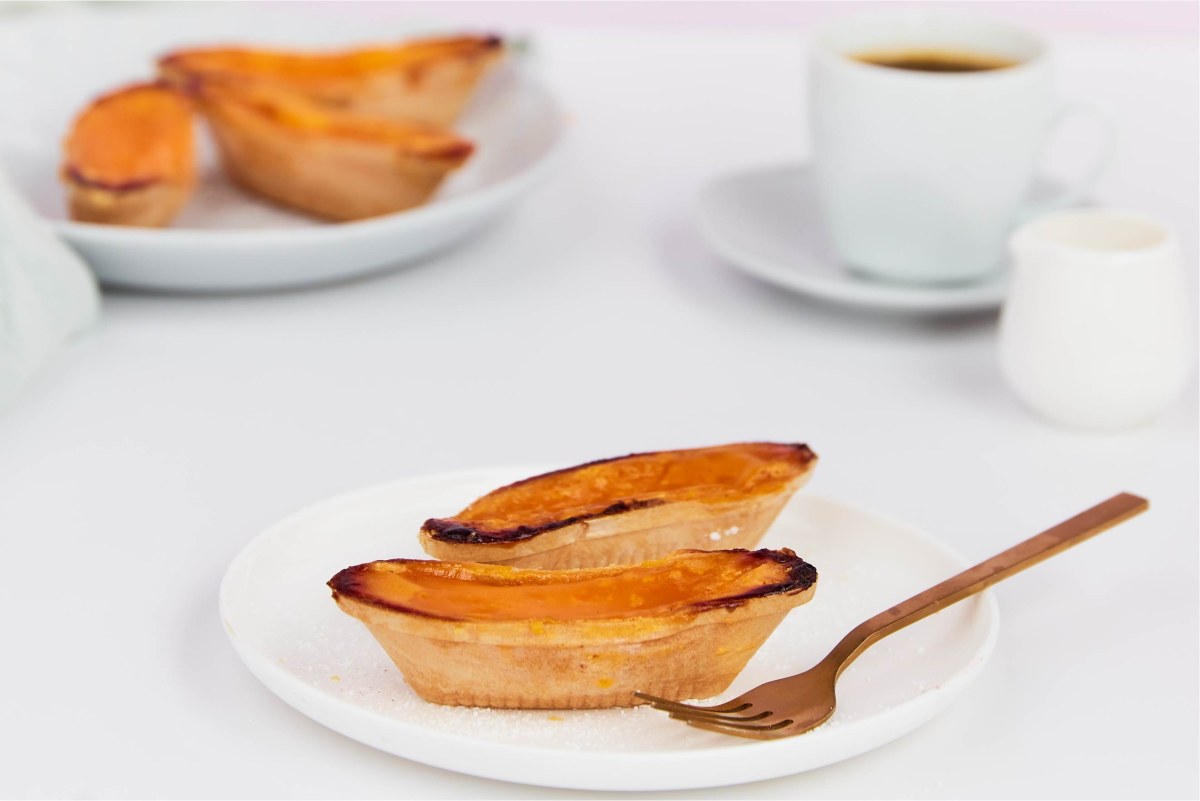
We do not put pears in the window: our trade starts at the oven, not in the orchard. But the pêra Rocha tells us something we recognise — the Portuguese stubbornness about protecting one precise thing, a fruit, a gesture, a sugar stage, and passing it on as it is rather than improving it. The same logic means a pastel de nata is still judged, two centuries on, by the crack of its pastry and the dark blisters on its custard.
In our shops in and around Brussels — Stockel, Rue des Tongres in Etterbeek, Uccle and Waterloo — September tastes of exactly that: short strong coffee, cinnamon, a display case filled in the morning for that day alone. And if you come across pêras Rocha at a Portuguese grocer in your neighbourhood, take them firm: they will ripen quietly at home, right through to winter.
An unknown pear tree on a farm in Sintra, and a man who handed grafts to his neighbours instead of keeping the tree to himself: it is a small thing, and yet everything else comes from it.
Read next
From Flagey to Stockel: how Portuguese pastry reached Brussels
The hiss of the coffee machine, the cup set down with a click, two words of Portuguese across the counter: that counter…
Bolo Dona Amélia: the maize cake where the spices stopped
A veil of icing sugar, a dense crumb the colour of maize, a scent of cinnamon and clove. The bolo Dona Amélia comes…
Madeira sugar: the sweet route that linked Funchal to Bruges
In a display case in Funchal stands a cone of hardened sugar, greyish white, as tall as a forearm. That was the shape…
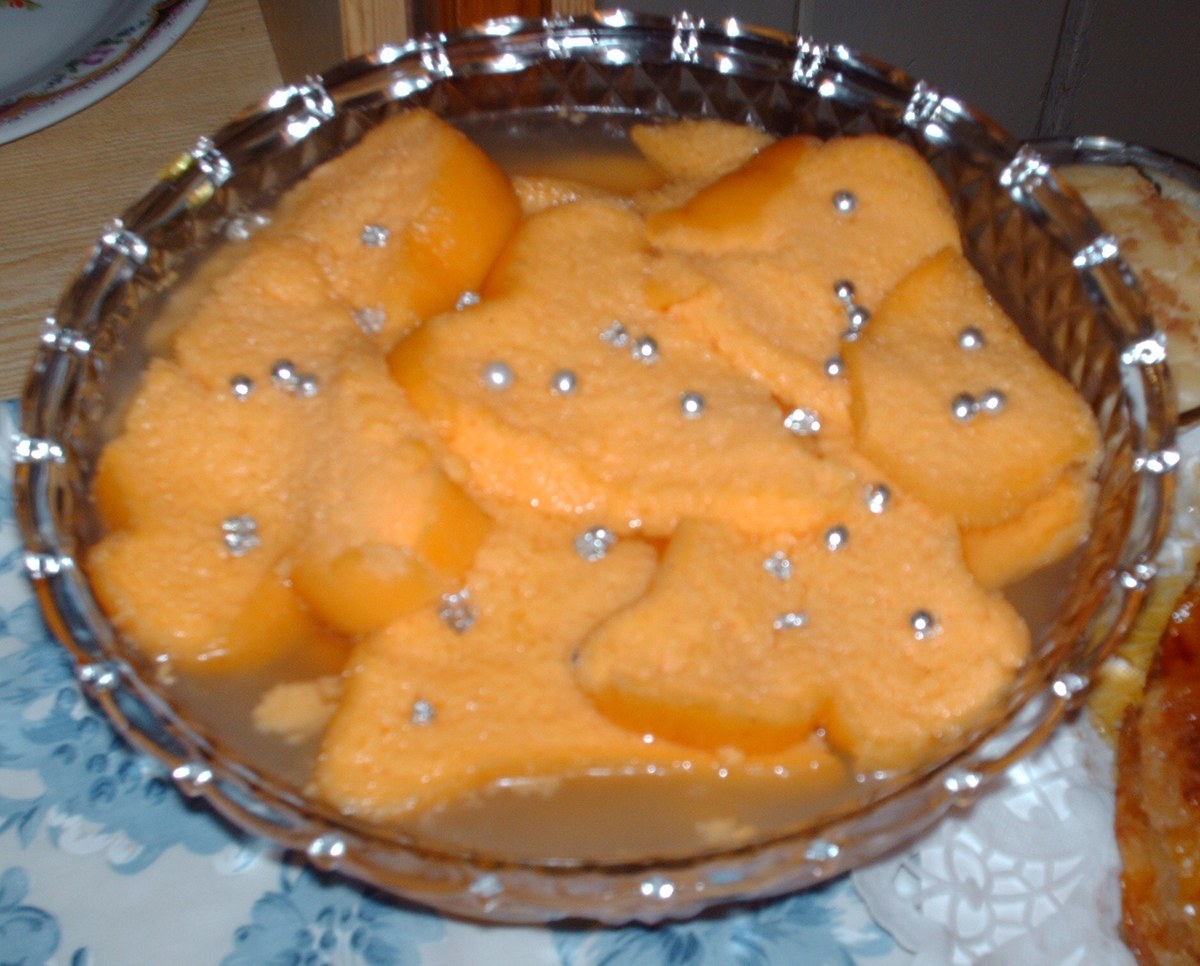
Fatias de Tomar: the sweet that demands a pan with a chimney
They look like slices of bright yellow bread left behind in syrup. They contain no flour, no leavening, and never see…
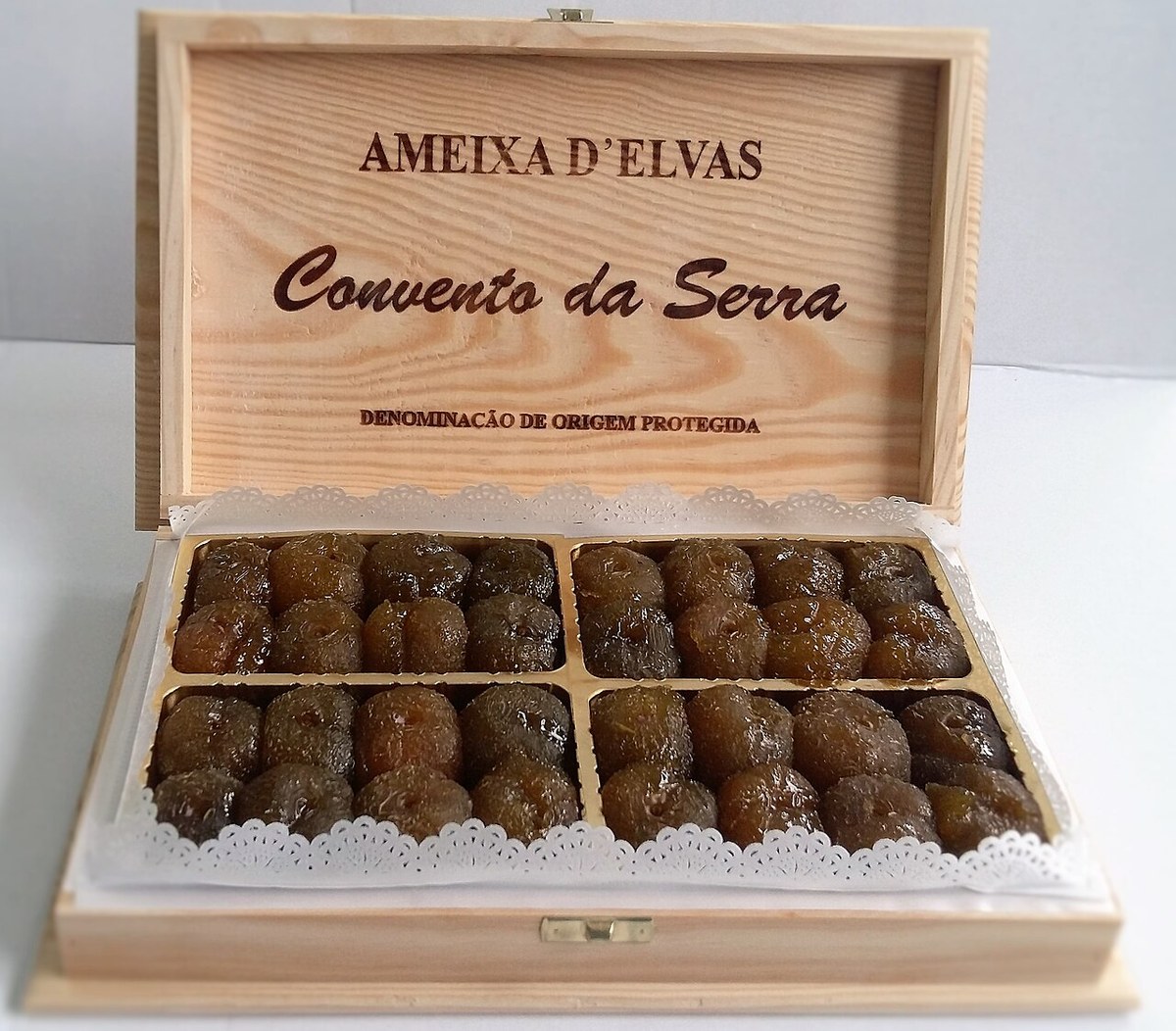
Ameixa d'Elvas: the green plum named after a French queen
It is green, and that is not a flaw. In Elvas, in the Upper Alentejo, this plum is picked deliberately hard, before it…
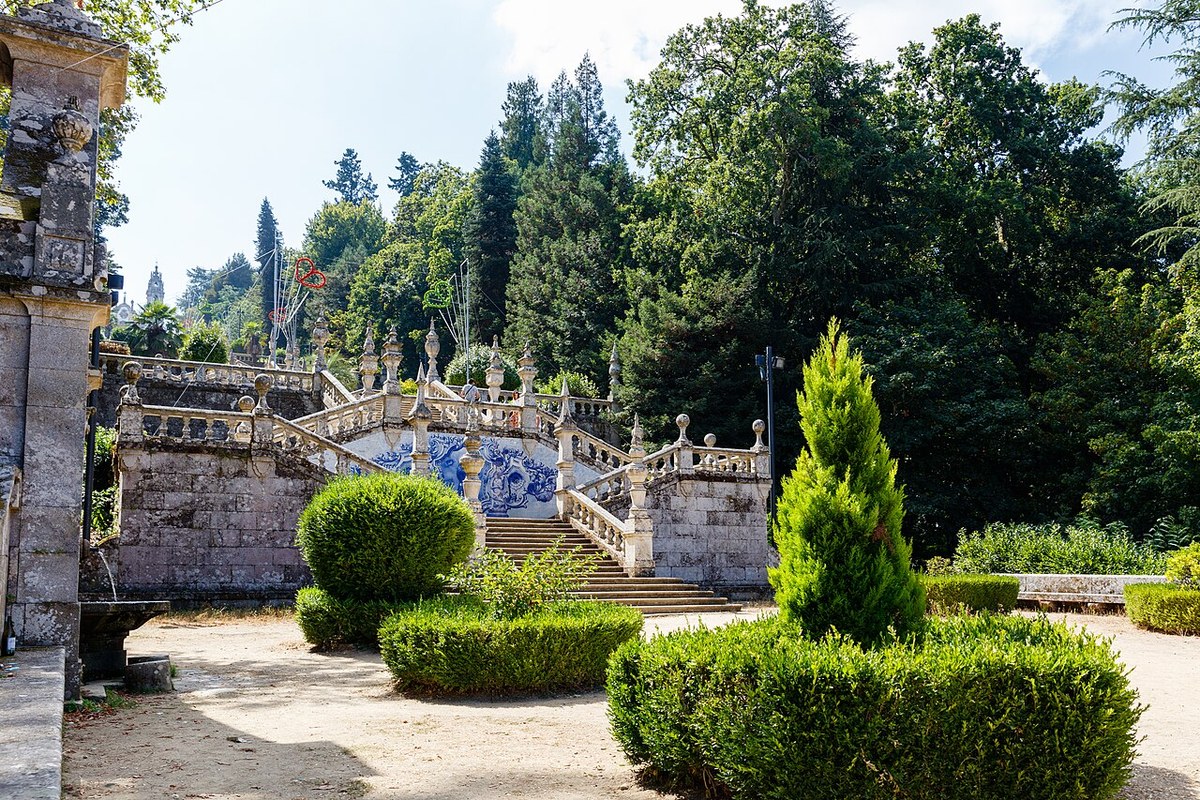
Rebuçados da Régua: the hand-folded sweet of the Douro pilgrimages
They smell of hot lemon and cooked sugar. At the foot of Lamego's baroque stairway, women still fold their sweets one…
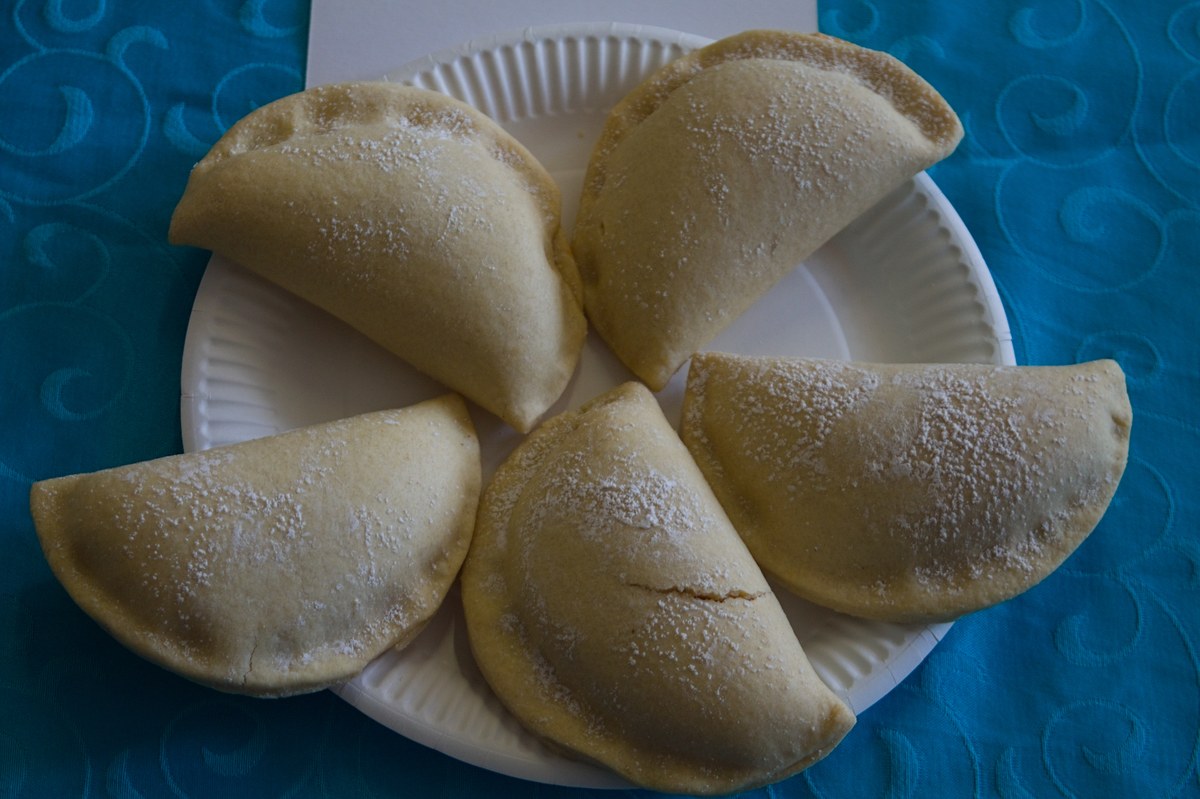
Pastéis de Santa Clara: the cake from a convent that drowned
In Coimbra the nuns spent three centuries raising their floors before leaving the convent to the river. The building…
Why Portuguese pastry is so yellow: the wine took the whites
Crack an egg and separate it. In Portugal, for centuries, the white and the yolk went their separate ways: one to the…
Find our artisan pastries in our Brussels stores or order online.
Order now Our foodtruck for your events Our stores