
From Flagey to Stockel: how Portuguese pastry reached Brussels
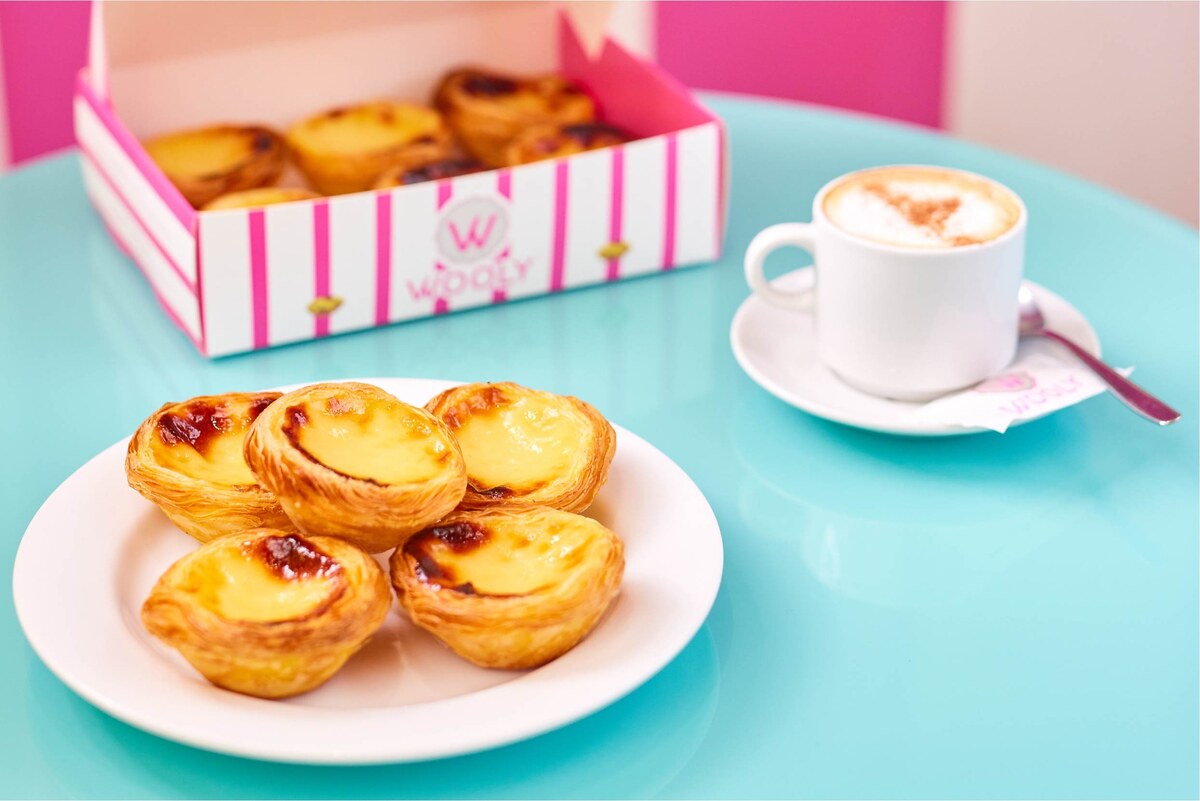
There is a sound you recognise before you push the door open: the hiss of the coffee machine, the cup set down with a click on its saucer, two words of Portuguese exchanged across the counter. That sound did not appear in Brussels on its own. It arrived by train, in the 1960s, carried by people who fully intended to go home.
The ones who left
The great wave of Portuguese emigration begins in the 1960s. The country is living under Salazar's regime, the colonial war is calling young men up, and there is little work. Entire villages in the north, in the Beira, in the Alentejo lose a generation. The destinations are well known: France first, then Germany, Switzerland, and Belgium, rebuilding and hiring.
You usually left alone, sent money back, and planned to return within two years. Many never really returned. It is not a story you often hear told in a pastry shop, and yet everything that follows comes out of it: a cuisine does not travel without the people who carry it.
Saint-Gilles first, then Ixelles
In Brussels, the community settled neighbourhood by neighbourhood. Through the 1970s and 1980s, Saint-Gilles took in a large share of those arrivals. Then, gradually, Portuguese life shifted towards Ixelles, and Place Flagey became an anchor: the shops, the cafés, the grocers where you could find salt cod, carolino rice, coffee roasted the Portuguese way.
The institutions followed the same path. The Belgian-Portuguese Chamber of Commerce has existed since 1938, well before the big wave. The Associação dos Portugueses Emigrados na Bélgica was founded in 1966 and made official in 1968: the oldest association of the Portuguese community in Belgium, created to help newcomers fill in a form, find housing, learn French. Today a statue of Fernando Pessoa stands on Place Flagey, placed there by the commune of Ixelles. The poet of Lisbon watches over a Brussels crossroads, which sums the whole thing up rather well.
What fits in a suitcase
Recipes do not cross borders in books. They cross in hands. A woman who knows how to make pão de Deus makes it just as well in Forest as in Braga, as long as she can find coconut. Another knows the ponto de açúcar, the syrup stage judged with fingers and eyes, without a thermometer. Those gestures made the journey; technical sheets did not.
The rest adapted. Egg yolks, the raw material of the whole convent doçaria, are available everywhere. So is cinnamon. Sugar has never been scarce in Brussels. What was missing was the occasion: a Sunday, a feast day, a communion, a christening, and then someone would bring out a tray of cakes you could not buy anywhere in the city.
Every August, the trips back home topped up the rest. The ritual is familiar: the loaded car, and the suitcase coming home full of what you could not find here.
The counter as an institution
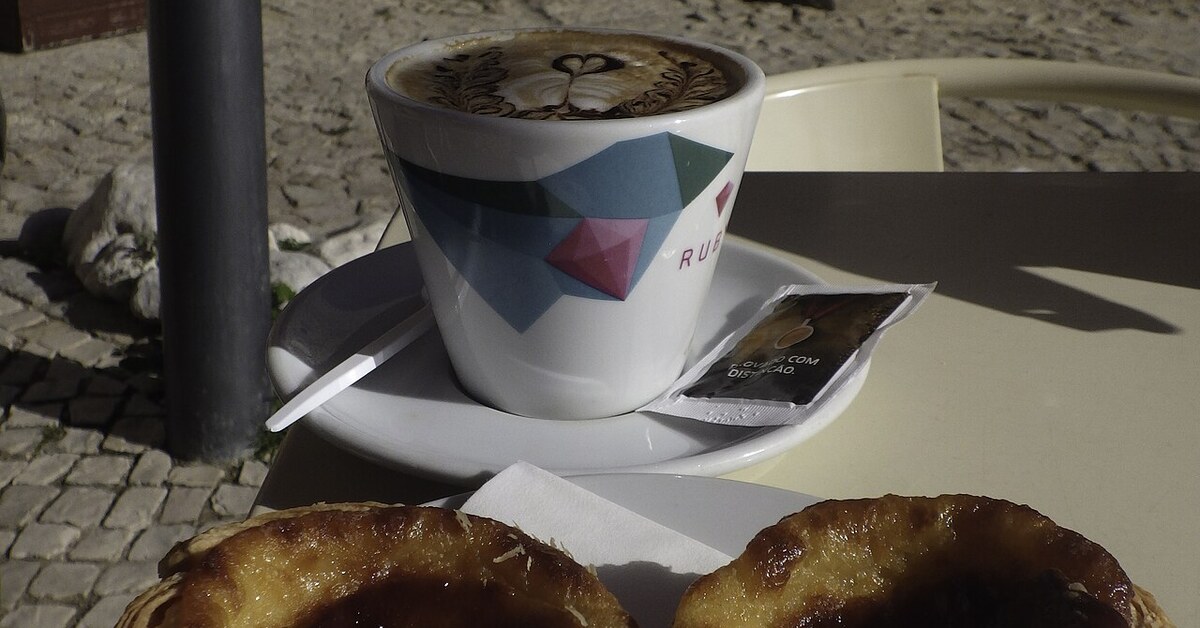
In Portugal, the neighbourhood pastelaria is not a luxury shop. It is a place you pass through: you walk in, order a bica (the short strong coffee) standing at the balcão, eat a cake, exchange two sentences and leave. The display case is full from seven in the morning and empties over the day. Nobody sits for long.
That model does not export easily. In a city where coffee is drunk seated and slowly, the Portuguese counter looks abrupt. It found its place in Brussels all the same: first among the Portuguese themselves, then among their neighbours, then among everyone. The pastel de nata served as a passport: a pastry you can explain in one sentence, eat standing up, and that everyone agrees on.
Today the second and third generations are Brusselers. They speak French or Dutch at work, Portuguese on the phone with family, and still judge a pastry on a single criterion: does the crust crack?
At Wooly
That is the story we carry on, at our own scale. Our four shops in and around Brussels: Stockel, Uccle, Waterloo and Rue des Tongres in Etterbeek, a few minutes from Flagey, make Portuguese pastry the way it is made there: by hand, in the morning, for that day. The pastel de nata comes out of the oven in batches, and it is best warm, the way you eat it at the counter.
There is nothing nostalgic about it. A travelling cuisine is not kept under glass: it keeps being made, in another city, for other people. Which is exactly what those first suitcases arriving at Flagey were doing.
Read next
Bolo Dona Amélia: the maize cake where the spices stopped
A veil of icing sugar, a dense crumb the colour of maize, a scent of cinnamon and clove. The bolo Dona Amélia comes…
Madeira sugar: the sweet route that linked Funchal to Bruges
In a display case in Funchal stands a cone of hardened sugar, greyish white, as tall as a forearm. That was the shape…
Fatias de Tomar: the sweet that demands a pan with a chimney
They look like slices of bright yellow bread left behind in syrup. They contain no flour, no leavening, and never see…
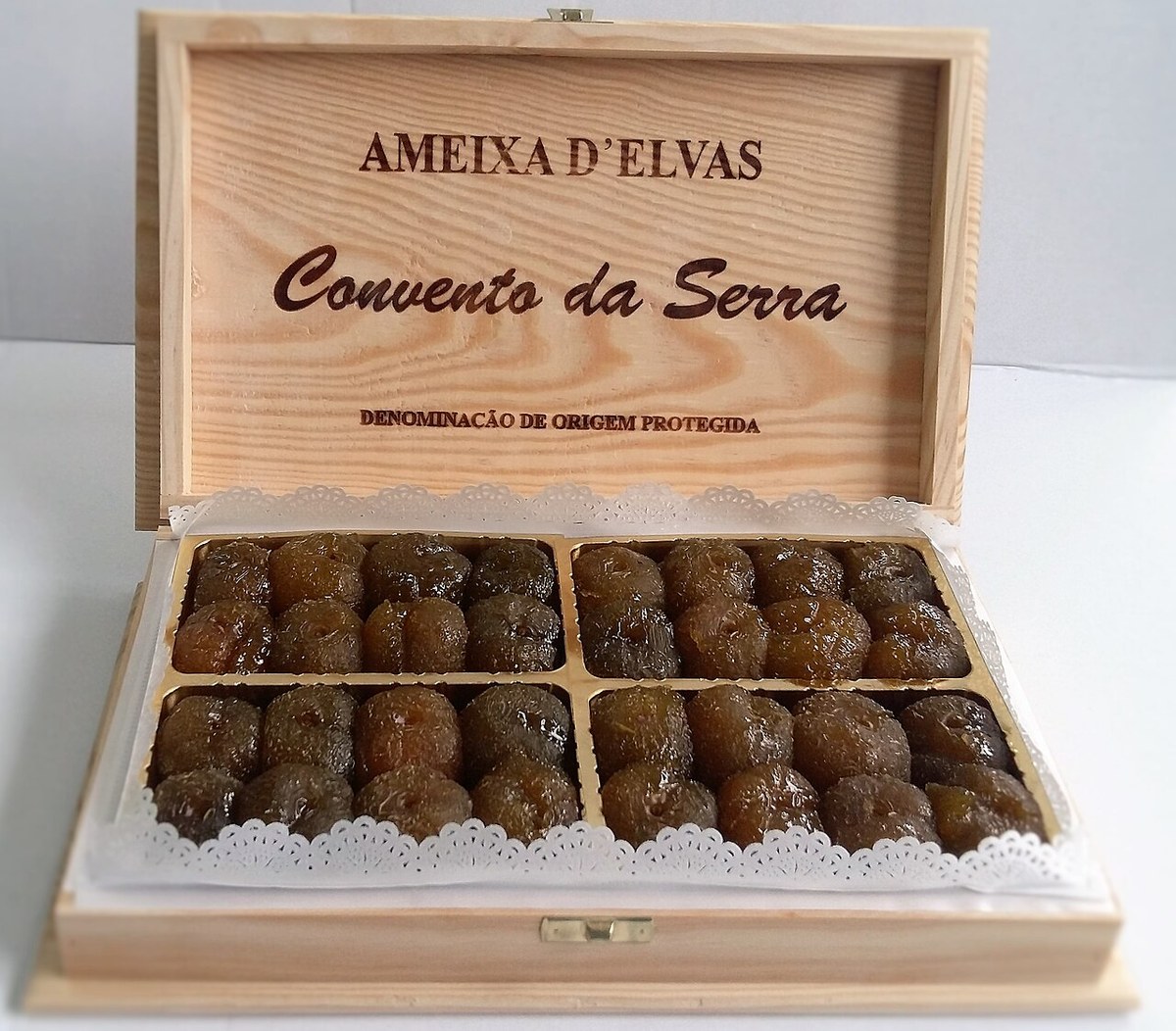
Ameixa d'Elvas: the green plum named after a French queen
It is green, and that is not a flaw. In Elvas, in the Upper Alentejo, this plum is picked deliberately hard, before it…
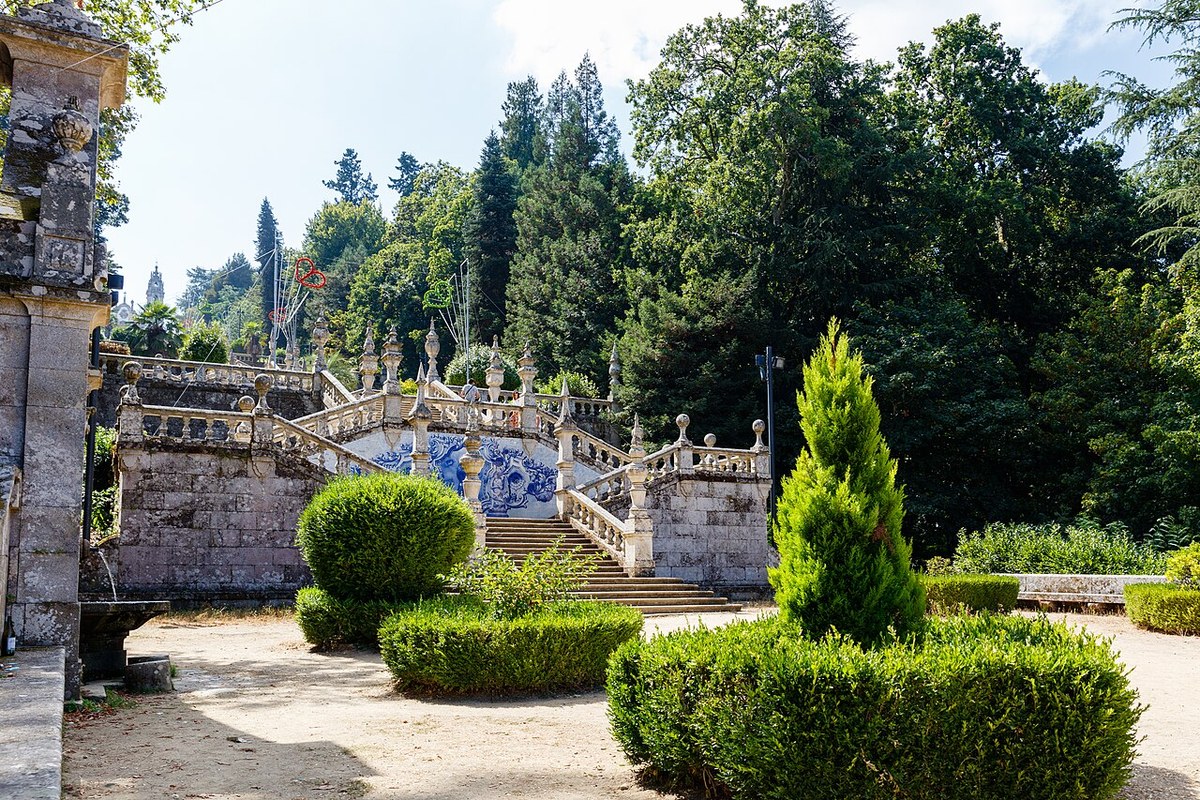
Rebuçados da Régua: the hand-folded sweet of the Douro pilgrimages
They smell of hot lemon and cooked sugar. At the foot of Lamego's baroque stairway, women still fold their sweets one…
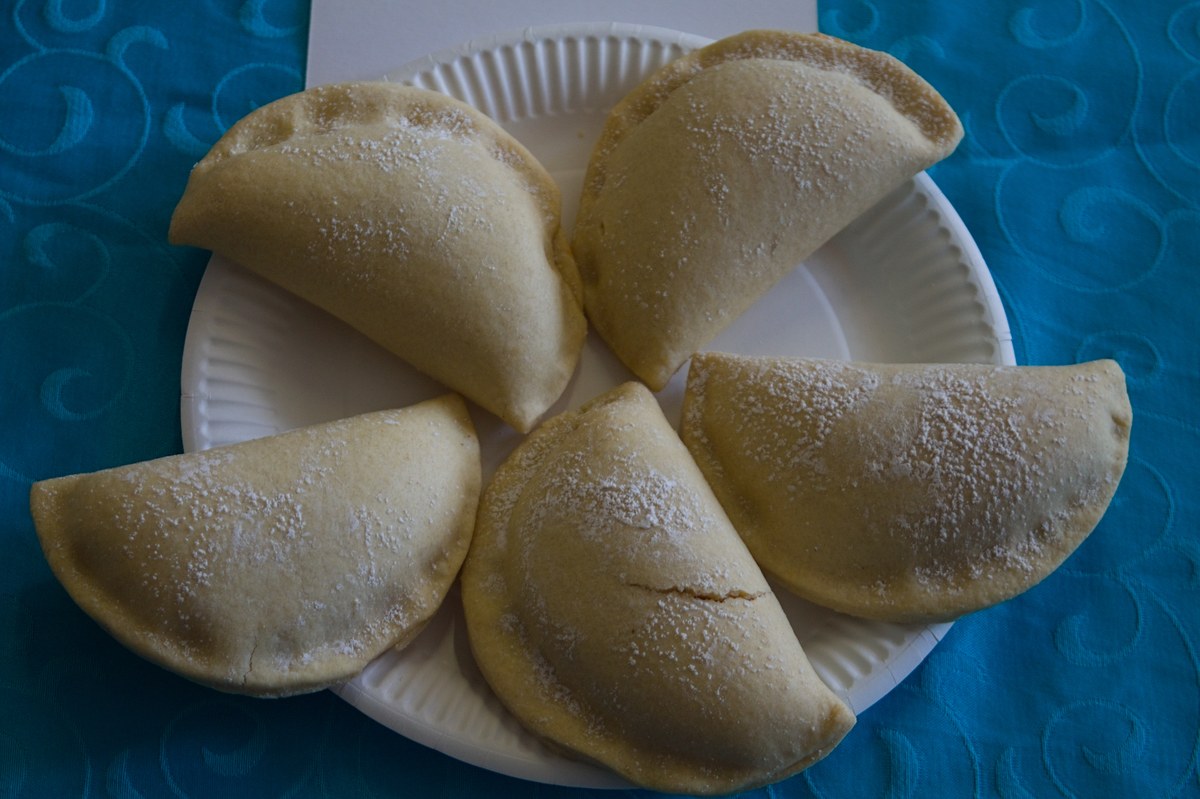
Pastéis de Santa Clara: the cake from a convent that drowned
In Coimbra the nuns spent three centuries raising their floors before leaving the convent to the river. The building…
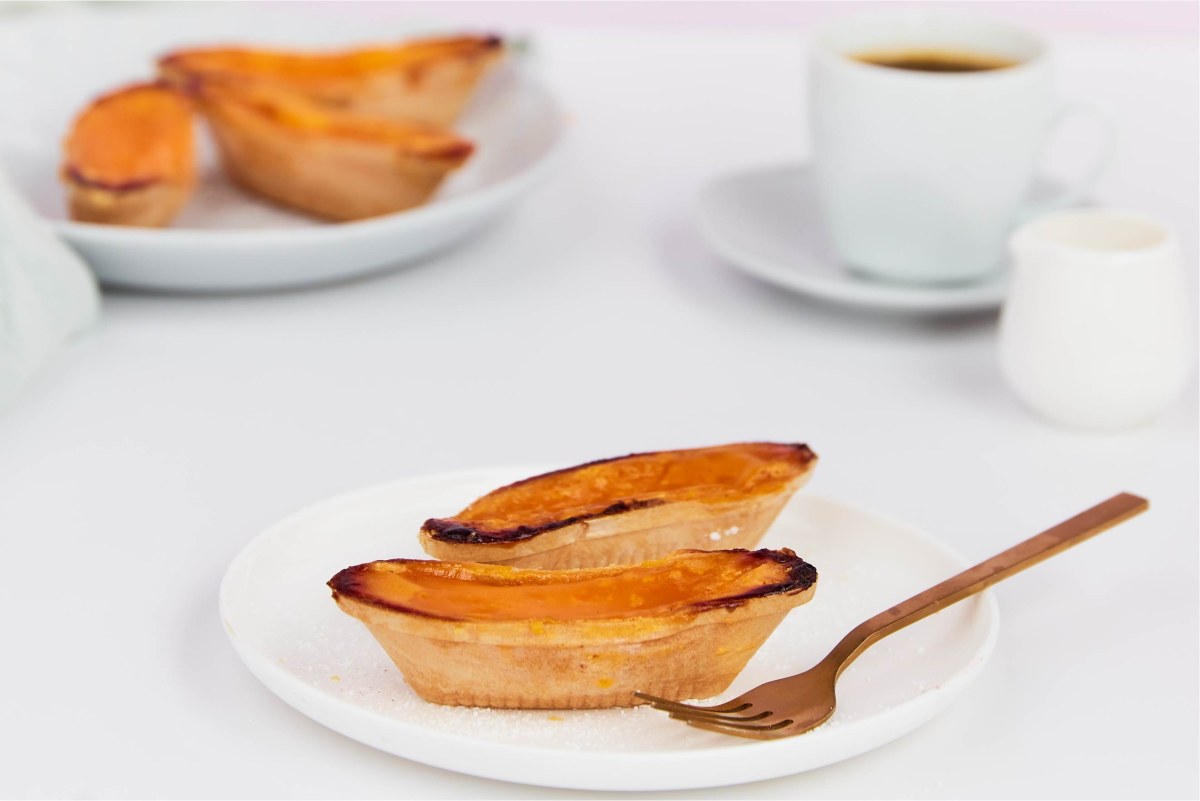
Why Portuguese pastry is so yellow: the wine took the whites
Crack an egg and separate it. In Portugal, for centuries, the white and the yolk went their separate ways: one to the…
O lanche: the Portuguese afternoon snack that borrowed an English name
Late in the afternoon, Portugal puts down whatever it is holding and sits for ten minutes. The moment carries a…
Find our artisan pastries in our Brussels stores or order online.
Order now Our foodtruck for your events Our stores